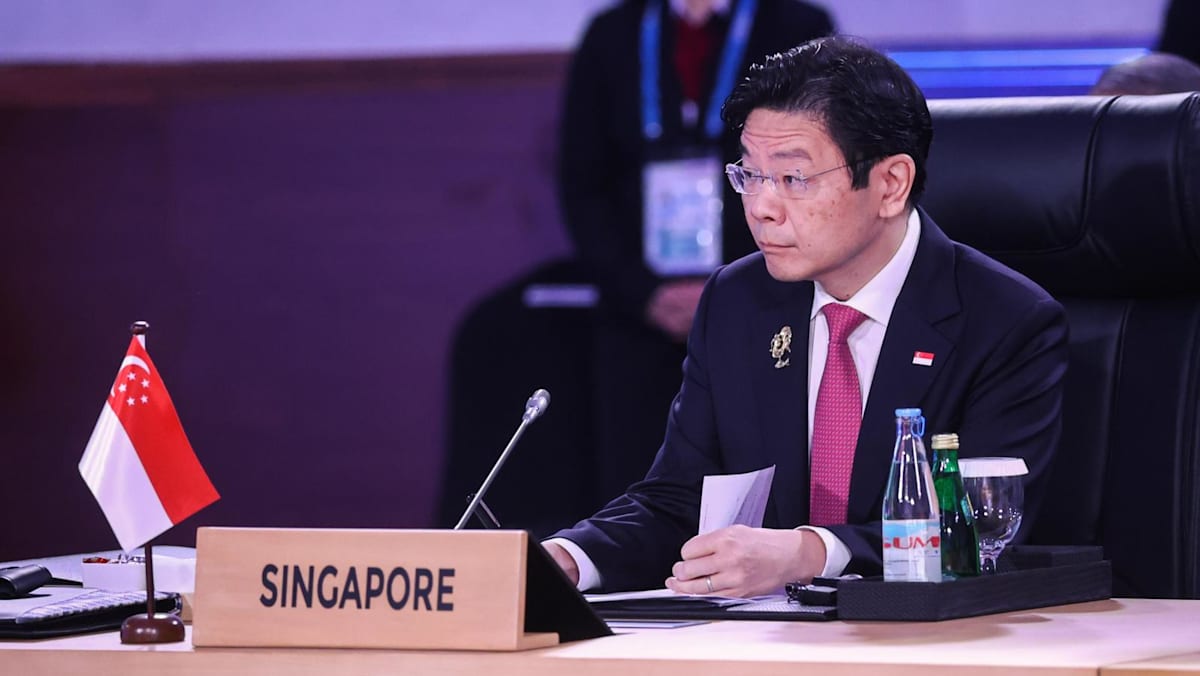
CEBU, Philippines: Allowing any party to weaponise and restrict transit through an international waterway like the Strait of Hormuz could set a dangerous precedent that threatens sea lanes closer to home, Singapore Prime Minister Lawrence Wong warned on Friday (May 8).
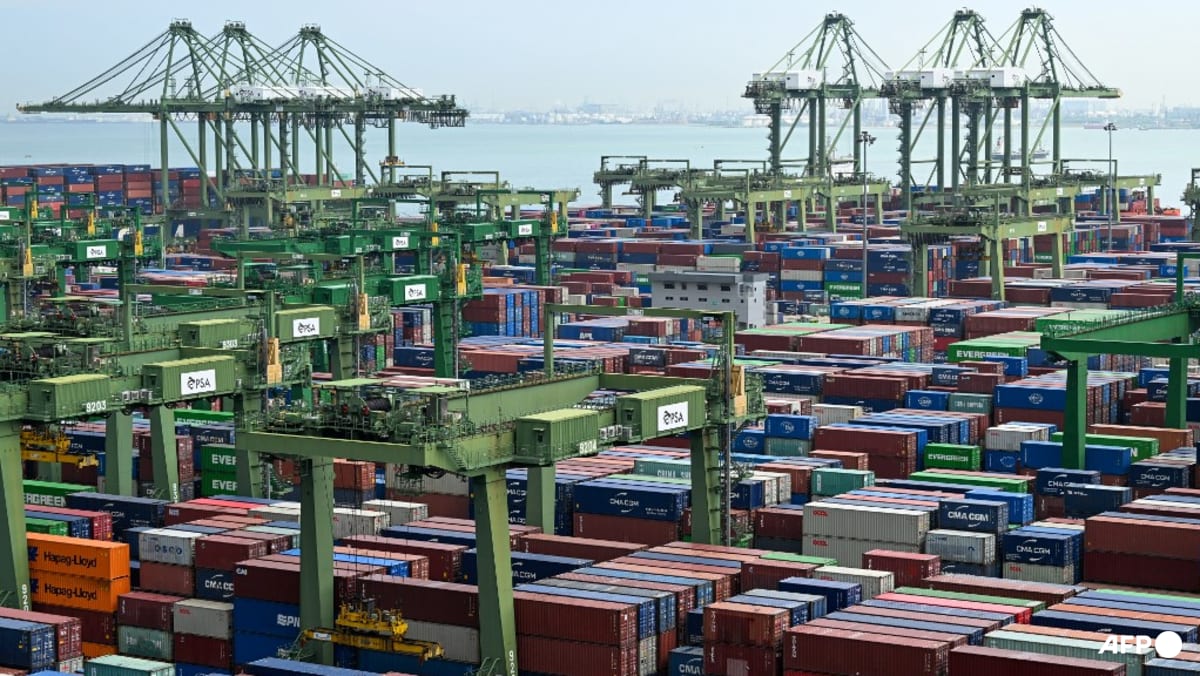
“We, too, have very critical waterways which could be disrupted. And if it is disrupted, this would have very severe implications for all of us, and for the rest of the world too,” said Mr Wong at the leaders’ retreat of the 48th Association of Southeast Asian Nations (ASEAN) summit.
That is why ASEAN must uphold the navigational rights and freedoms enshrined in the 1982 United Nations Convention on the Law of the Sea (UNCLOS), to which all member states are party, he said.
Those rights enable the steady flow of global trade across critical sea lanes, Mr Wong stressed.
“So it is in our collective interest to work together, and with others, to ensure that these critical sea lanes remain open, secure and accessible to all.”
As the conflict has shown, ASEAN does not exist in isolation, he said.
ASEAN must think creatively about how to work with external partners to enhance its resilience, he said, noting ASEAN’s Plus Three partners, referring to China, Japan and South Korea.
The region can also do more with countries like Australia and New Zealand, and engage with countries in the Gulf Cooperation Council and the European Union, he added.
“I think these are all potential trusted partners that we can work together with to uphold rules-based trade, to strengthen supply chains and even to embark on free trade agreement negotiations,” said Mr Wong.