This contributed article is written by Adrian Lim, Senior Director & Head, International Residential Sales, at Savills Singapore.
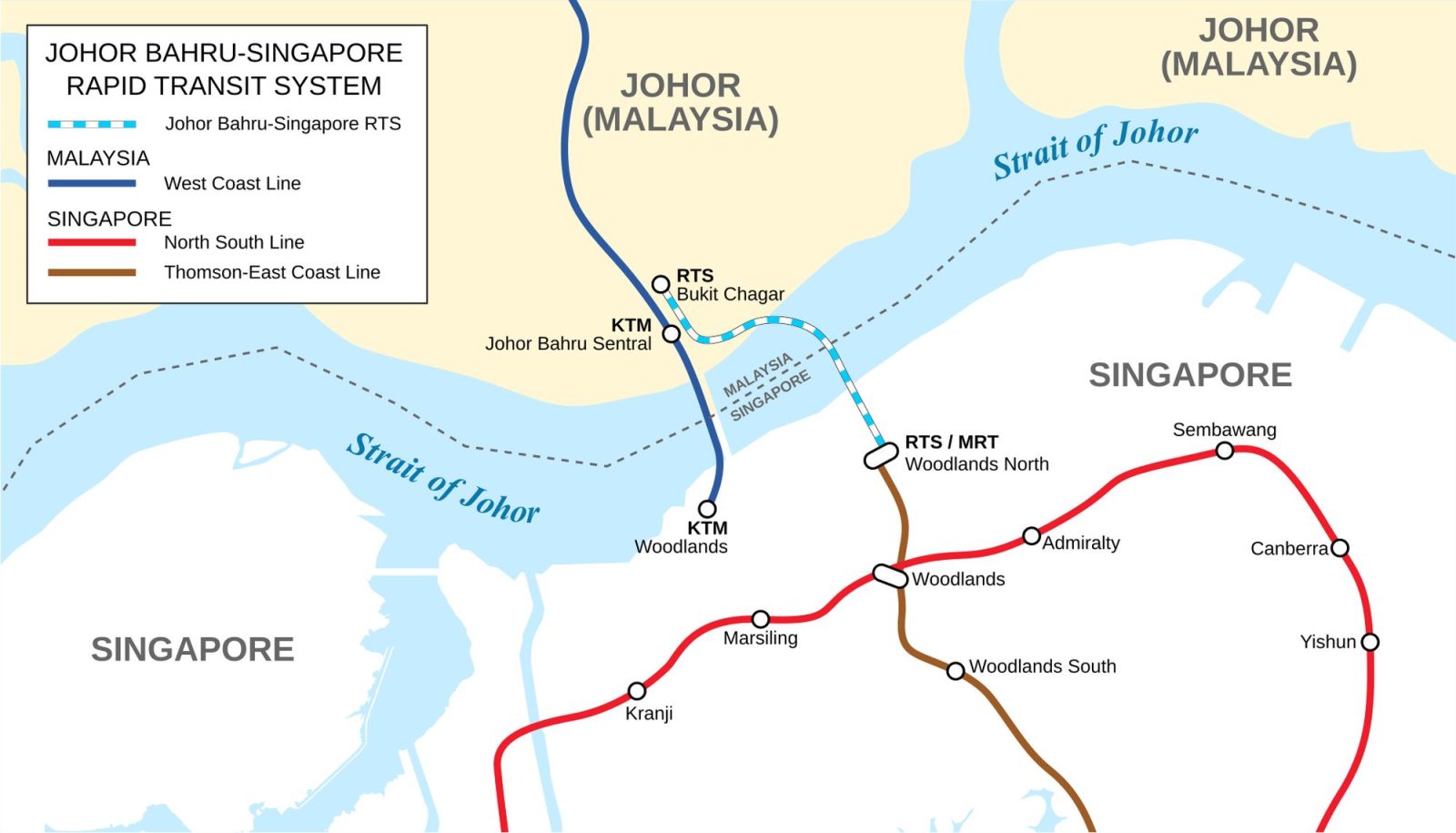
When the 4km stretch of the Johor Bahru-Singapore Rapid Transit System (RTS) from Woodlands North Station in Singapore to Bukit Chagar station in Johor Bahru is operational at the start of 2027, it will make commuting between this international border easier.
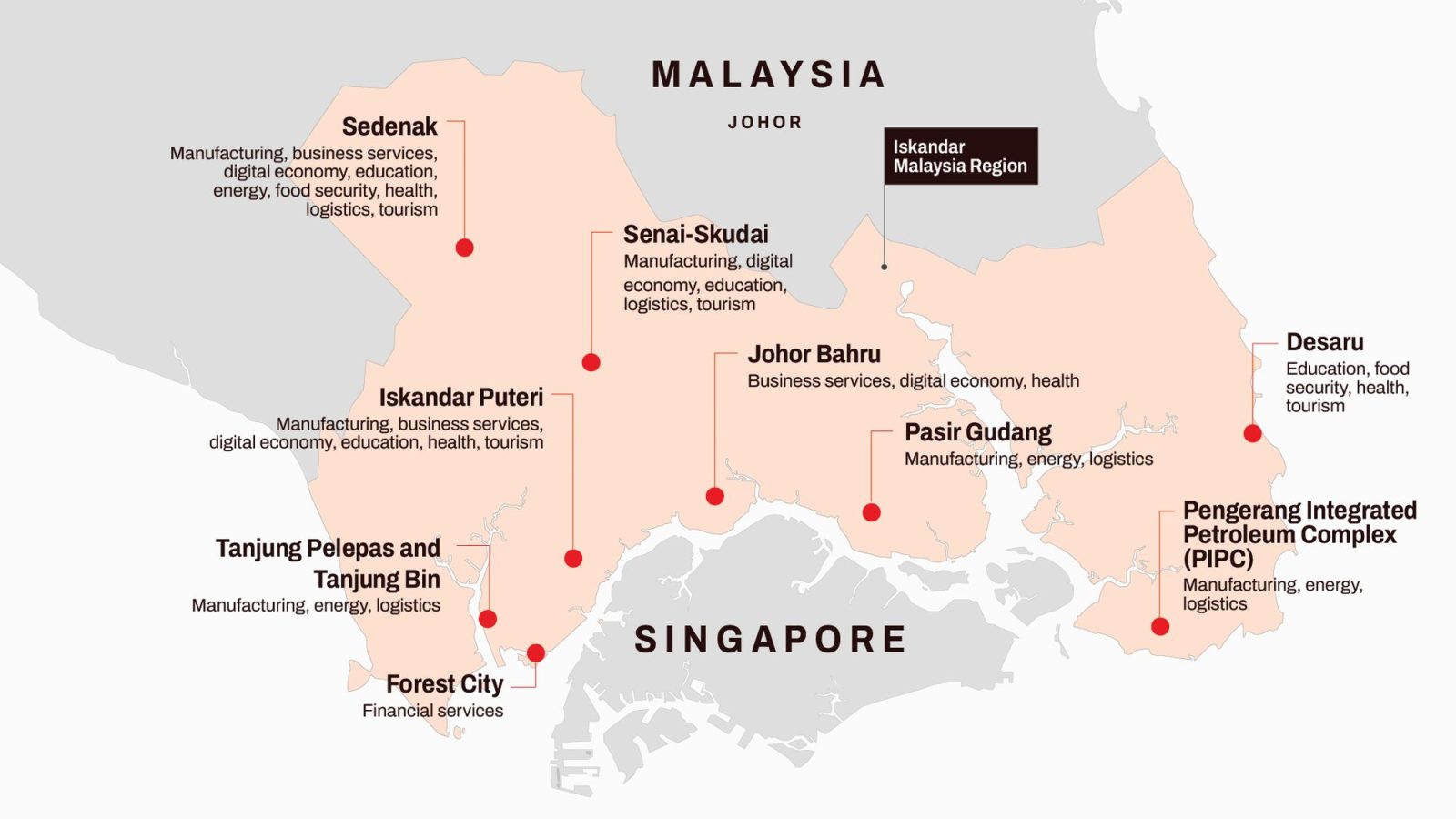
But the promise of a more seamless border crossing experience has fuelled a broader discussion about how Singaporeans are starting to treat Johor Bahru’s property market as part of their longer-term housing strategy.
For many Singaporeans, Johor Bahru has long been associated with weekend trips — a place for short visits rather than long-term living. But that perception is beginning to change.
As we draw closer to the completion of the RTS, which is set to be operational in January 2027, the conversation among some Singaporeans is no longer just about how quickly they’ll be able to cross the Causeway.
It has spurred long-term planning about how the proximity, reliability and predictability of this cross-border travel could reshape a part of their housing decisions. Increasingly, Johor Bahru is being considered as more than an occasional destination, but as a practical extension of daily life for some Singaporeans.
Overall, the significance of the RTS lies less in the speed of the trains, or the time taken to travel from Woodlands to Bukit Chagar. Instead, the most significant factor is the expected certainty and regularity that this upcoming transit system will offer.
With the cross-border trip expected to span about six-minutes, and will be integrated with Singapore’s MRT network, the RTS introduces a level of commuting predictability that has historically been missing for those who frequently travel between the two cities.
For families and professionals, reliability matters as much as travel time. The ability to plan a routine — whether for work, school or medical appointments — is what turns a distant location into a viable living option.
The Real Shift: Housing Behaviour, Not Just Infrastructure
The promise of the RTS has started to inspire a gradual change in mindset among some Singaporeans.
Some buyers are exploring Johor Bahru as a second residence while maintaining their primary home in Singapore. Others are considering it as a longer-term retirement base or a way to secure more space for their families.
In these cases, the decision is rarely driven by speculation. It is driven by practicality — affordability, lifestyle flexibility and the ability to adapt to changing family needs.