Work pressures, fear of burdening family and uncertainty over treatment decisions are among the key reasons many postpone seeking care, according to a 2025 Prudential-commissioned study
IN her forties, Mandeline Yap ticked all the boxes on healthy living.
The engineer maintained a nutritious diet, exercised regularly and helped others in their fitness journey with her side hustle of organising Zumba events. She also did not have a family history of cancer.
But early last year, when she kept waking up at night to use the bathroom, she brushed it off as a urinary tract infection. Yet after taking medication prescribed by her general practitioner (GP), she did not feel better and developed a fever three days later.
The mother of two was suspected to have a bacterial infection and was warded for five days at a public hospital. Subsequent reviews and tests over the next few months revealed a large tumour in her rectum, which was confirmed to be cancerous.
“I was completely shocked when I heard the news. I felt very sad and kept asking myself, ‘Why me?’”
Recalls Yap: “I was sad, but my immediate thought was that I needed to act fast and solve the problem. The first thing I did was call Melvin to get his advice.”
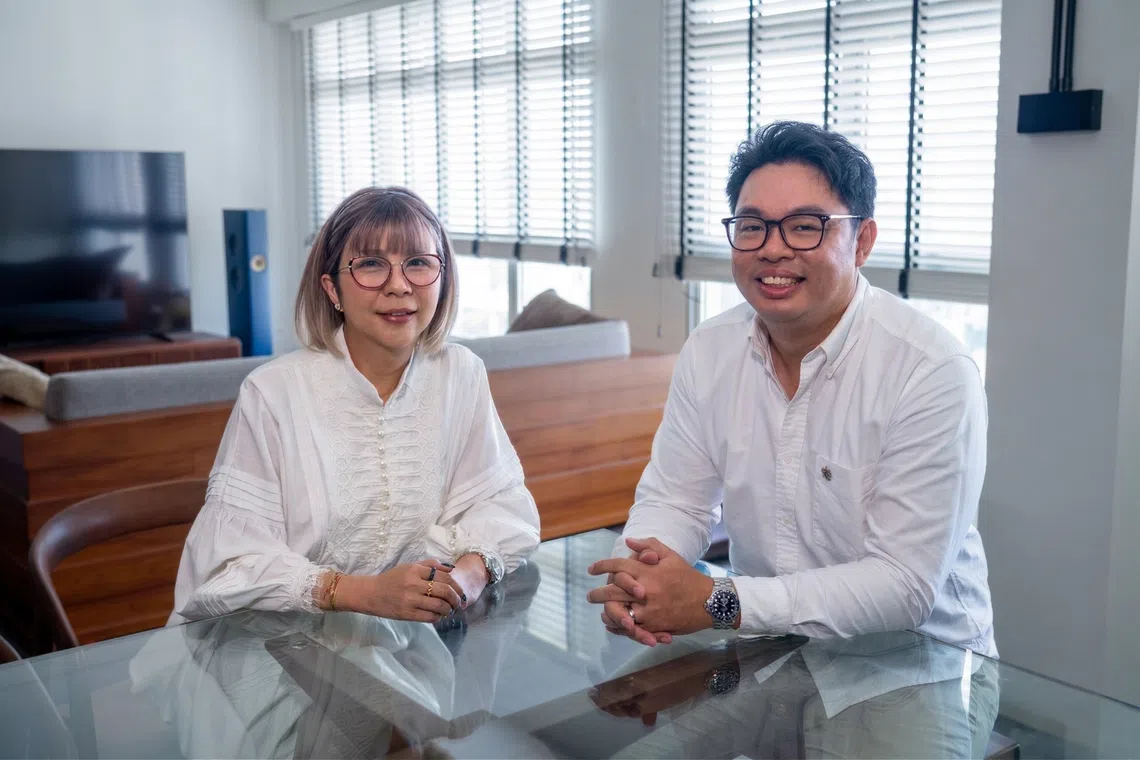
She was referring to Melvin Mah, her Prudential financial representative of over 10 years, to seek his advice on the coverage from her PRUShield and PRUExtra policies.
PRUShield is an Integrated Shield Plan that complements MediShield Life, while PruExtra is a supplementary plan that enhances PRUShield to offer customers greater healthcare coverage.
Why 8 in 10 Singapore adults delay medical care
Yap sought treatment promptly, but a survey suggests most Singapore adults put off medical care. According to a Prudential-commissioned Patient Voices Singapore: Towards More Informed and Seamless Care report in 2025 which surveyed 1,024 adults in Singapore, eight in 10 respondents had delayed medical care to avoid burdening their families and missing work.
This is despite the access to a wide range of healthcare providers in Singapore, from publicly run polyclinics and private clinics to public and private hospitals. There are also public schemes like MediSave and MediShield Life, alongside private insurance and government subsidies to finance healthcare.
Reasons for delaying healthcare included feeling a sense of duty to work over self-care, concern about being a burden to family (financial or care needs), cost of healthcare, underplaying their symptoms or having had bad healthcare experiences in the past.
Sixty-one per cent of the respondents also felt they did not have the right information to make a decision on treatment and 60 per cent of them said they did not know where to seek help during a medical emergency.
Dr Sidharth Kachroo, chief health officer at Prudential Singapore, says this can escalate minor health conditions into larger health and financial burdens later.