SINGAPORE – One year on from GE2025, the PAP is grappling with the biggest energy shock in decades.
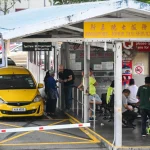
Singaporeans are starting to feel higher prices brought on by the conflict in the Middle East, and by the Government’s own account, the worst is yet to come. It has already rolled out a support package in April totalling close to $1 billion to cushion the impact, and promised more help if needed.
Before the crisis hit, the PAP had begun its new term in government with moves to address fundamental issues across the system. These included promises to restructure the economy to continue delivering good jobs, and to deal with sticky social policy issues in areas like education.
While these were key election promises during the hustings, the bandwidth to tackle these longer-term issues could be taken up by navigating the crisis. Managing the fallout from the conflict may be the top political priority – in no small part because having a full team to combat such an eventuality from global volatility was a key plank of the PAP’s 2025 campaign.
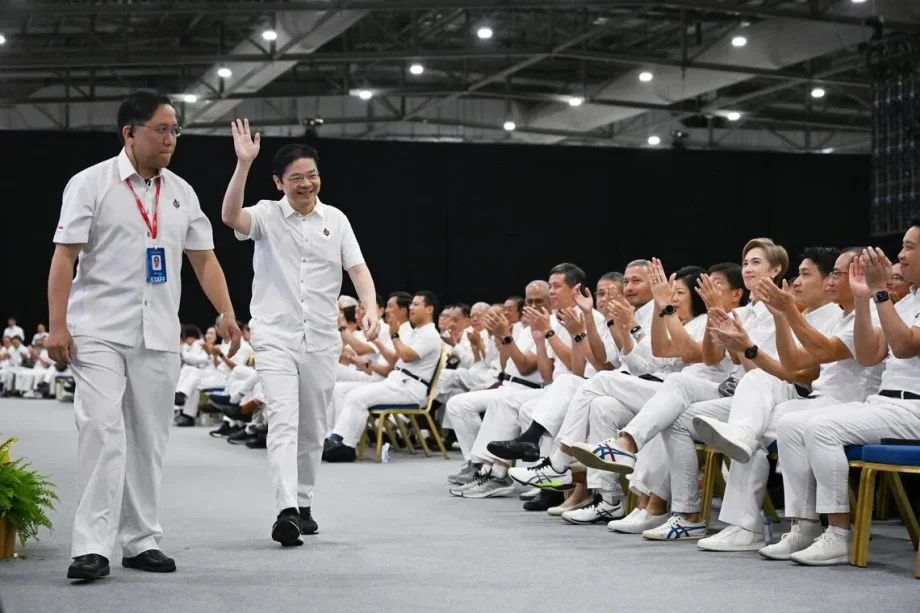
At the Fullerton rally midway into the 2025 hustings, Prime Minister Lawrence Wong appealed to voters that losing constituencies would impact not just the seats in Parliament but also weaken the PAP’s mandate and its frontbench amid increasing global instability in the wake of unilateral US tariffs.
“The storm will be here for some time, because the world has changed,” he said then. “For how long? We don’t know. But one thing is certain, this storm will test us, and if we are not careful, we could lose everything that we have worked so hard to build here in Singapore.”
Much of this rhetoric also centred on keeping Deputy Prime Minister Gan Kim Yong, who moved from Chua Chu Kang GRC to face a strong contest from the Workers’ Party in the new Punggol GRC.
PM Wong was returned with his full team at the polls on May 3, 2025, and subsequently brought new blood into the Cabinet, such as Acting Transport Minister Jeffrey Siow, who announced the April support package in Parliament.
The test has arrived, and voters will likely expect the PAP government to steer the country through the crisis before looking at more long-term issues. Said former ruling party MP Inderjit Singh: “With the turmoil in the world, I feel that the public is looking to the Government keeping their lives stable and comfortable.”
PM Wong’s list of longer-term plans reaches across all areas of society. On the agenda is a comprehensive review of Singapore’s economy, a national artificial intelligence push announced at Budget 2026 in February and reforms to the education system to reduce the stakes of single exams and broaden the definition of success.
Labour and employment tweaks have also been made. The Government passed the second part of the Workplace Fairness Act in November 2025 and started a review of the Employment Act in August 2025, with recommendations expected in the second half of 2026.
The party has also moved on thorny political issues early in the term, after receiving a strong mandate at the polls with 65.57 per cent of the national vote.
It announced that a review of political salaries – a longstanding hot button issue – is back on after being deferred in 2023 due to what the Government called “other pressing issues”, including economic uncertainty.