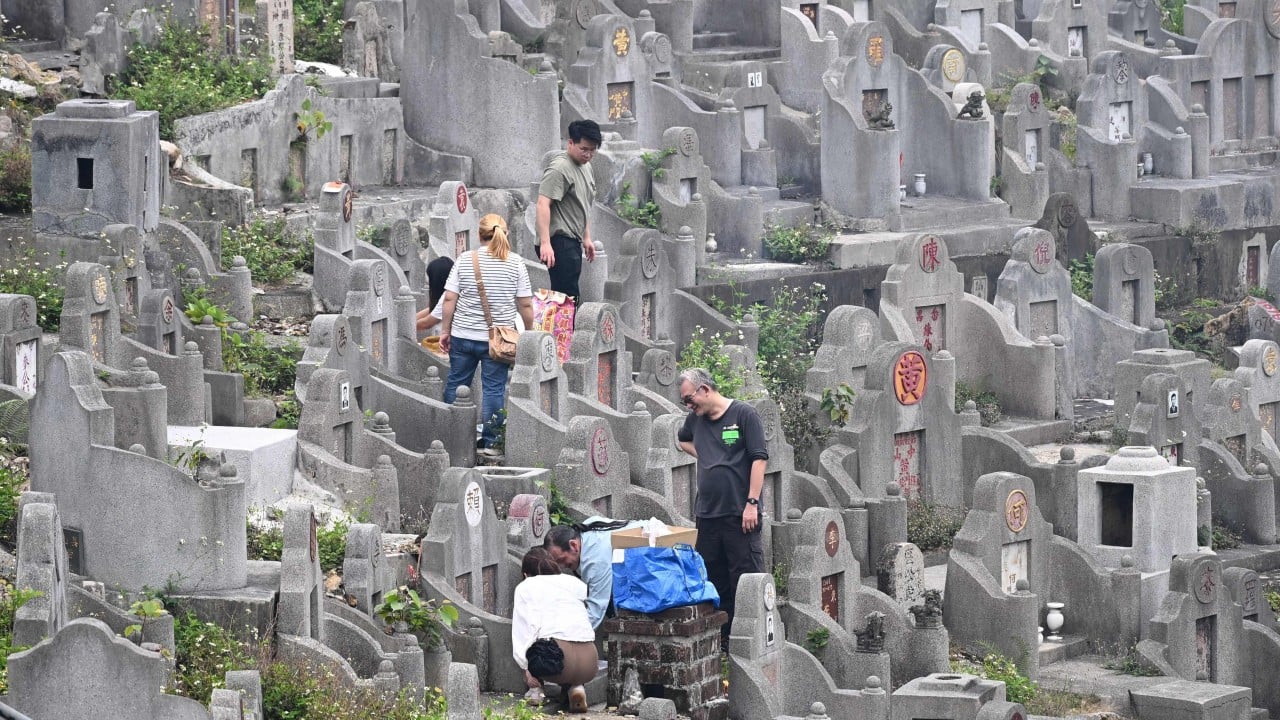
And yet, in the past few years, I have witnessed a subtle but meaningful shift in how this tradition is being observed, especially among young people.


And yet, in the past few years, I have witnessed a subtle but meaningful shift in how this tradition is being observed, especially among young people.
It began almost accidentally, while scrolling through social media during the festival. Instead of the usual images of family grave visits, I started seeing posts from young people travelling – sometimes across provinces – to places tied not to their own ancestors but to figures from history. Ancient tombs, cultural relic sites and memorials to long-departed poets, generals and thinkers became unexpected destinations for this traditionally familial ritual.
What struck me most was the way these visits were being carried out. They were not cold, distant acts of historical tourism. On the contrary, they were deeply personal and often surprisingly warm.
In a corner of Hong Kong’s Tsuen Wan Market, a bustling indoor market where the floor is permanently damp and the air smells of wet…
Visual artist Nadim Abbas and Chan Wai-lok, a choreographer and dancer, are keeping their cards close to their chests about their coming performance. “We don’t…
Recently, Steve Carell had a misunderstanding with his adult daughter over whether to give her a ride home. While both preferred she take an Uber,…
Seeing is believing, right? Well … perhaps not. In the early 1700s, the philosopher Bishop Berkeley pointed out that we never experience the outside world…
Growing up in the suburbs of Glasgow as one of only two Chinese children in her primary school, Eliza Chan rarely questioned her identity. Although…