This is when employees show up to work, but internally struggle with pressure, uncertainty
[SINGAPORE] More than 80 per cent of employers in Singapore said employee disengagement is affecting their companies – with more than 30 per cent of workers “quiet cracking” frequently, a survey by recruitment agency Robert Walters released last week found.
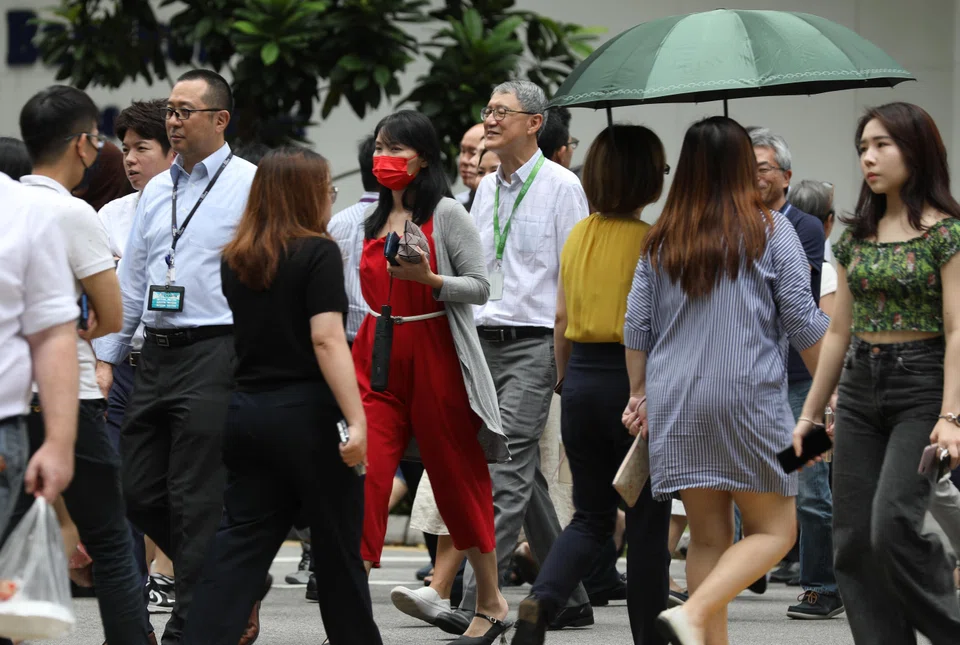
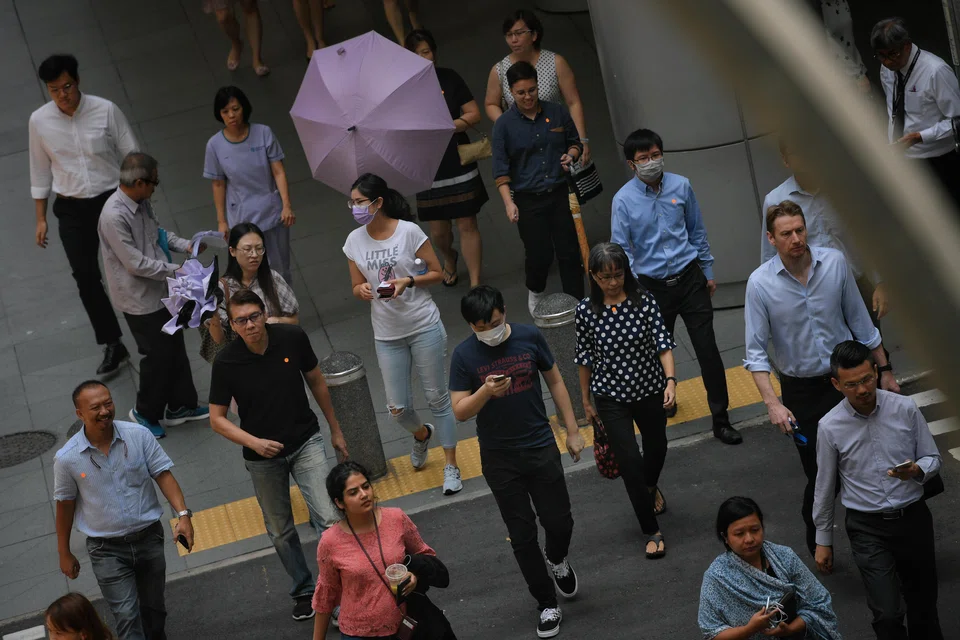
Quiet cracking is when employees show up to work, but internally struggle under the weight of pressure, job uncertainty and stalled professional growth. It differs from “quiet quitting”, which is when workers choose to do the bare minimum at work.
The poll was conducted on LinkedIn across around 90 organisations in Singapore. It also found that 65 per cent of working professionals in the city-state experience quiet cracking occasionally.
This was a mark higher than the 30 per cent of employees globally who feel the same way, based on the wider Talent Trends 2026 report by Robert Walters.
The act of quiet cracking can lead to a “slow, silent decline in well-being and performance”, and is often triggered by poor leadership, unclear expectations, unmanageable workloads and a fear of job loss, said the report.
Such employee experiences could lead to an “engagement recession” in 2026, noted the report. This happens when the individual experience of quiet cracking accumulates across teams and departments, and influences productivity levels and the culture of a company negatively.
Navigate Asia in
a new global order
Get the insights delivered to your inbox.
For instance, one in five employees said they would feel less motivated if a colleague was disengaged, a separate Robert Walters survey in 2025 showed.
A productivity drain in the last 12 months connected to individual disengagement has also been observed by nearly 80 per cent of managers.
This comes on the back of global engagement levels declining from 23 per cent in 2024, to 21 per cent a year later, contributing to around US$438 billion in lost productivity, based on a Gallup survey in 2025.