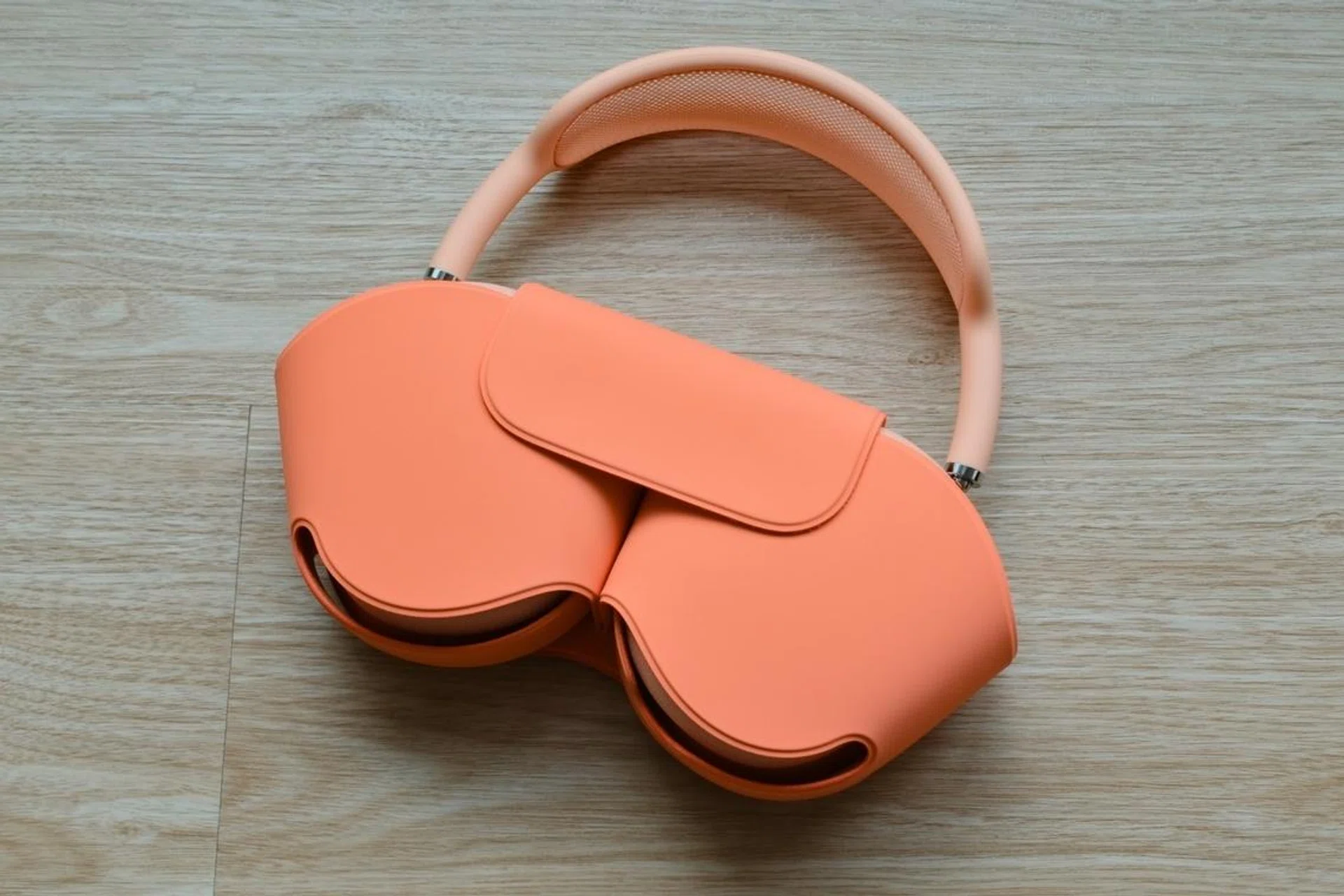
It has taken Apple a little over 5 years, but we finally have a successor to the AirPods Max. It’s called the AirPods Max 2. And when you lay eyes on it for the first time, you’ll probably wonder what exactly is new because it looks exactly like the model it replaces.
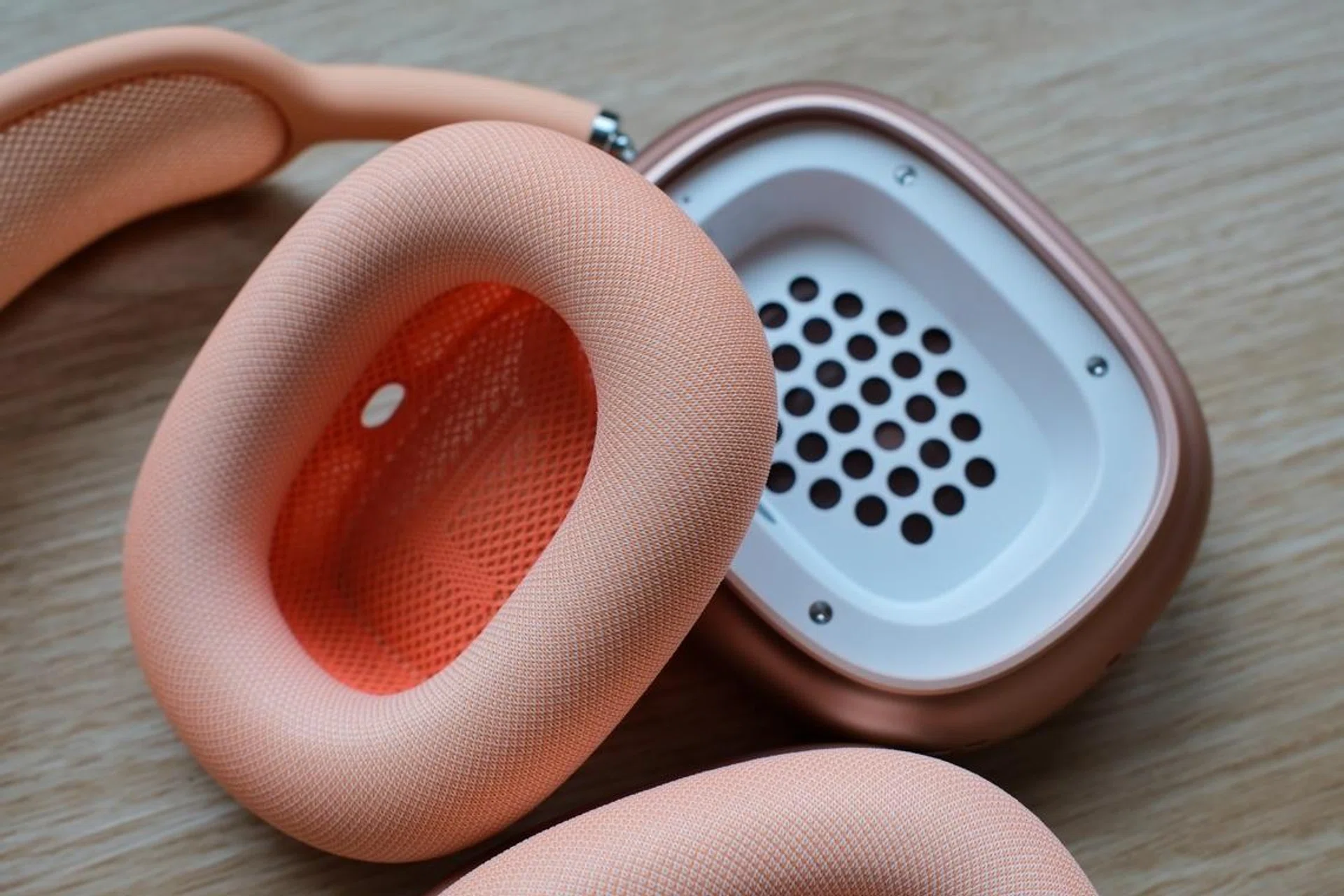
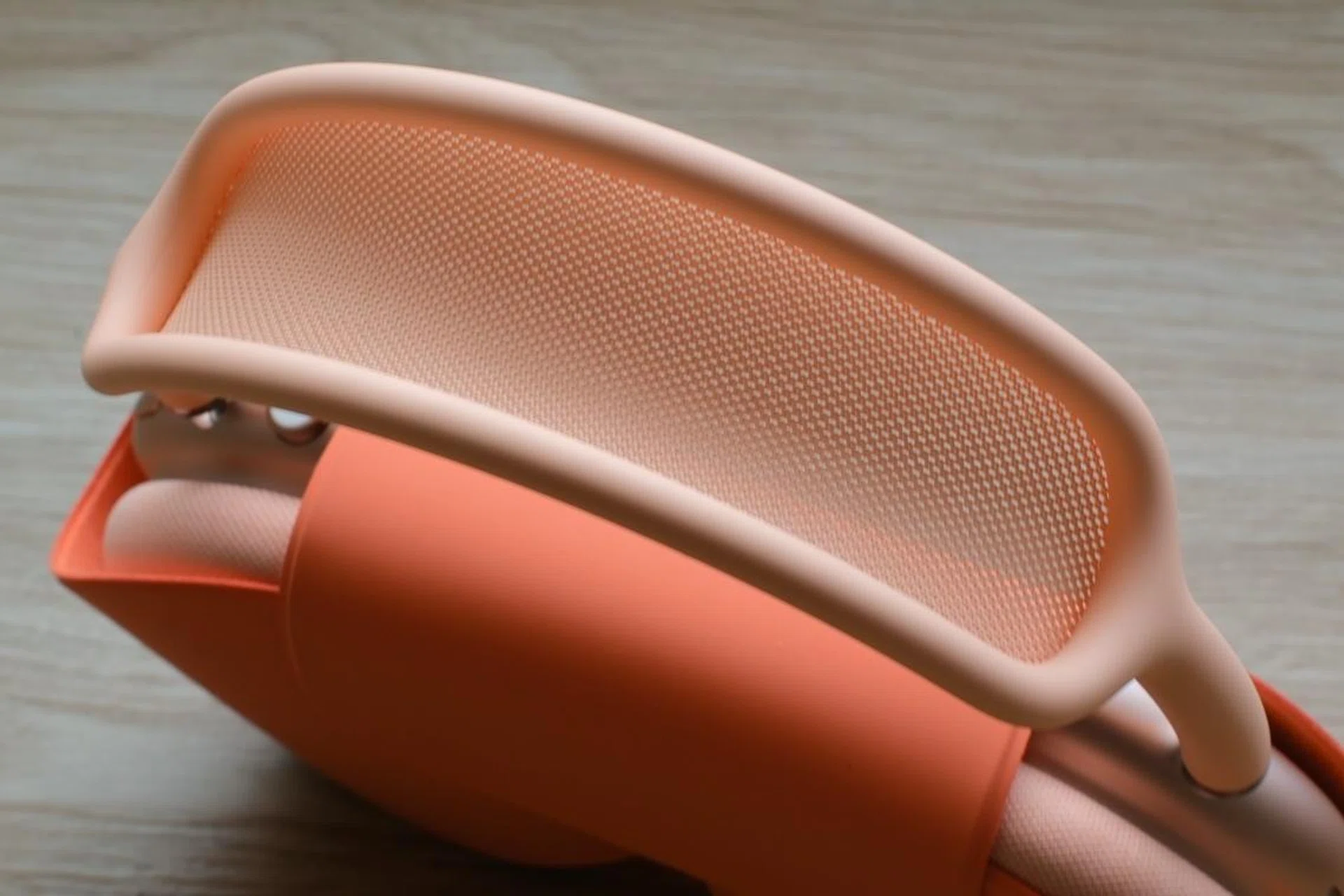
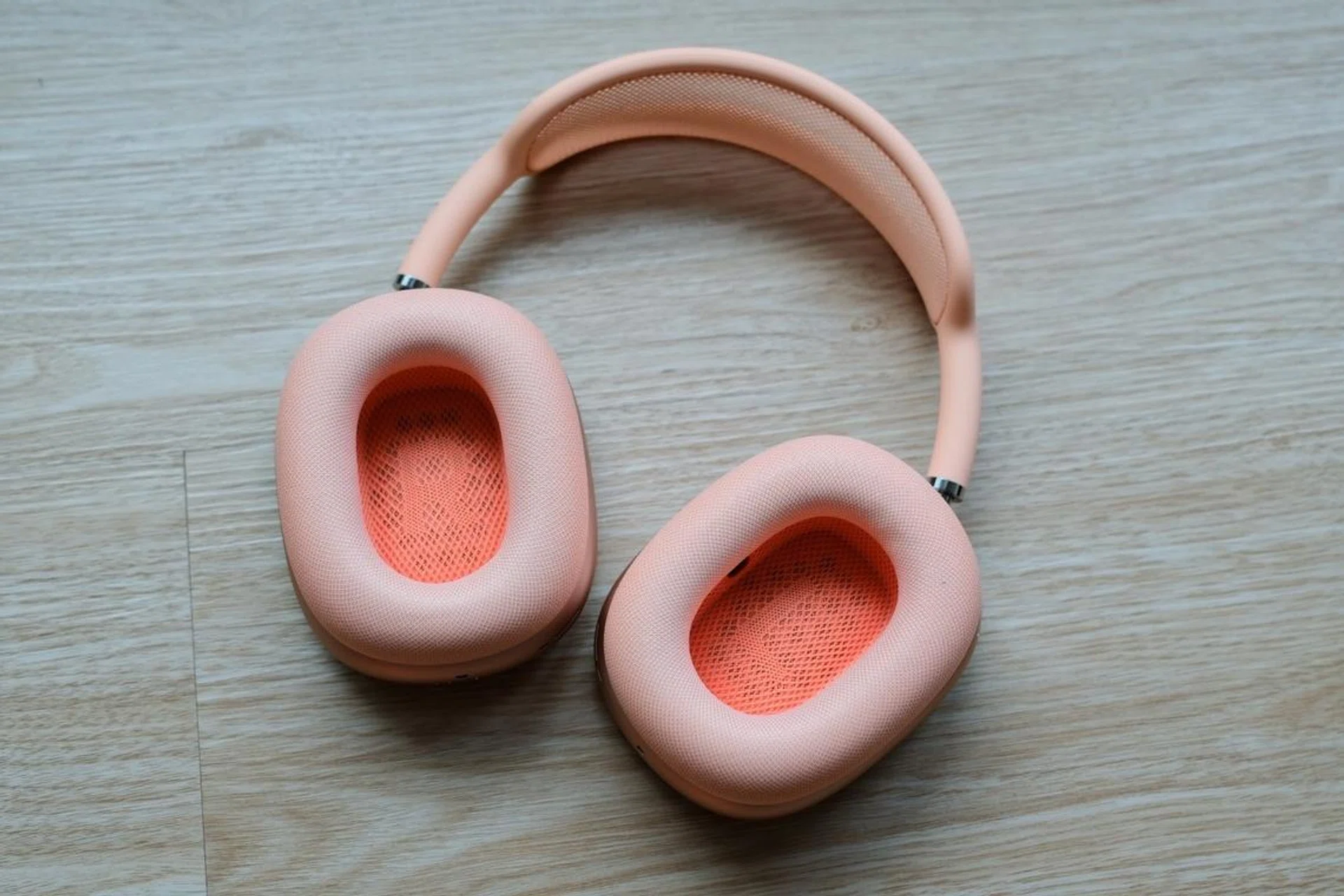
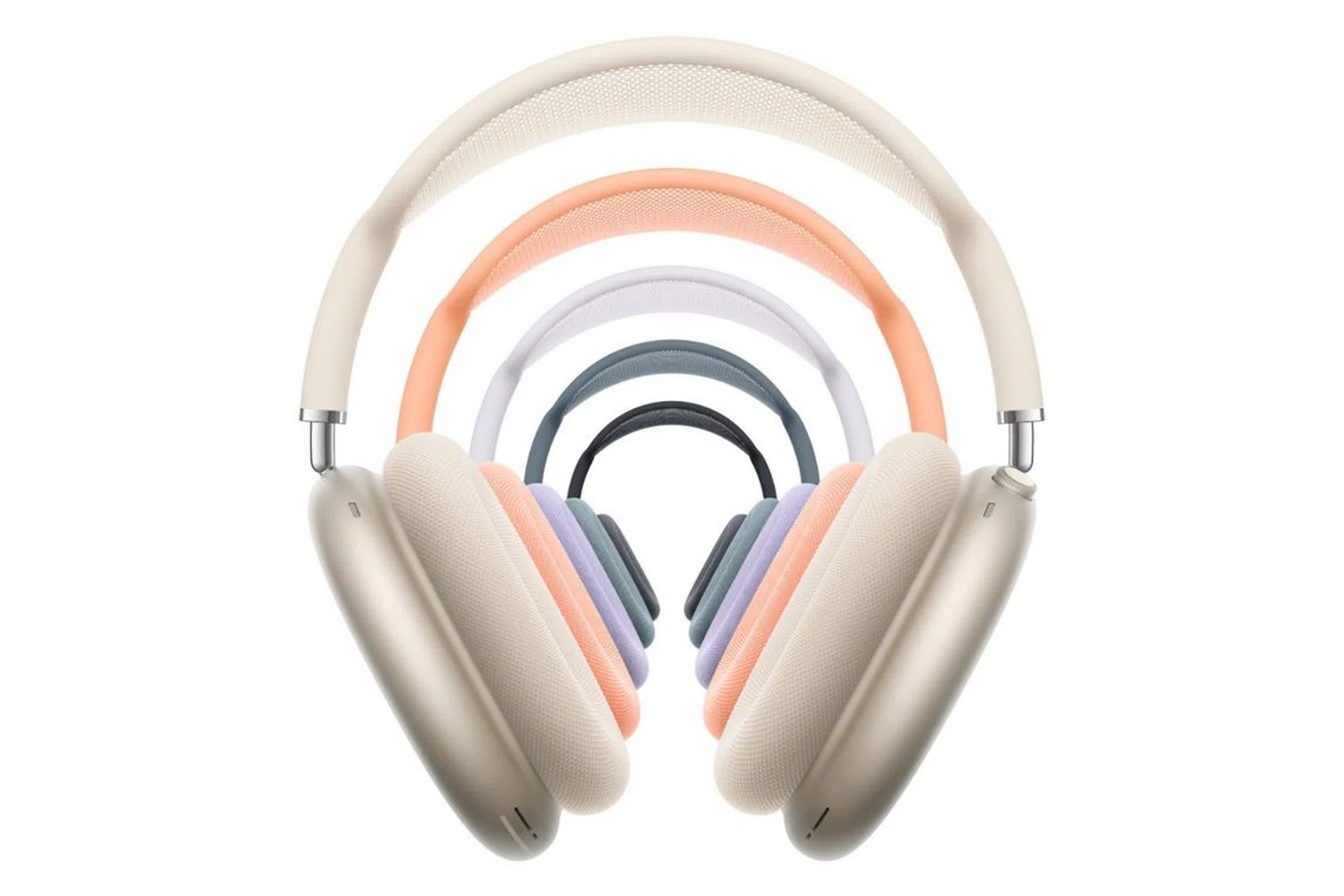
The earcups retain their distinctive pebble-like shape, and the headband is that odd-looking, yet strangely effective, thing that Apple calls a “knit mesh canopy”. The locations of the digital crown and listening mode button are unchanged, there’s still no power button, and the earpads are still made of fabric and magnetically detachable for easy replacement. The changes, as it turns out, are under the proverbial hood. Apple has had numerous spec-bump MacBooks and iPads; now it’s presenting us with spec-bump headphones.
What’s new?
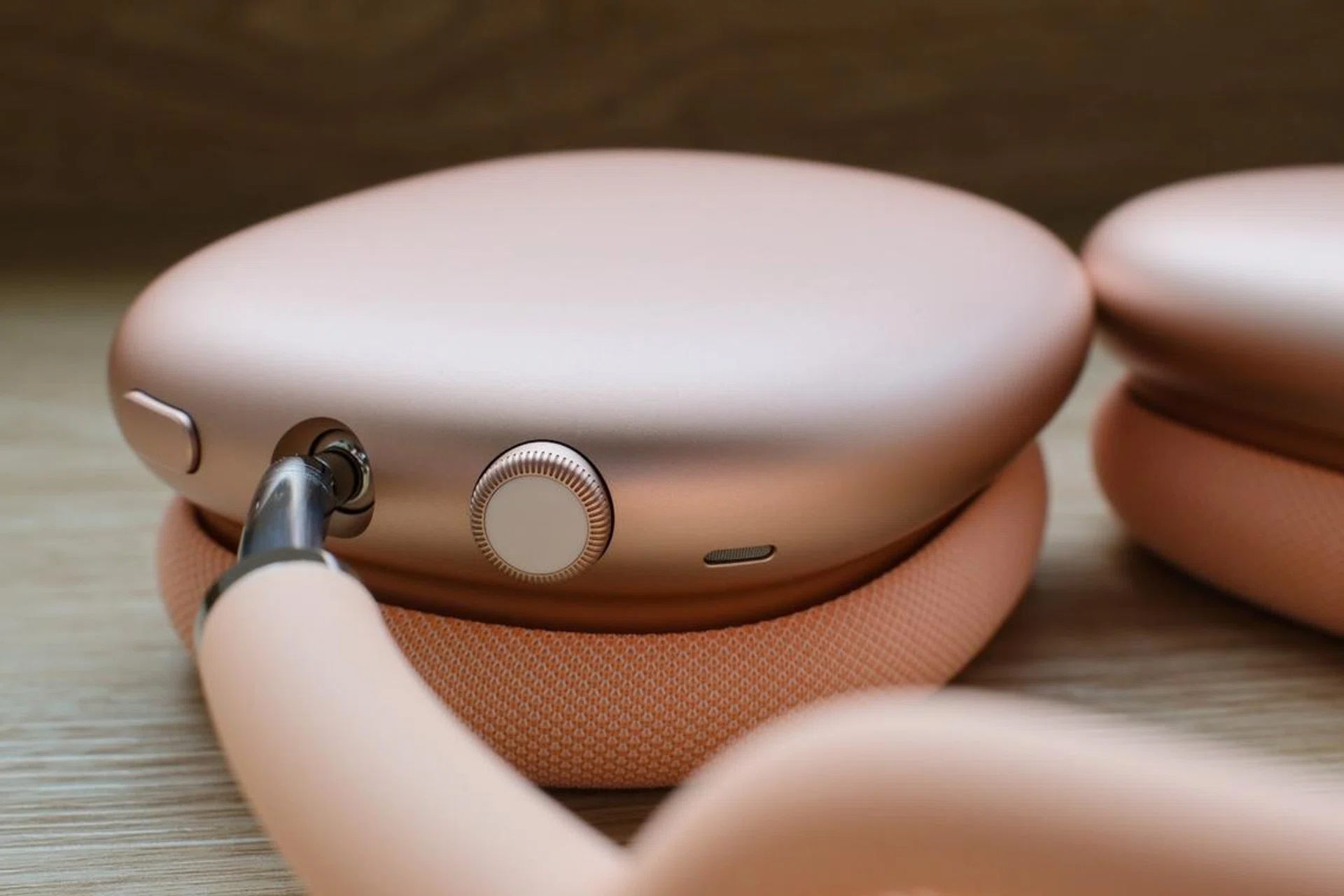
The positions of the digital crown and listening mode button are unchanged.
Photo: Apple
The biggest update in the AirPods Max 2 is one that you can’t see: it’s the H2 chip. If this chip sounds familiar, it’s because Apple has been using it in various versions of the AirPods since 2022. It’s anyone’s guess as to why it took Apple this long to put it in the AirPods Max, but it is here, and it gives the AirPods Max some nifty new features (most of which are already available with the AirPods Pro 3).
I’ll touch on these features later, but arguably the most significant improvement that the H2 chip brings to the AirPods Max 2 is better active noise cancellation. According to Apple, it features an all-new active noise cancellation algorithm and can cancel up to 1.5 times more noise than the first-generation AirPods Max. Such claims are hard to quantify, but listening to them back-to-back, I can confirm the AirPods Max 2 is better at nullifying unwanted noises around you. Even though my fan was blowing at me at full power from just a metre away, all I could hear was a faint hum.
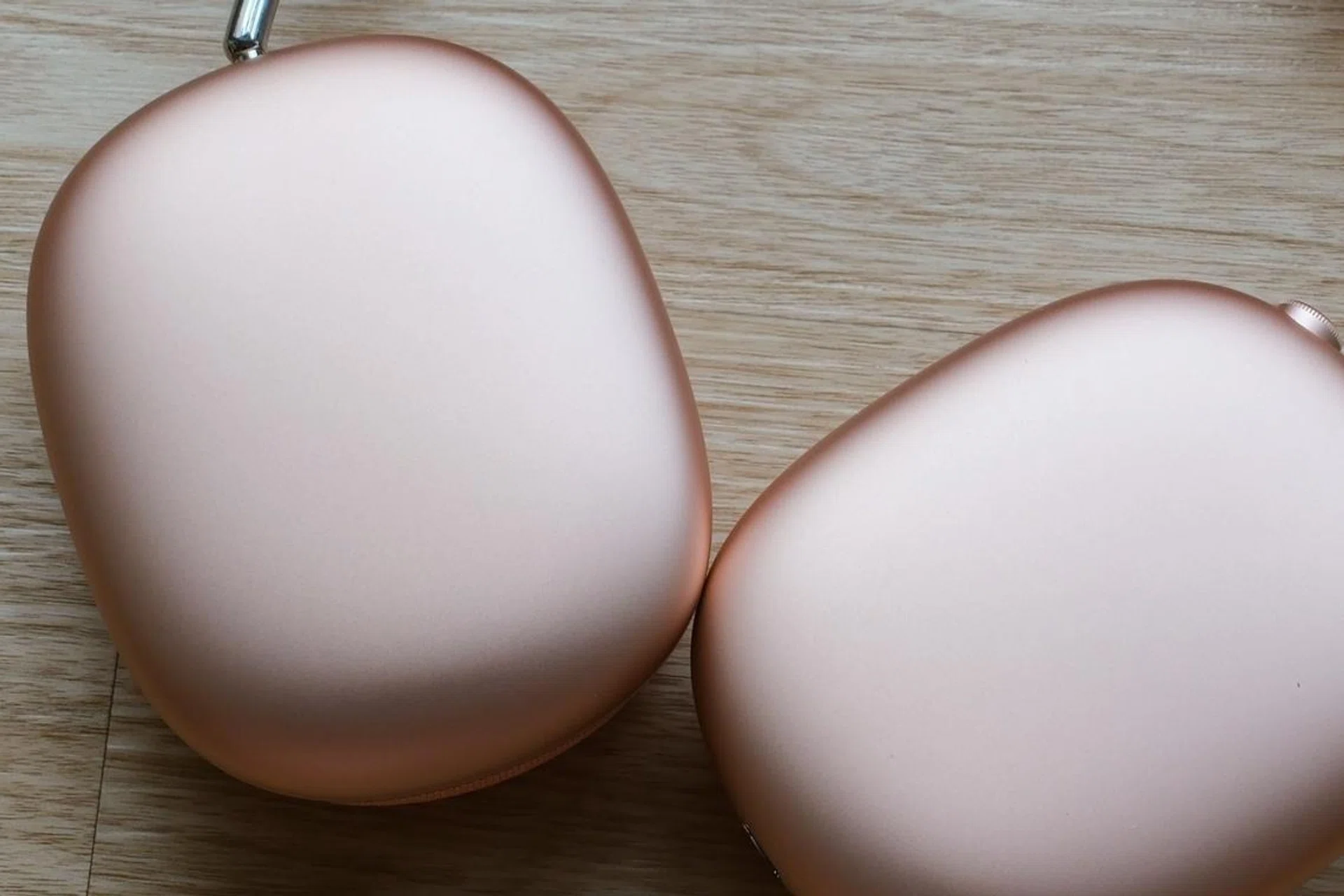
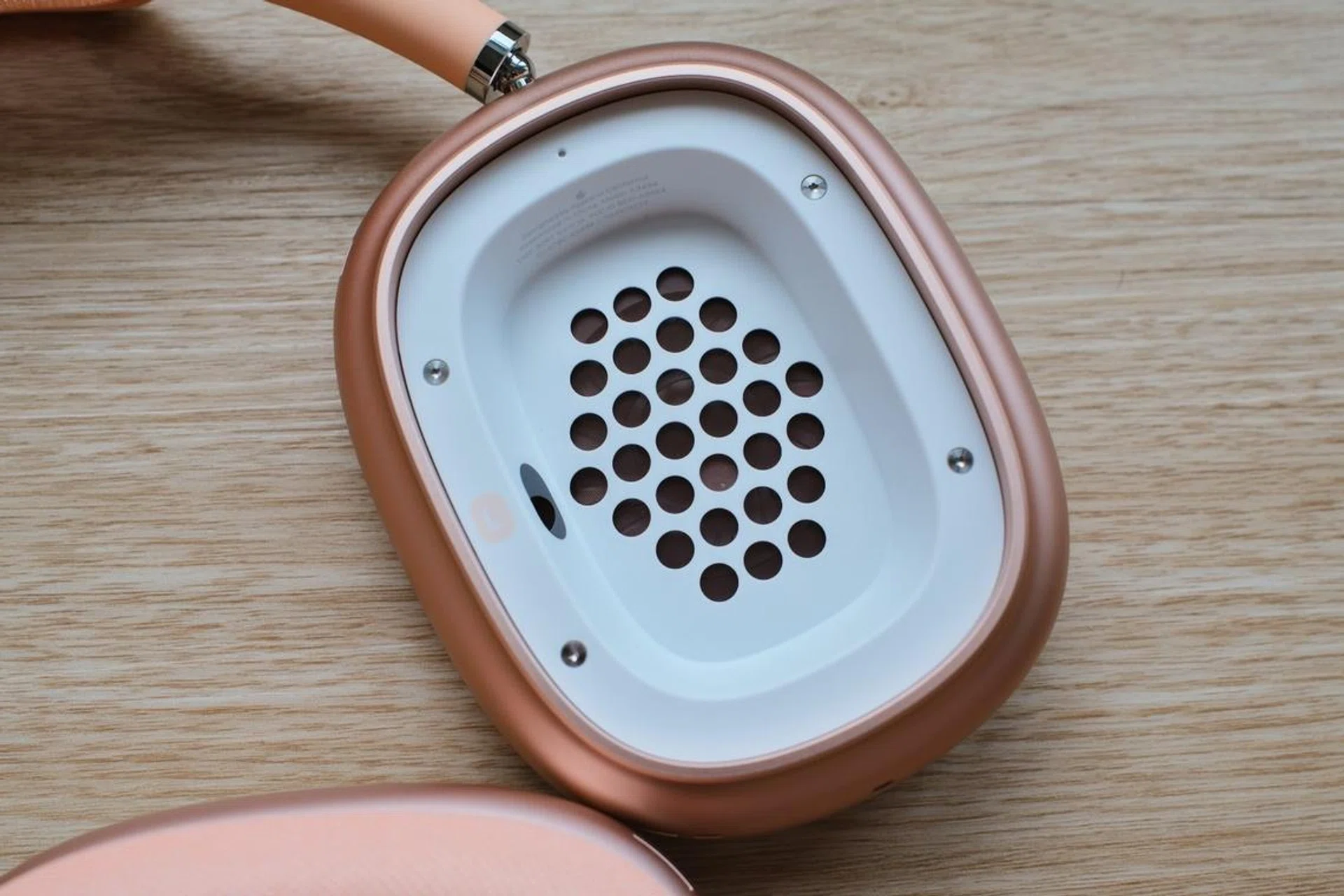
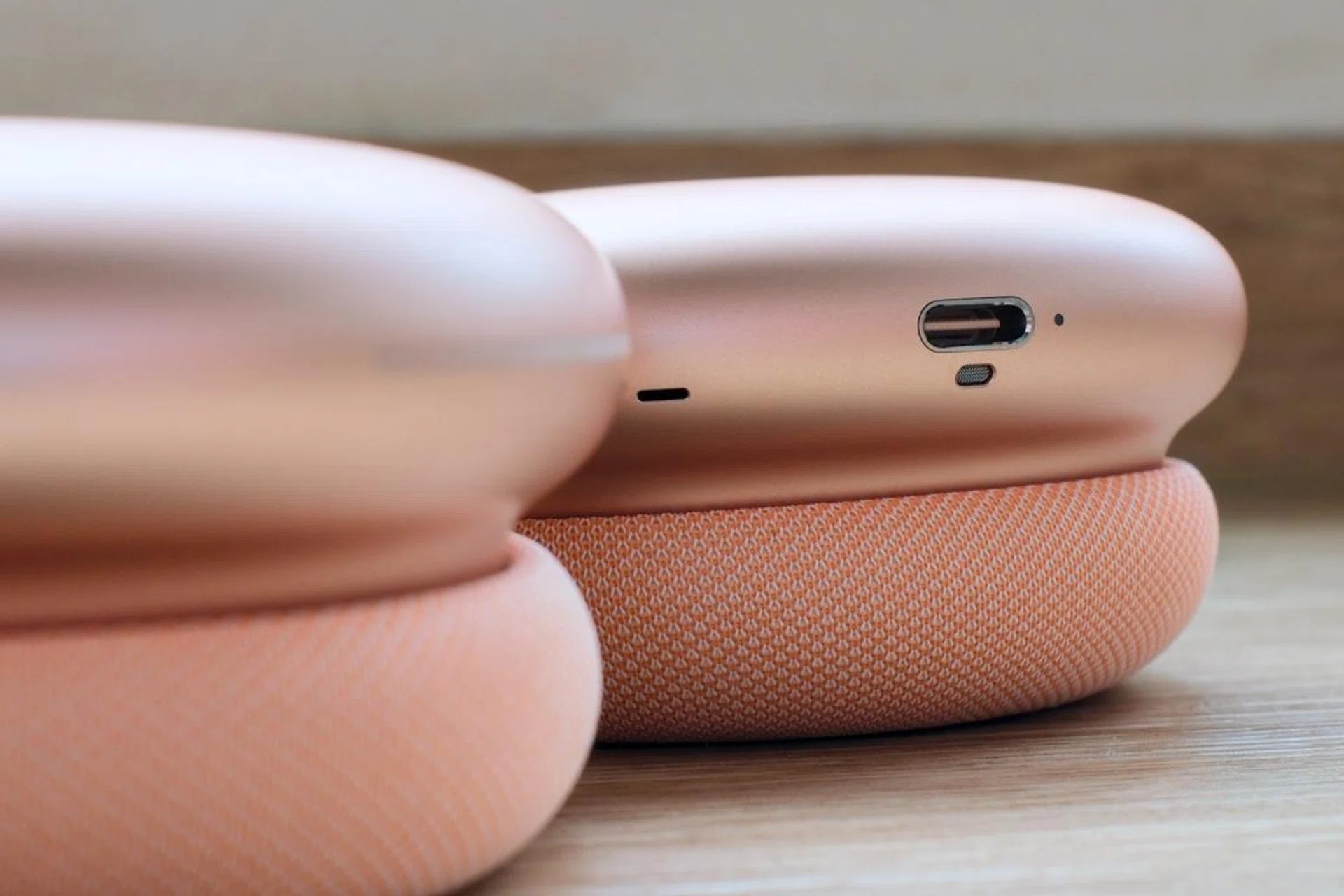
Have you seen a prettier set of earcups?
Photo: HWZ
The excellent ANC extends to its mic performance, too. I could capture a remarkably clean voice recording even when I was sitting in front of my fan. Not only that, it sounded natural, and not like it had been digitally cleaned up. It’s easily one of the best mics I’ve used in a headphone.
The H2 chip also brings Adaptive Audio to the AirPods Max. This mode blends active noise cancellation and Transparency mode. It’s supposed to let owners stay aware of their surroundings while suppressing unwanted noises. I found the noise suppression to be too mild for my liking, so I stuck to using just the ANC and Transparency listening modes. Speaking of which, Transparency mode remains top-notch. It sounds natural and is easily one of the best ambient sound modes you’ll find on any headphone.
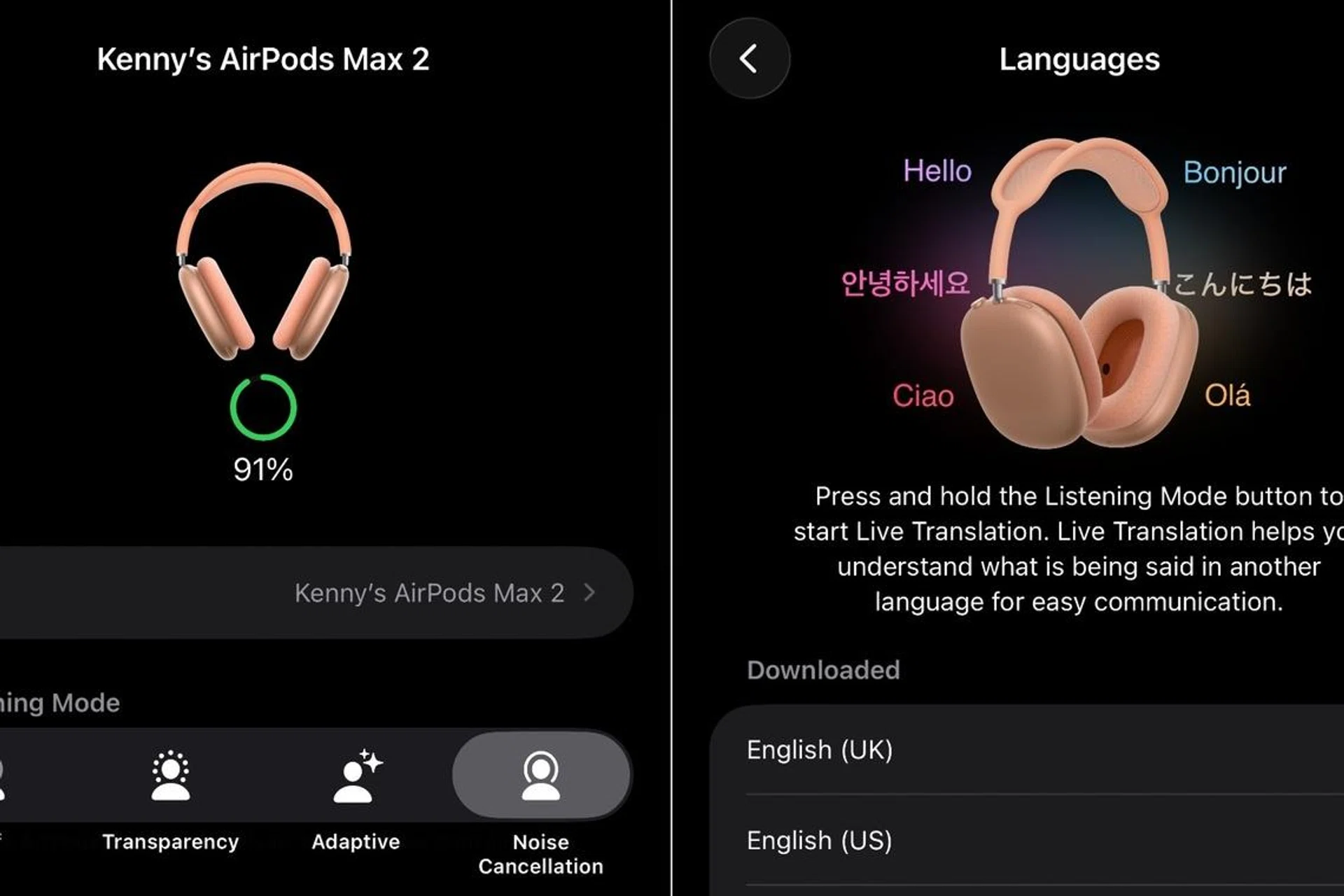
Live Translation works as advertised, I just wonder how many people will have the opportunity to use it.
Photo: HWZ
Other features that the H2 chip brings are Conversation Awareness and Live Translation. The former is very helpful because it automatically lowers the volume of whatever you are listening to and switches to Transparency mode whenever it detects you are talking to somebody. And when you are done, it’ll automatically bring the volume back up and go back to whatever listening mode you were in.
Live Translation also comes to the AirPods Max 2, but it’s worth pointing out that this feature is still in beta and requires the headphones to be paired with an iPhone that’s running Apple Intelligence. To its credit, it works mostly as advertised, but you do have to wait a little for the translation to come through. It’s no Babel fish. Add to the fact that it can seem rude to be talking with your headphones on, and the opportunities where you can use it become quite limited.When I was in Japan last year, I didn’t find this feature to be helpful, and would rather rely on my phone if I needed help translating.
Design, build, and fit