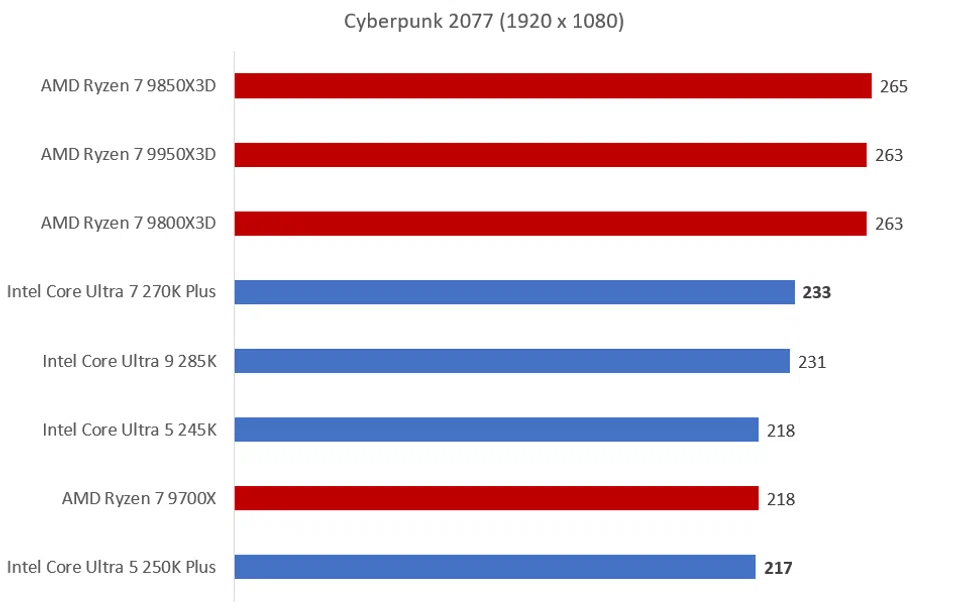
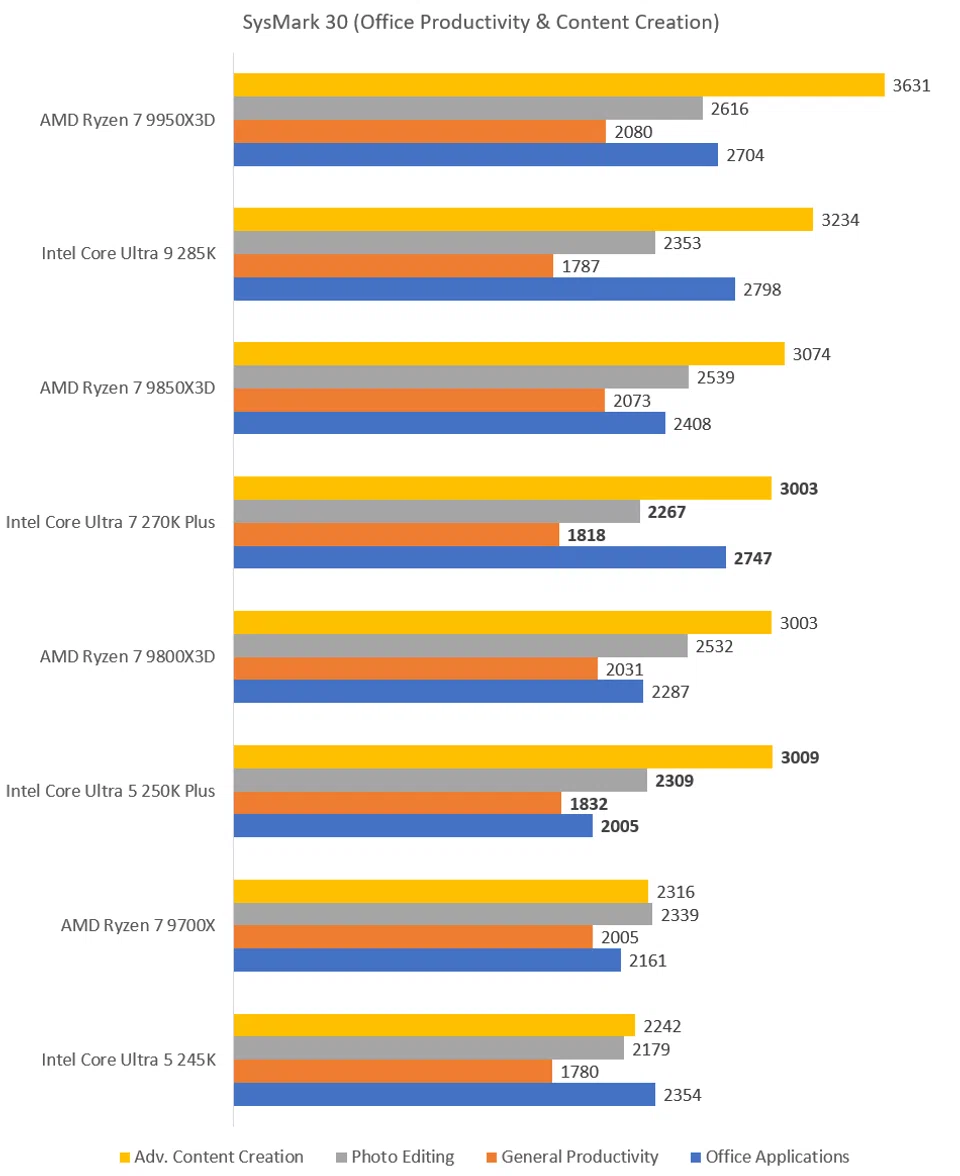
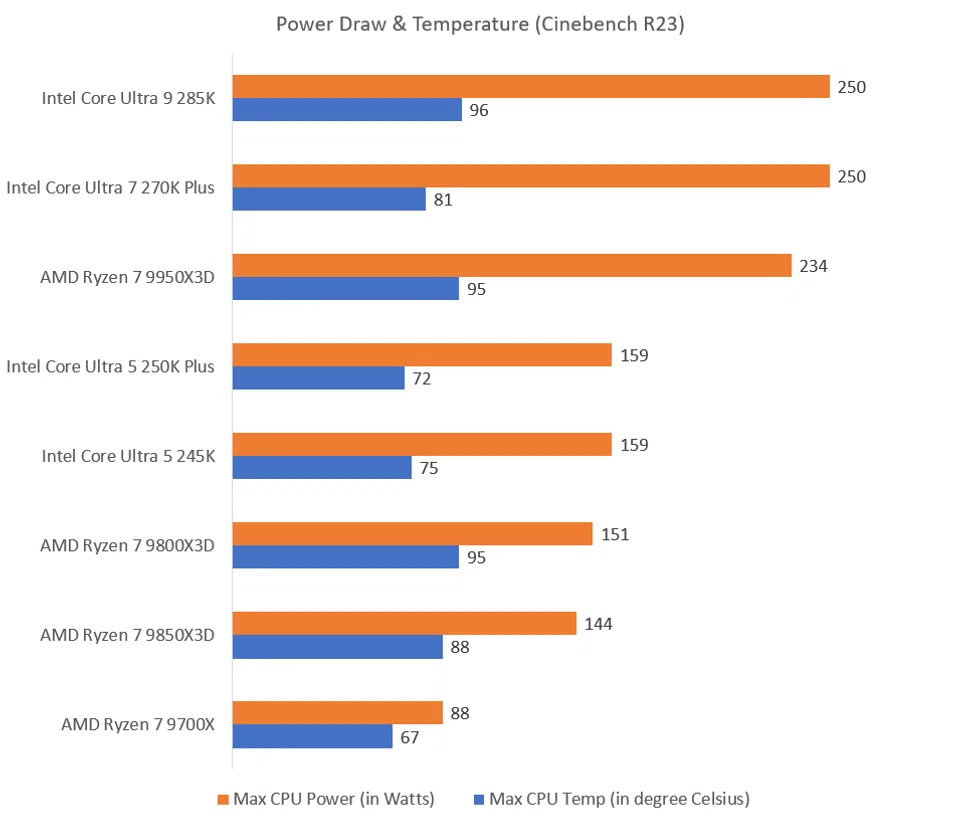
Arrow Lake was supposed to be a clean break and a reset of sorts for Intel’s consumer and gaming desktop business – with a new architecture and even a new naming convention. But as we have all seen from those Core Ultra 200S reviews (including from yours truly), it didn’t quite land the way Team Blue probably hoped. Not because they were bad, but because they just weren’t good enough when put next to AMD’s Ryzen 9000 series.
So instead of waiting it out for its next-gen wave, Intel is back at it again – this time with what it’s calling the Core Ultra 200S Plus series. And yes, quite frankly even I thought the naming is a bit of a mouthful, but the idea behind it is fairly straightforward. These are essentially refreshed versions of the existing Core Ultra 200S chips, hence the “Plus” moniker. These new chips also come with a few tweaks that are meant to address some of the originals’ weak points, which I will go through later.
What’s different?

Image: Intel
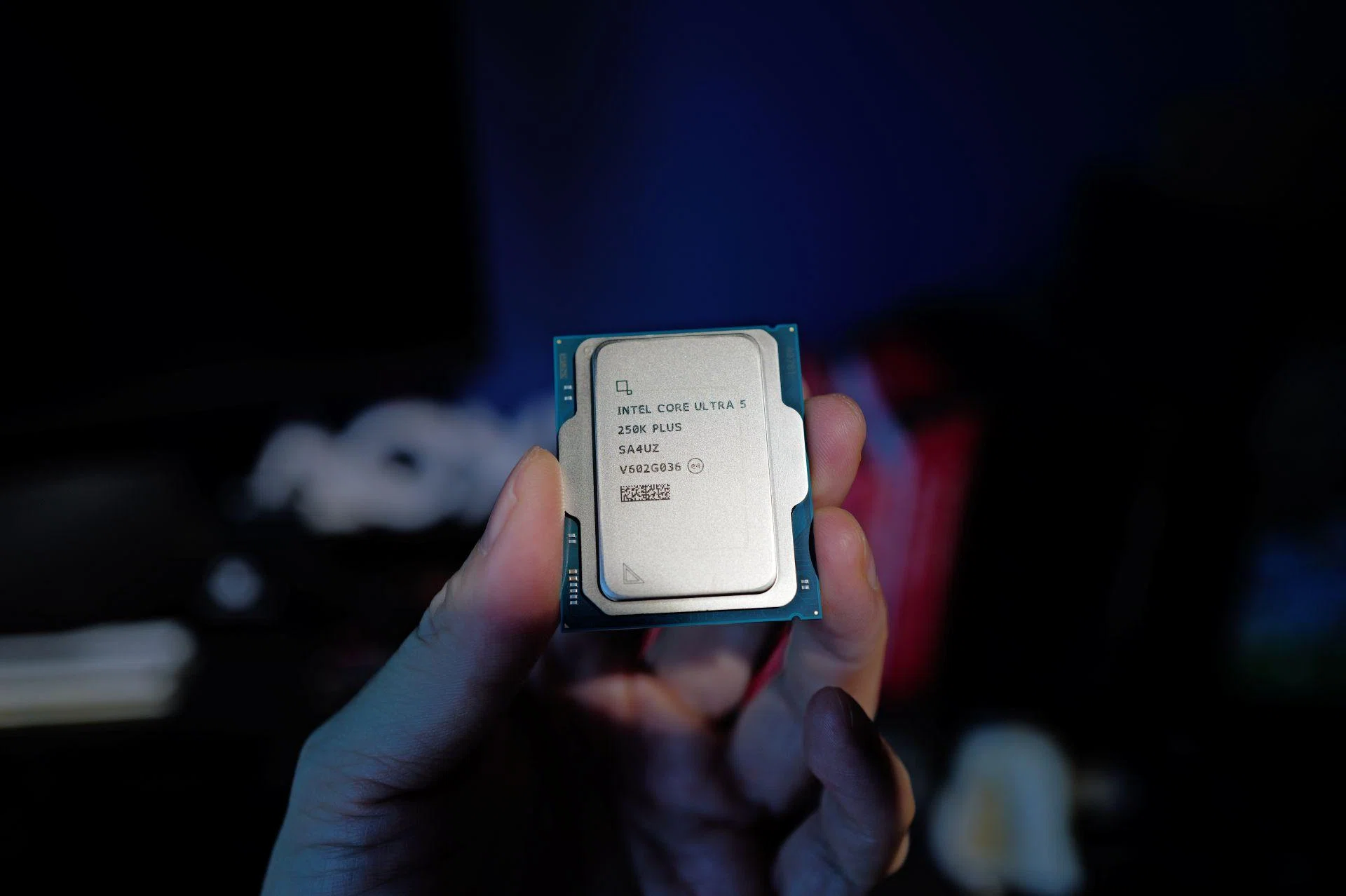
Essentially, there are two new (and refreshed) processors in the new line-up – the Core Ultra 7 270K Plus and the Core Ultra 5 250K Plus. Both are unlocked desktop chips that Intel is trying to make a stronger case on value this time rather than just stacking on more performance for the sake of it.
The 270K Plus is the more interesting one, specifications wise. It carries a full 24-core configuration (8 Performance and 16 Efficient cores) which, if that sounds familiar, is because it’s essentially the same core layout we’d seen from the Core Ultra 9 285K. The difference comes down to clocks and positioning, which puts it in that slightly odd space where it’s not quite flagship, but also not that far off either. In other words, this is probably the chip you look at if you want “most of the good stuff” without paying Core Ultra 9 money.
The 250K Plus, meanwhile, is where things get a bit more practical, especially for the more budget conscious. This processor is very much your mid-range option, but Intel has bulked it up compared to the Core Ultra 5 245K. You’re now looking at 18 cores in total (6 Performance and 12 Efficient), but don’t let the limited core counts fool you because hybrid scaling is still doing most of the heavy lifting, especially once you move beyond just gaming.
Intel have also wisely priced the 270K and 250K at US$299 and US$199 respectively, and in some ways felt like a price adjustment too – considering both sits very closely to or even below the Core Ultra 5 245K as well as AMD’s own Ryzen 5 9600X and Ryzen 7 9700X.
Compared to their predecessors, the 270K and 250K Plus don’t scream overhaul, but there are a few things worth paying attention to. Both chips get more Efficient cores compared to the 285K and 245K, which should help in multi-threaded workloads, even if that doesn’t always translate directly into better gaming performance. There’s also a bump in die-to-die interconnect speeds and should – in theory at least – deliver lower latency and better data access in how the cores talk to each other. Memory support has also been nudged up, with official DDR5-7200 now supported for both new processors and should be great news for overclockers.
Then there’s Intel’s new Binary Optimisation Tool, or iBOT, and this is where things get arguably more interesting. The idea is that it can rearrange how code runs to squeeze out more performance in specific applications or game, but the results can vary depending on the optimisation of these apps or games.
Taken together, the Core Ultra 200S Plus chips felt like like Intel going back over its own work and tightening things up where it can. Whether that’s enough is another question entirely. Because at this point, specs and positioning only tell you so much. The real question is whether these changes actually move the needle in the areas that matter – gaming, content creation, and just how the system feels to use day-to-day.
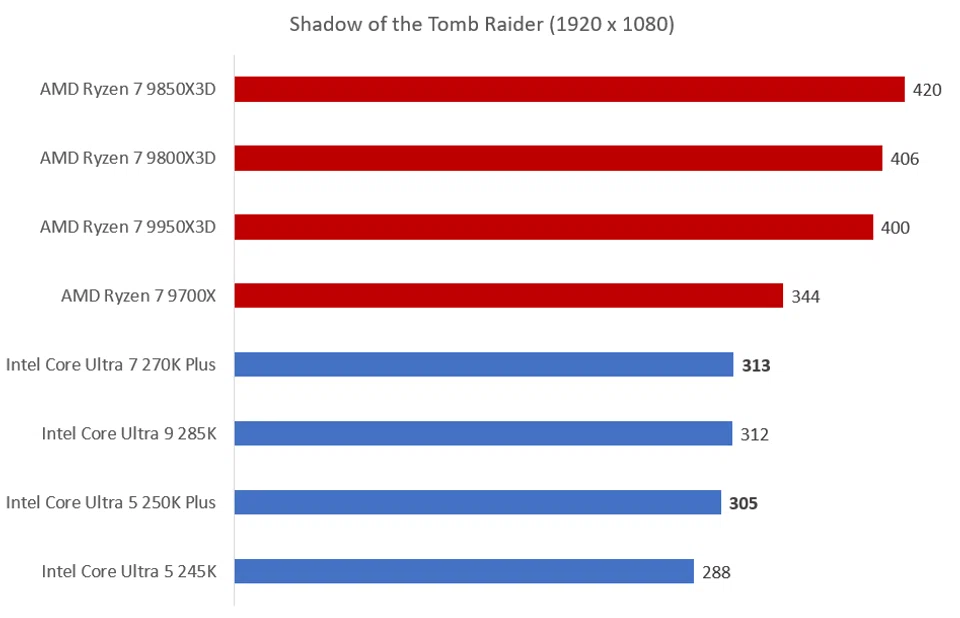
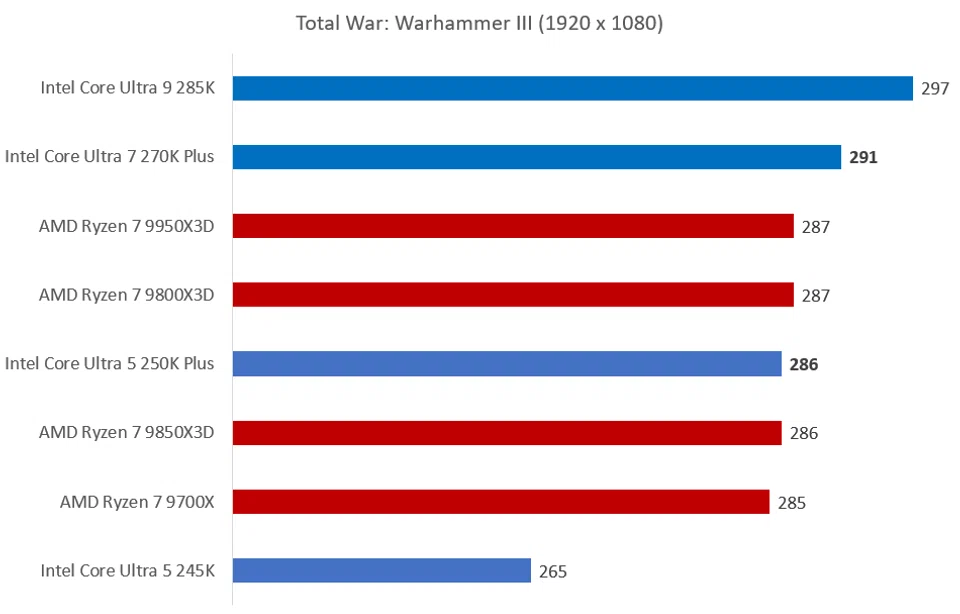
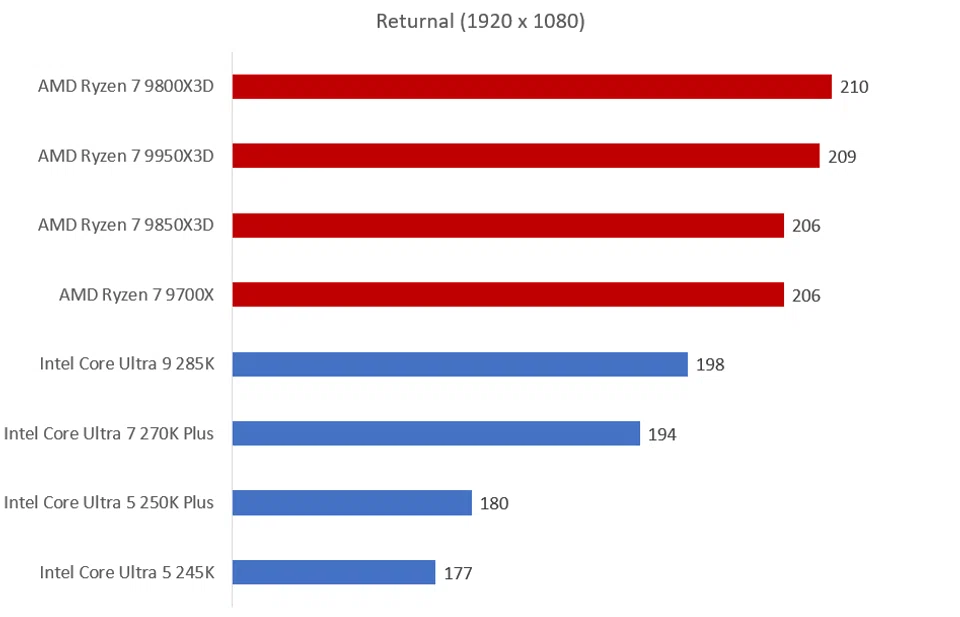
And that’s where the benchmarks come in. Let’s take a look.