Apple’s transition to its own silicon for its Mac products is easily one of the best things ever to happen for computing and Mac users. I’m old enough to have tested the M1 MacBook Pro when it was released and remember being utterly flabbergasted by its performance and efficiency. I called it the dawn of a new era for Macs, and with the benefit of hindsight, I now know I was right.
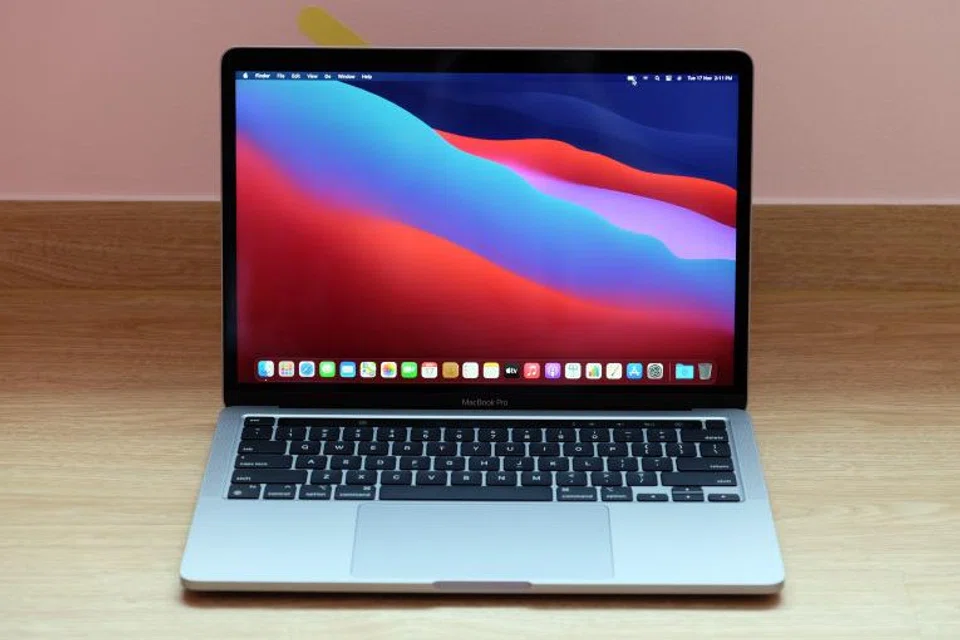
The M1 chip was a game-changer, not just for Apple, but for mobile computing as a whole. Pictured here is the M1 MacBook Pro.
Photo: Apple
Fast forward to today, and we are five generations deep into Apple Silicon. The M5 chip made its debut last year, and just weeks ago, we were joined by the M5 Pro and M5 Max. If you paid close attention to the press release, you’ll see that these are very different chips from their predecessors. Not only are they built on a new Fusion architecture, but they also contain an entirely new type of core called “performance cores”.
This all seems like a huge deal, but Apple didn’t elaborate on them. In fact, in the press release announcing the new chips, you’ll find just a single paragraph talking about the new Fusion architecture. Happily, I had the opportunity to speak to a some executives from Apple to learn more. They were:
- Anand Shimpi, Platform Architecture
- Doug Brooks, Mac Product Marketing
- Aaron Coday, Pro Workflow
Here are my takeaways from my brief chat with them.
What is Fusion Architecture?
To put it briefly, Fusion Architecture involves connecting two heterogeneous dies to form a single SoC. According to Anand Shimpi from Apple’s platform architecture team, in the case of M5 Pro and Max, it means to connect two third-generation 3nm dies, using low-latency high-bandwidth die-to-die interconnect, to form a single new logical chip.
If this sounds familiar, it’s because Intel and AMD both use a similar approach in designing their more recent processors. They call it a “chiplet architecture”.
There are a couple of advantages in pursuing such an approach over traditional monolithic designs. Going into detail here will take a long time, but in a nutshell, this approach can improve design and manufacture in terms of both yields and efficiency. Crucially, Anand told me that this approach enables Apple to scale multi-threaded CPU performance, improve GPU performance, and maintain its unified memory architecture – critical design goals for every Apple chip.