Preface
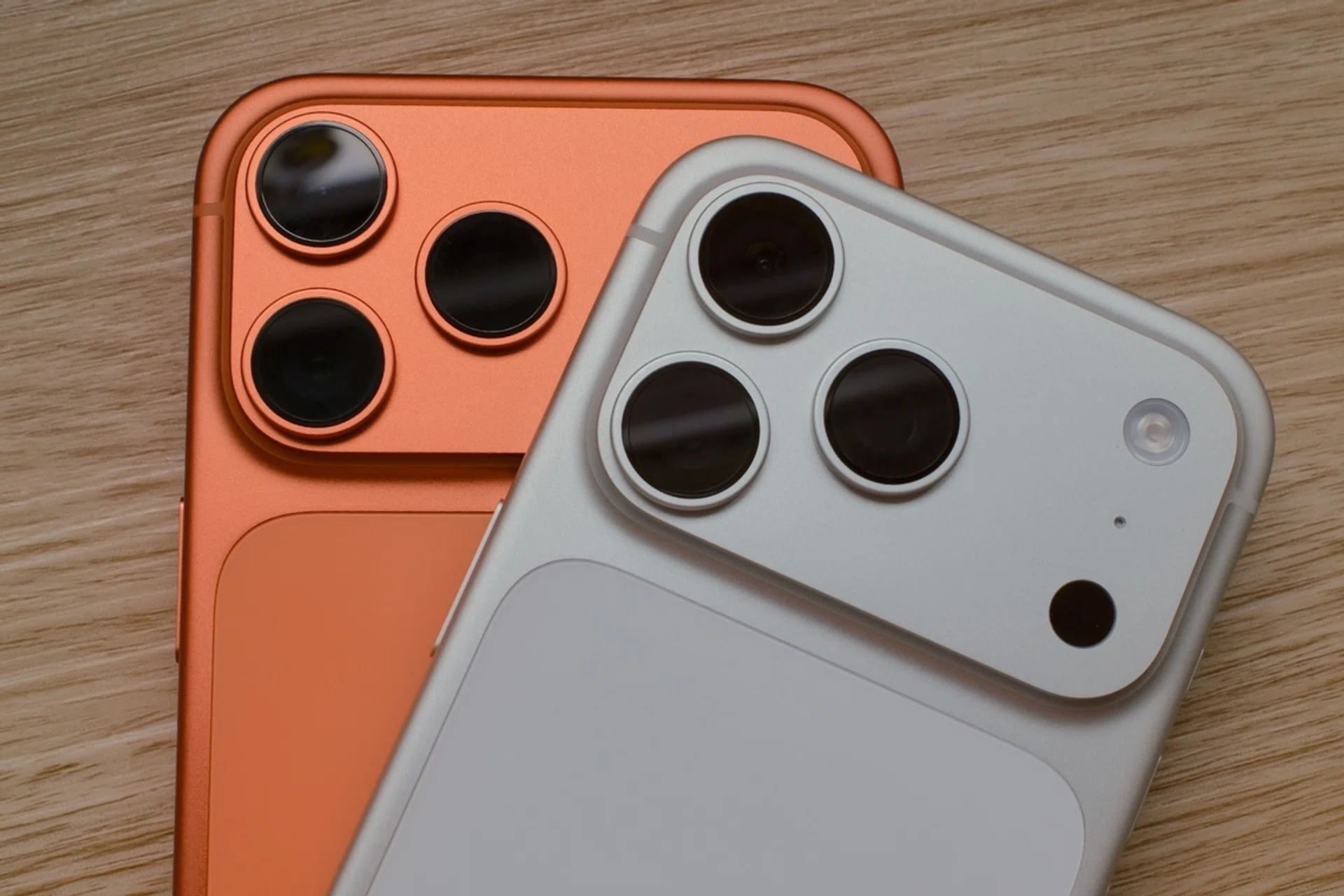
The iPhone 17 Pro series has the best cameras of any iPhone.
Photo: HWZ
Note: This feature was first published on 4 February 2026.
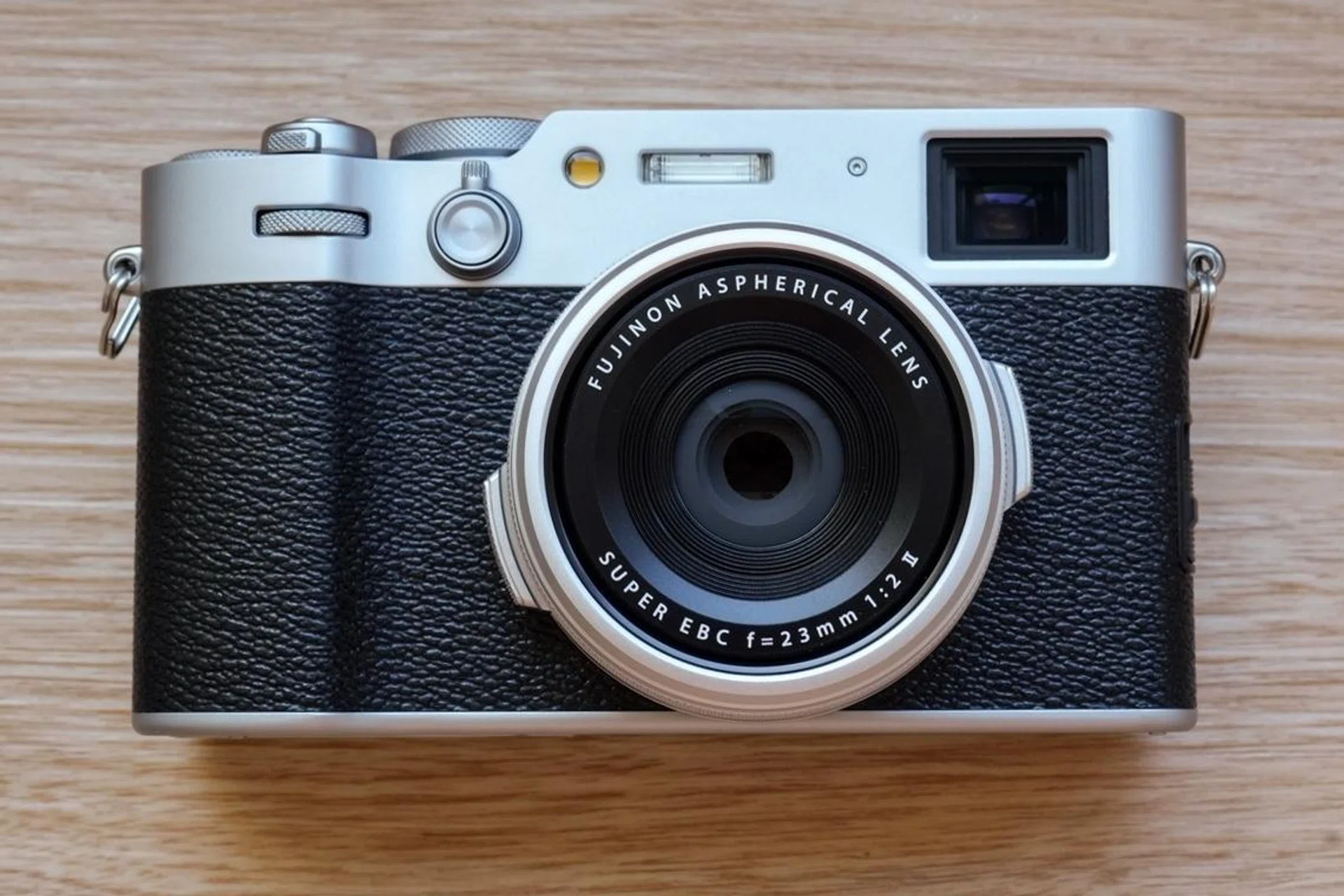
The iPhone 17 Pro series is one of the best iPhones of recent years. A big reason is its improved camera system. The new telephoto is a huge upgrade over last year’s, and the updated photo processing and rendering make photos look more natural. It’s so good that I think I’ll leave my trusty Fujifilm X100VI at home, and rely solely on an iPhone 17 Pro Max to take photos on my holiday to Japan.
Ah, Japan. I’m a big fan of road trip holidays, and there are few places better to do them in than in the Land of the Rising Sun. I could list the reasons why, but it would fill pages and possibly bust your data cap. The main reason is that it’s incredibly easy to drive there. Like us, they drive on the left, and Japanese road users must surely be one of the most polite and considerate in the world. Navigating is a cinch, too, with Google Maps.
The purpose of this trip was to explore the less popular regions of Kyushu and Chugoku, and to visit a couple of places that were on my bucket list. We begin in Kumamoto.
Note: All photos were taken only with the iPhone 17 Pro Max and edited only using the Photo app’s built-in tools. No third-party software or filters were used.
Kumamoto
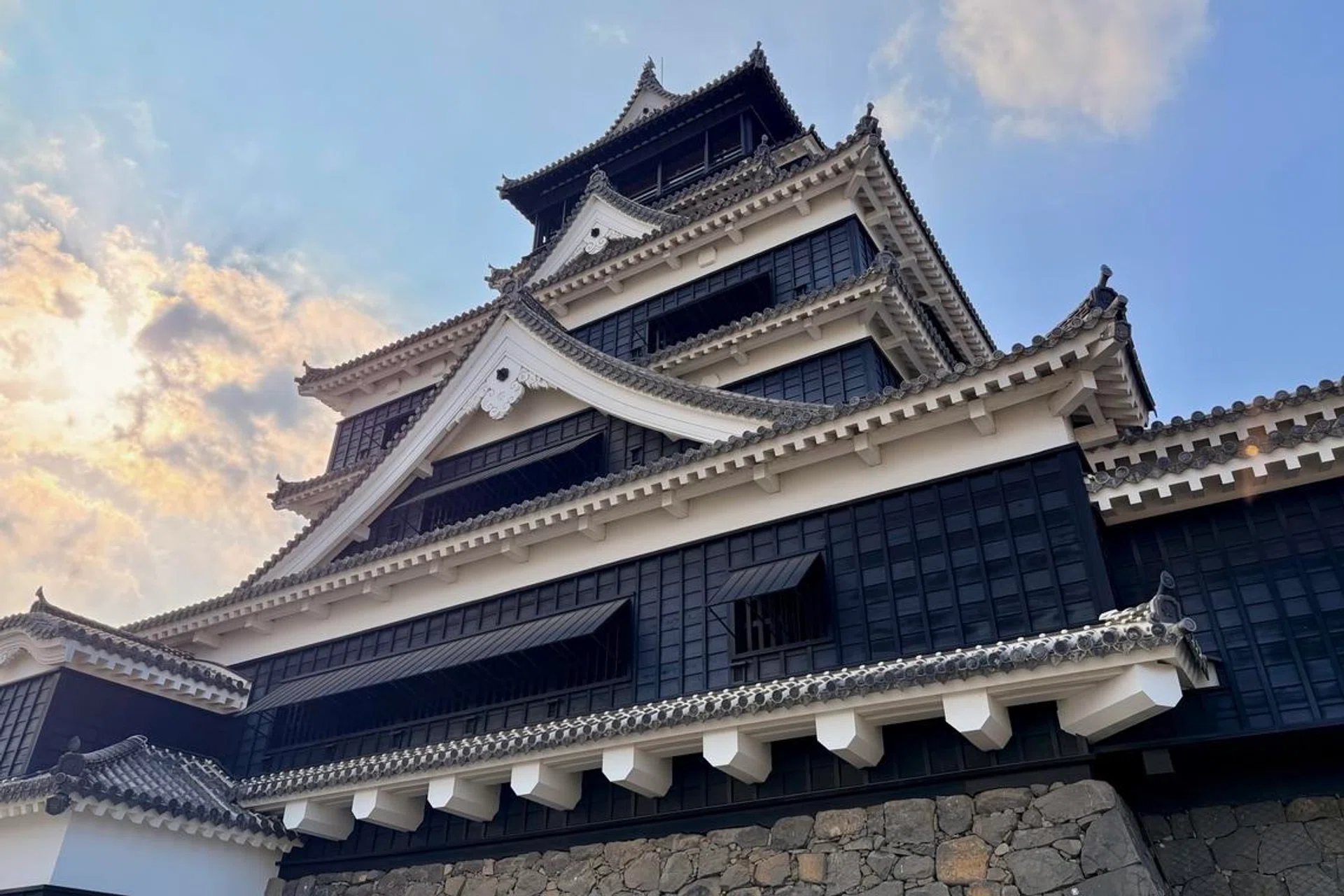
The imposing main keep of Kumamoto Castle. Shot with main camera at 1x.
Photo: HWZ
Kumamoto is the largest city of Kumamoto prefecture and is about a 90-minute drive south of Fukuoka. Because we flew in on a red-eye flight, it makes sense to make Kumamoto the first stop, since by the time we got there, the shops and attractions would have opened. Speaking of attractions, the main ones that I’m here to see are Kumamoto Castle and Suizenji Park.
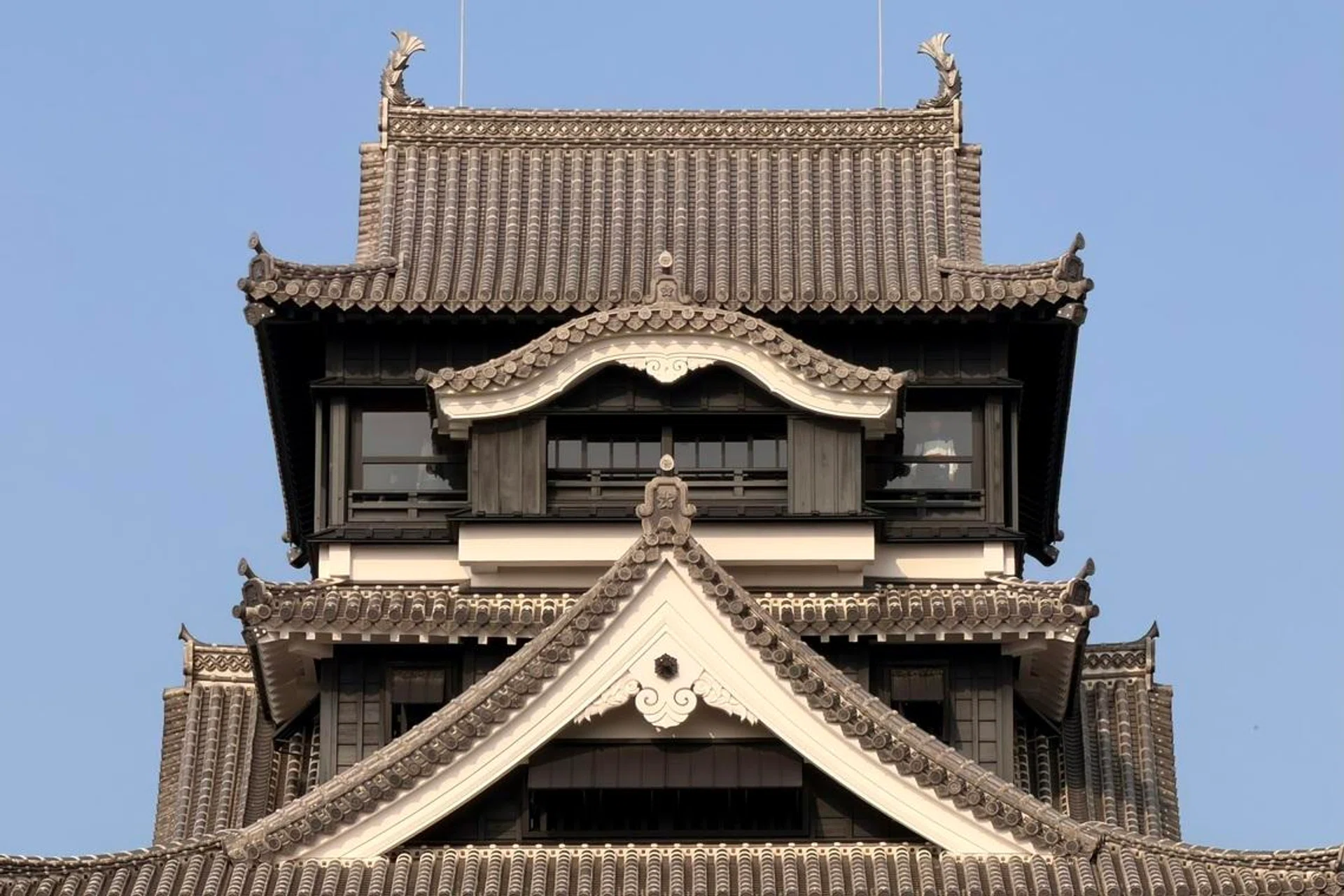
The iPhone 17 Pro’s improved telephoto camera delivers impressive results in good light. Shot with telephoto camera at 8x.
Photo: HWZ
Kumamoto Castle is considered to be one of the three premier castles of Japan – the other two being Himeji Castle and Matsumoto Castle. However, it is the only one of the three that isn’t an original castle. In other words, the main keep (tenshu) is a reconstruction. The main keep was destroyed during the Satsuma Rebellion of 1877, and the current keep is a concrete reconstruction built in 1960. However, there’s no denying its grandeur. The castle grounds are expansive, and the main keep is imposing, mainly because of its sheer size and black exterior. Like many reconstructed castles around Japan, inside you’ll find a museum that showcases the history of the castle and the city around it.
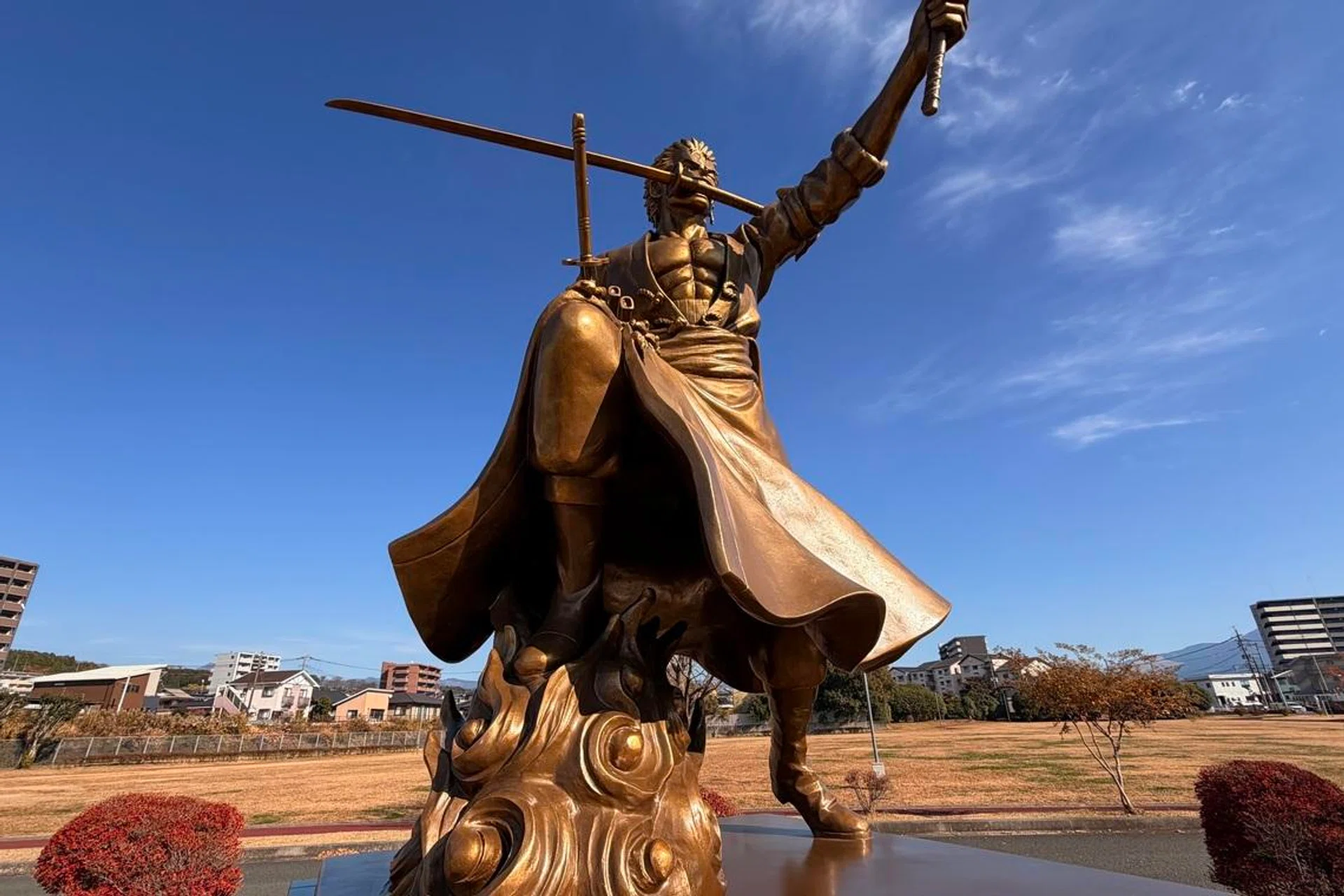
Statue of Zoro. Shot with ultra-wide camera.
Photo: HWZ
If you are in Kumamoto, the castle is not to be missed. However, being a reconstruction, the main keep lacks the charm of its peers, Himeji and Matsumoto. Still, the grounds make for a nice walk, and it’s interesting to learn about how the castle was strategically designed to withstand attacks. One thing worth noting is that the exhibits in the castle are almost exclusively in Japanese.
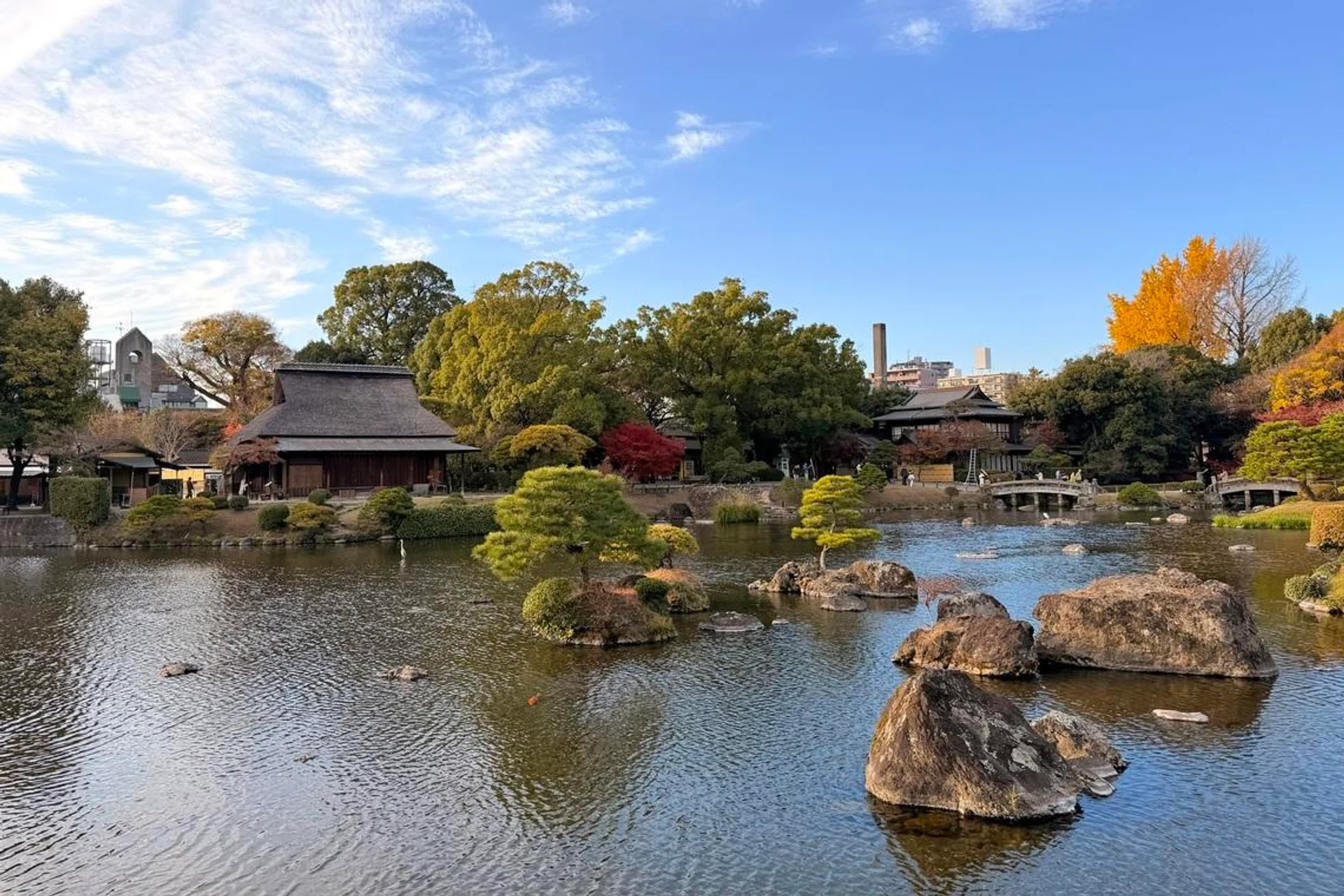
Overlooking the main pond of Suizenji Garden. Shot with main camera at 1x.
Photo: HWZ
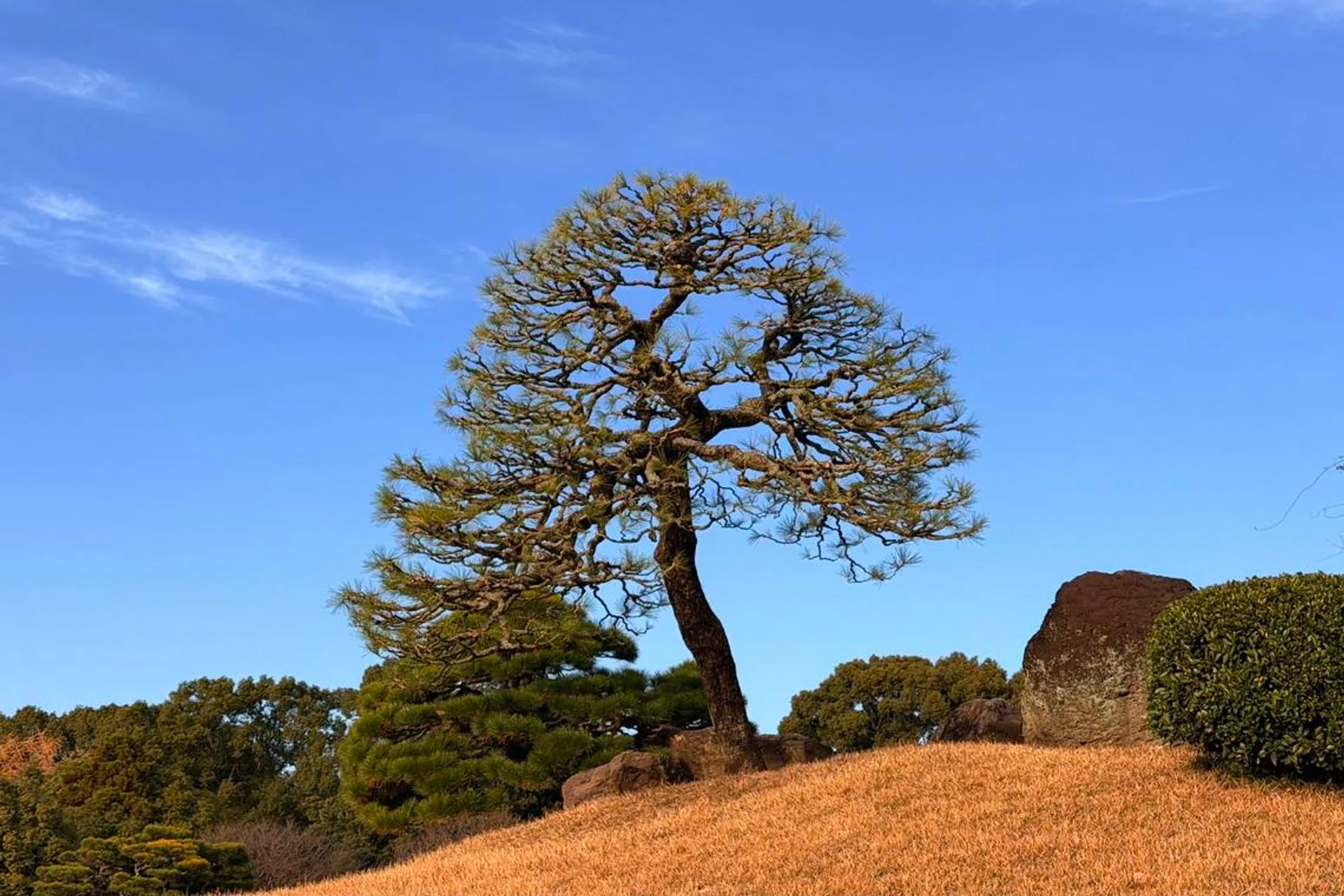
Because Kyushu is warmer, even though it was early December, most of the trees still had leaves on them. Shot with main camera at 2x.
Photo: HWZ
Suizenji Park was built by Hosokawa Tadatoshi in the 1630s. The Hosokawa family ruled over Kumamoto for over 200 years. In the middle is a large pond that is said to be fed by spring waters from nearby Mount Aso. And to the north is Izumi Shrine, a shrine devoted to the Hosokawa family. Another highlight of the garden is an artificial hill said to be modelled after Mount Fuji.
The garden is especially scenic, and its sprawling grounds mean it isn’t crowded even if it is one of the most popular tourist attractions of Kumamoto. If you are only spending a day in Kumamoto, I’d recommend coming here after heading to Kumamoto Castle in the morning.
Travel tip for Kumamoto: One interesting about Kumamoto is that there are 10 statues of One Piece characters scattered throughout the prefecture. That’s because its creator, Eiichiro Oda, was born in Kumamoto. These statues are part of an initiative to help attract tourists after the Kumamoto earthquake of 2016. Here are the locations of all 10 statues.
Mount Aso
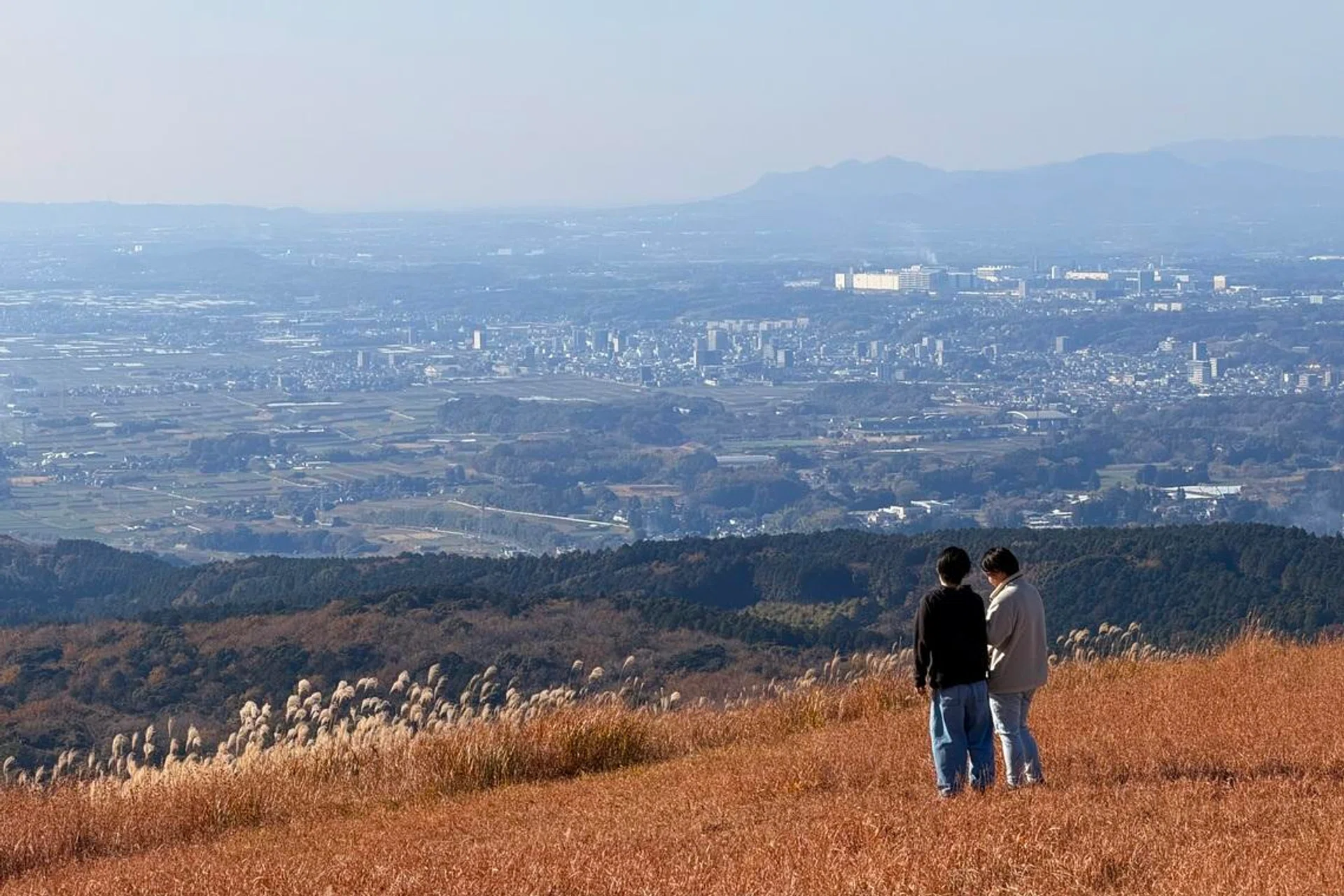
A viewpoint near Mount Aso overlooking the plains of Kumamoto. Shot with telephoto camera at 4x.
Photo: HWZ
About 80 minutes from Kumamoto city is Aso Caldera, which is part of the larger Aso-Kuju National Park. This is an extremely beautiful area, and in some ways reminds me of the Fujikawaguchiko area near Mount Fuji. You’ll definitely need a car to make the most of your time here. And even then, because the area itself is so vast, and the roads are narrow and twisty and filled with elevation changes, you’ll need a couple of days if you want to hit all the main spots.
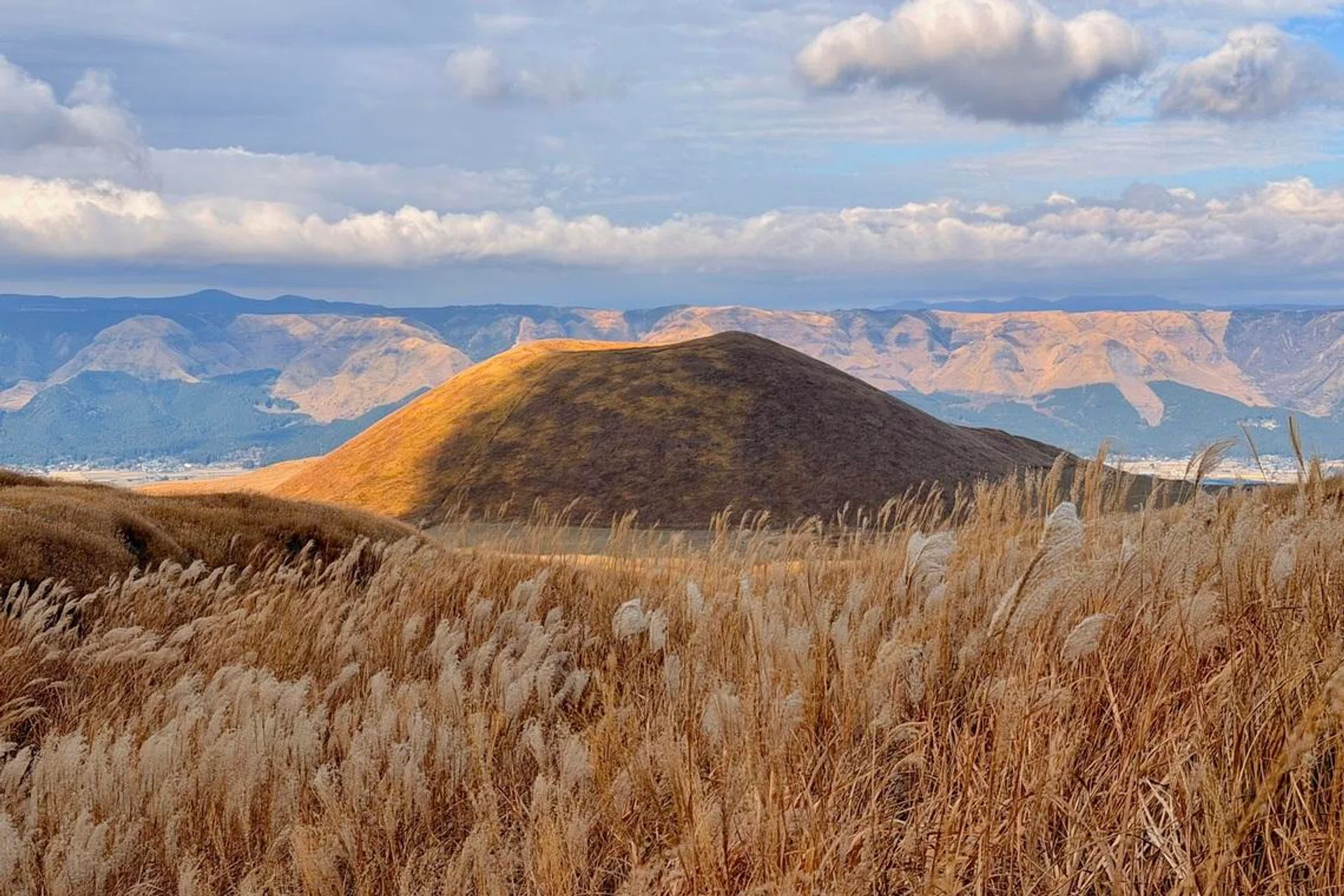
One of the geographical features of Mount Aso is Komezuka, a small volcanic cone. Shot with main camera at 2x.
Photo: HWZ
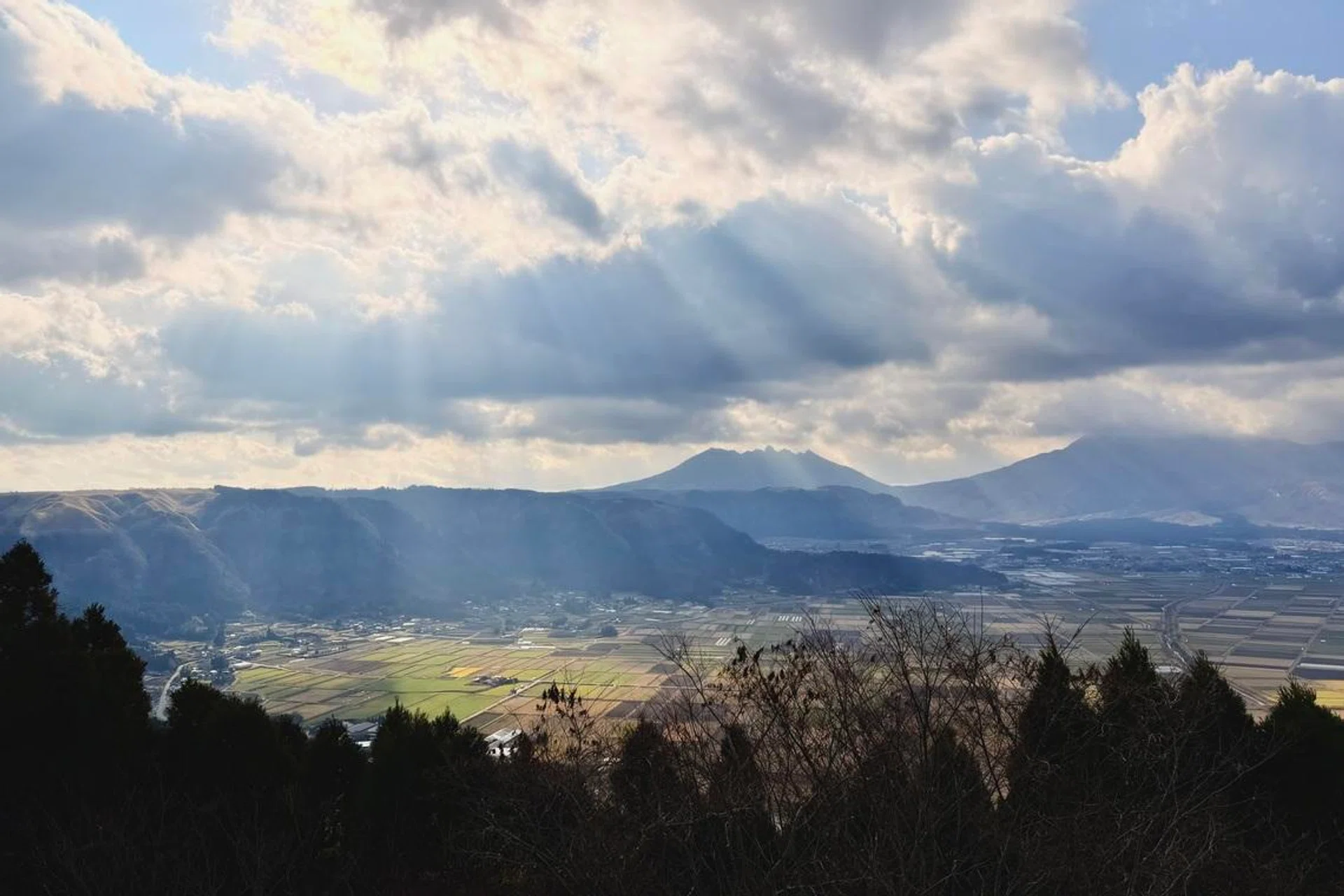
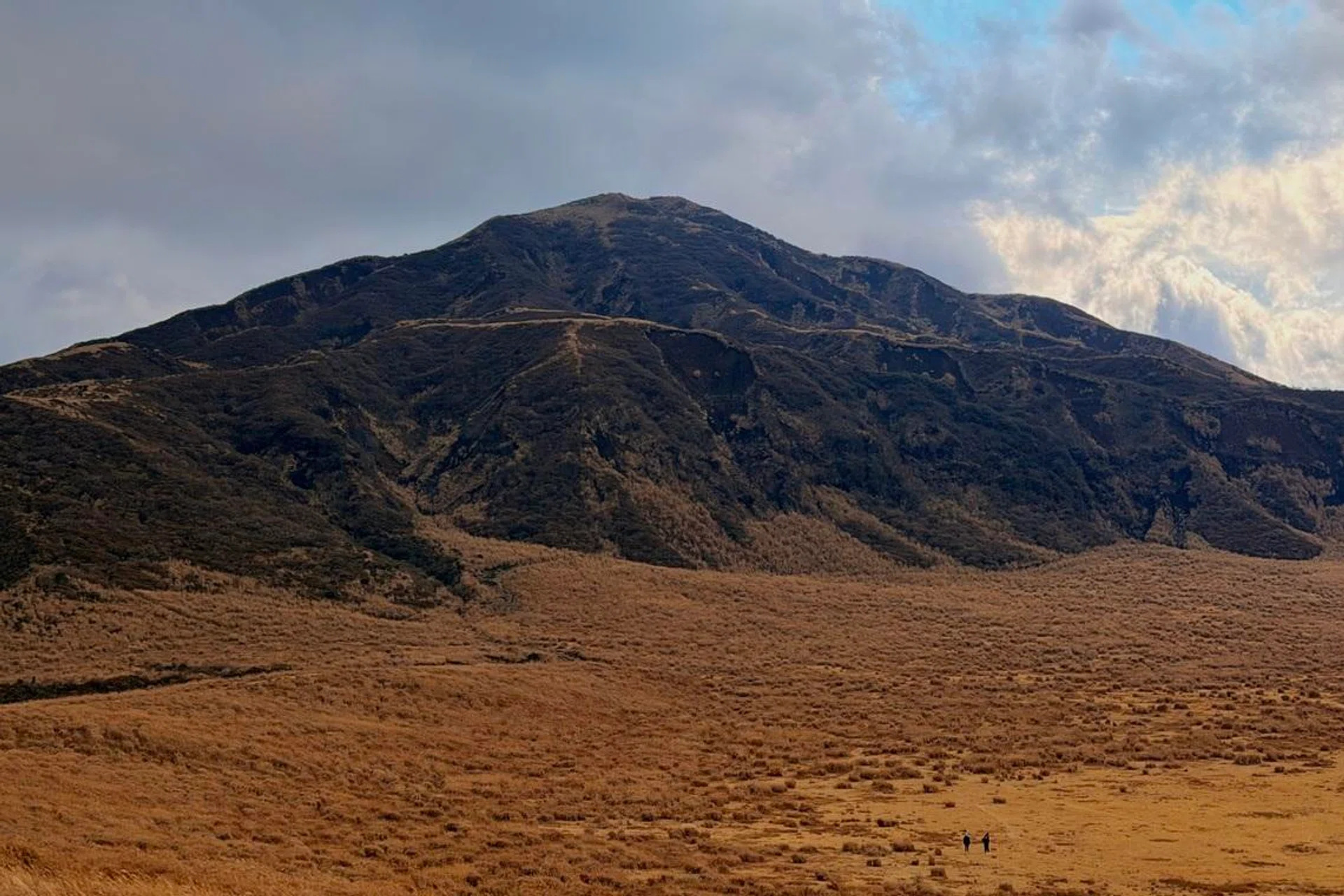
In the distance is Mount Neko, one of the five peaks of Mount Aso. Shot with main camera at 1x.