The recent landslide electoral win in Japan by the Liberal Democratic Party (LDP) gives one of Asia’s most developed economies a high degree of political stability and clears the way for a bump in government spending to kick-start the economy.
A stable and growing Japanese economy bodes well for property investors in Japan. The country is already at the top of the list among major Asia Pacific countries for real estate investors, as the top choice for investment assets and development projects, according to a market survey by the Urban Land Institute (ULI).
Real estate in Tokyo remains the hot favourite for global investors, and the buoyant sentiment is a continuation of the bullish mood that drove up investment volumes to US$17.93 million worth of deals over the first nine months of 2025.
As a result, Tokyo’s real estate market is the largest and most liquid city in the Asia Pacific region, besting runner-up Singapore and Sydney in third place. Osaka came in fourth in the regional ranking of top investment cities in the ULI survey.
The appeal of investment properties in Tokyo and other major cities in Japan comes as other gateway cities in the Asia Pacific region see a mixed bag of investment performance. According to investment managers surveyed by ULI, there is a growing preference for developed cities with robust capital markets and liquidity amid global macroeconomic uncertainty.
Tokyo’s property market is also relatively open, with good data available from a range of sources and the opportunity to score off-market deals for those in the know. There is also strong buying activity from local and international investors, private funds, REITs, and institutional investors.
“Alongside London… Tokyo and Singapore are places where many Asian families have placed significant amounts of wealth on a long-term basis”, according to an investment advisor cited by ULI.
The report adds that Tokyo’s living sector assets, such as multifamily properties, remain standout opportunities. Despite competitive capital inflows, residential investment properties continue to offer structural and cyclical support within most portfolios.
On solid rock, Japanese property stands
Japan’s property market has undergone a prolonged recovery in recent years, and this is not only evident in Tokyo but also in other fast-growing cities like Osaka, where property prices are quickly catching up to peak prices set four decades ago, according to Amous Lee, CEO and founder of FMI Japan.
The Singaporean is an international real estate veteran with over 26 years of experience. He started FMI Japan in 2015 as an end-to-end business that provides agency and consultancy services, as well as undertaking development and investment projects. In Japan, the company is also a turnkey developer that builds and sells its own properties, working closely with Japanese stakeholders throughout the process.
For Singapore-based buyers, demand for real estate in Japan in recent years has been supported due to several favourable factors – a low SGD/Yen exchange rate, low domestic interest rates in Japan, relatively low property prices compared to Singapore, and high rental yields due to persistent urban migration.
“With Japan now experiencing higher inflation and a relatively weaker Yen, investors benefit from favourable currency exchange rates that tend to outpace inflation. The Japanese market is also beginning to show signs of stronger economic recovery, which has spurred much stronger wage growth,” says Lee.
He adds that the relatively bullish sentiment also means that foreign investors should consider diversifying beyond traditional residential property segments. Portfolio diversification can come in the form of individual units across different property types or entire developments to enhance portfolios.
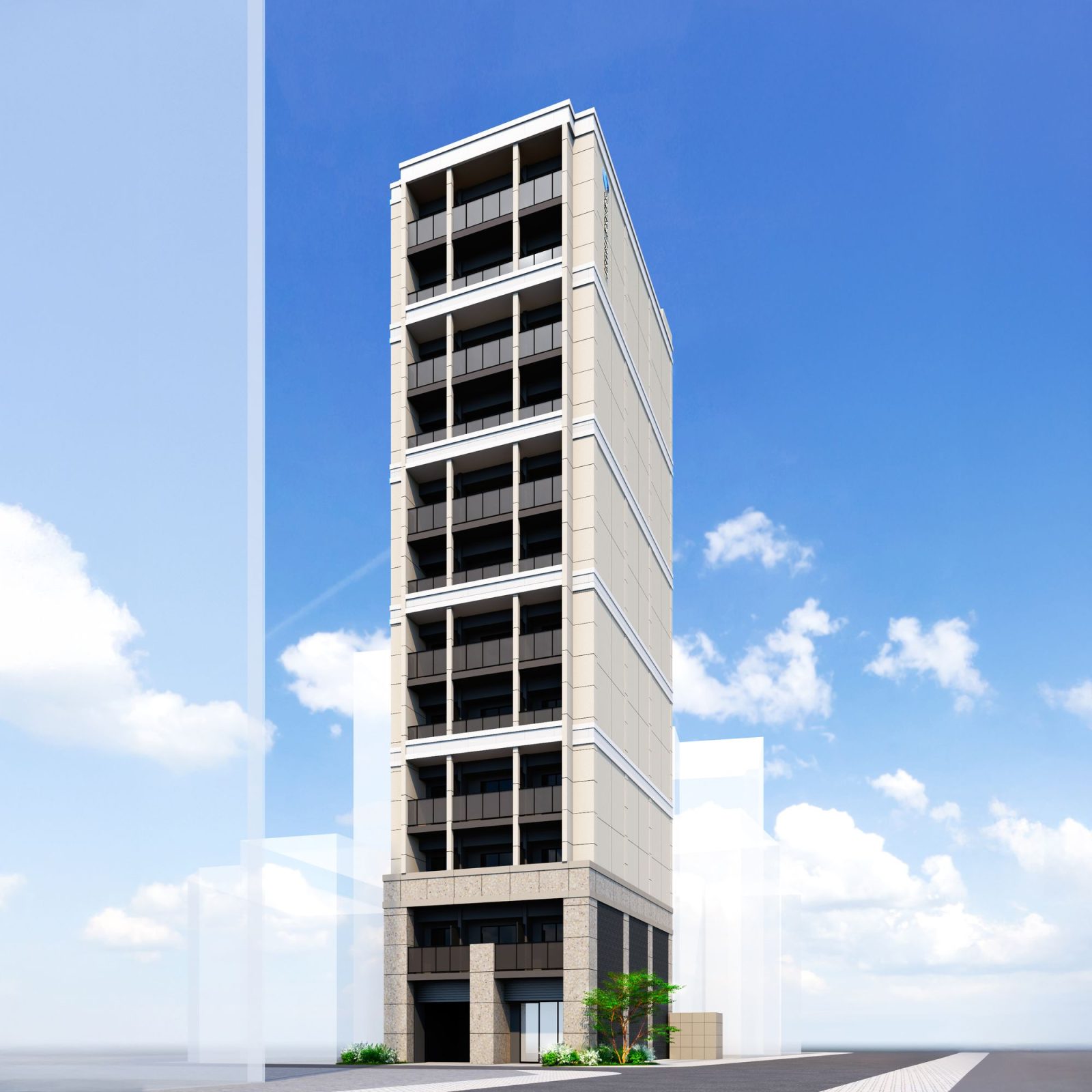
In general, apartments like multifamily units usually focus on long-term leases, which are attractive to investors looking for a stable and reliable investment property. An example is The Peak Tsutenkaku Grand, an upcoming freehold apartment in Osaka developed by FMI Japan. The 33-unit development in Naniwa Ward features units of about 314 sq ft with prices starting from $369,000.
On the other hand, bed-and-breakfast (B&B) units and serviced apartments offer more opportunities to generate higher rental returns and greater capital growth. “These types of properties are especially beginner-friendly and offer a relatively simple way for first-time investors to build up their investment portfolio,” says Lee.