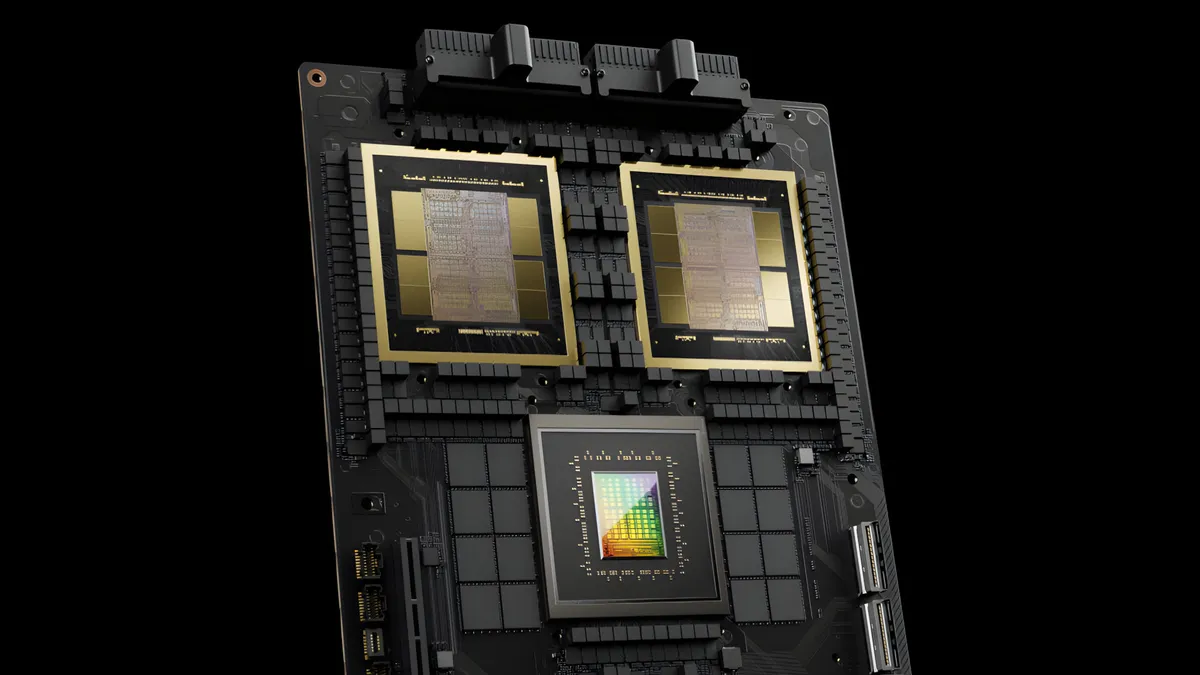

So, OpenAI has signed yet another megabucks deal, this time with Broadcom and involving 10 gigawatts of what’s described as OpenAI designed “custom AI accelerators.”
From a technological perspective, the interesting bit is that the hardware is OpenAI designed. “OpenAI will design the accelerators and systems, which will be developed and deployed in partnership with Broadcom. By designing its own chips and systems, OpenAI can embed what it’s learned from developing frontier models and products directly into the hardware, unlocking new levels of capability and intelligence,” the announcement says.
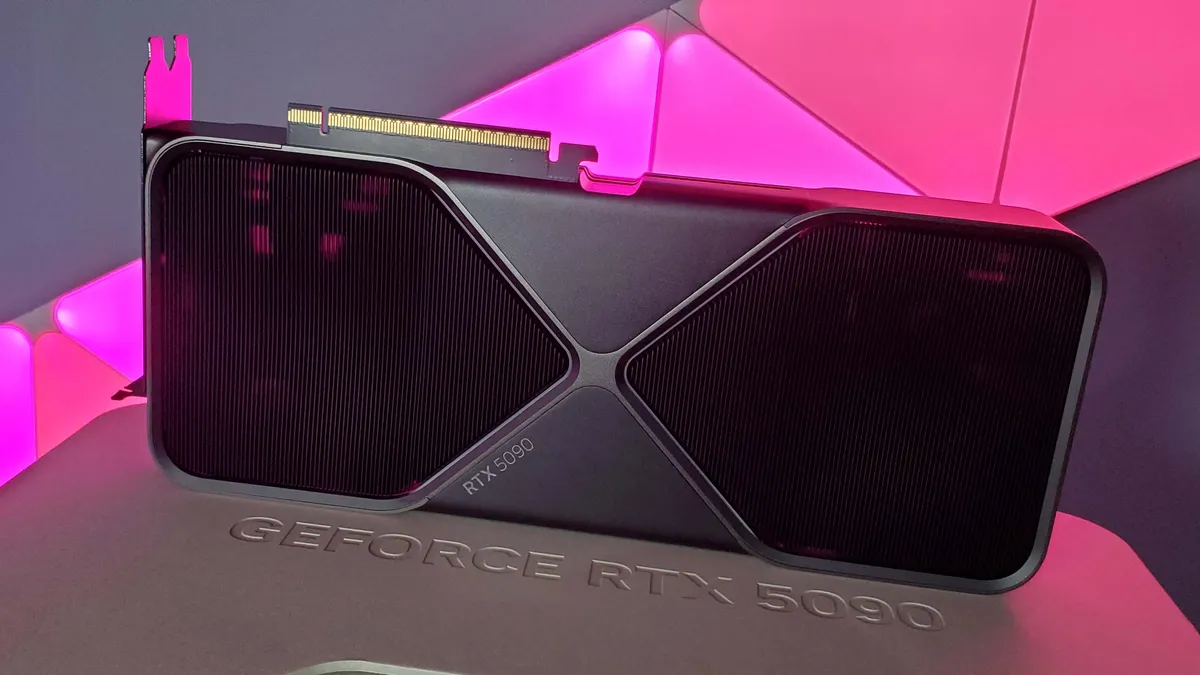
That implies OpenAI wants to at least try to do its own thing with AI hardware rather than be entirely at the mercy of Nvidia and, to a lesser extent, AMD. But arguably the bigger intrigue involves the financial implications of yet another big hardware deal from OpenAI.
Lest you have forgotten, in recent weeks OpenAI has announced a $300 billion deal for cloud computing services with Oracle, a complex deal with Nvidia worth at least $100 billion, followed by yet another deal with Nvidia’s arch rival, AMD, that’s worth at minimum tens of billions of dollars.
As the saying goes, a hundred billion here, a hundred billion there, pretty soon you’re talking about real money. In fact, you’re talking about so much money, that attention has now turned to the idea of an AI bubble and when it’s going to burst.
One thing everyone seems to agree on is that there is a bubble. Even OpenAI’s CEO Sam Altman says, “people will over-invest and lose money,” even if he also thinks, “over the arc that we have to plan over, we are confident that this technology will drive a new wave of unprecedented economic growth.”