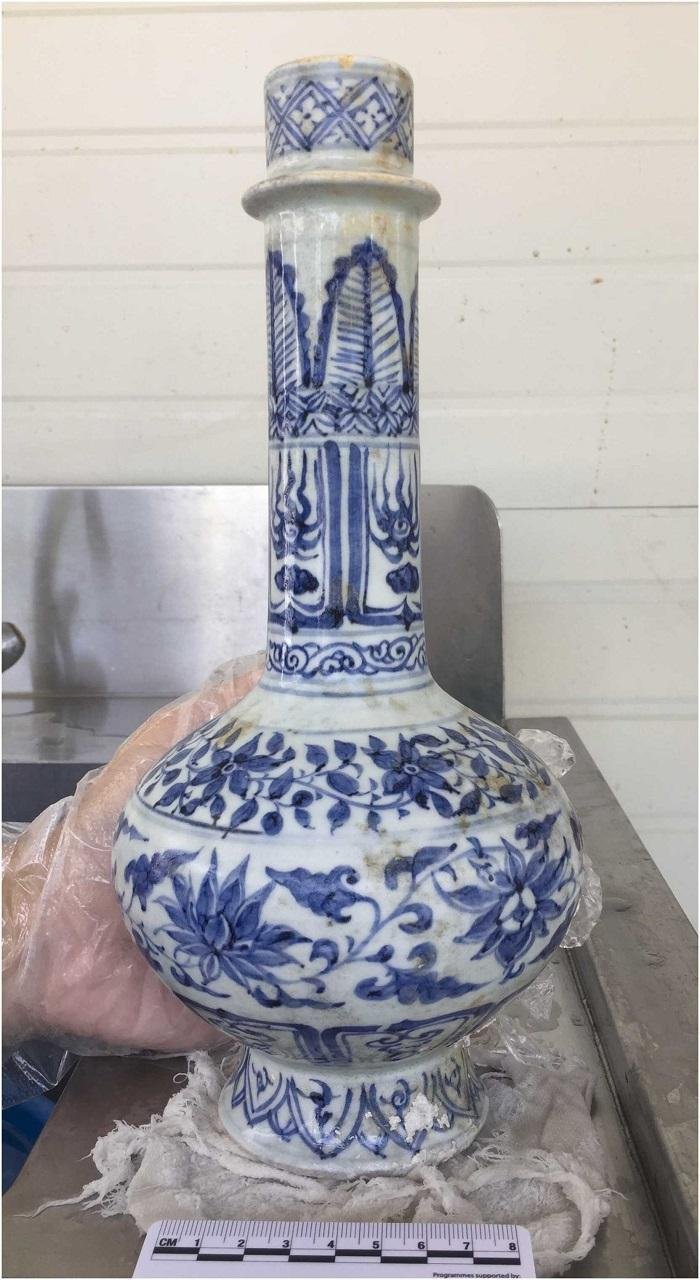
A four-year maritime excavation off the coast of Singapore has produced the earliest known shipwreck in the country’s waters and strong evidence of a busy trading port in the 14th century. The vessel, known as the Temasek Wreck, sank sometime between 1340 and 1352. At that time, Singapore was called Temasek and functioned as an entrepot linking regional and long-distance trade networks.
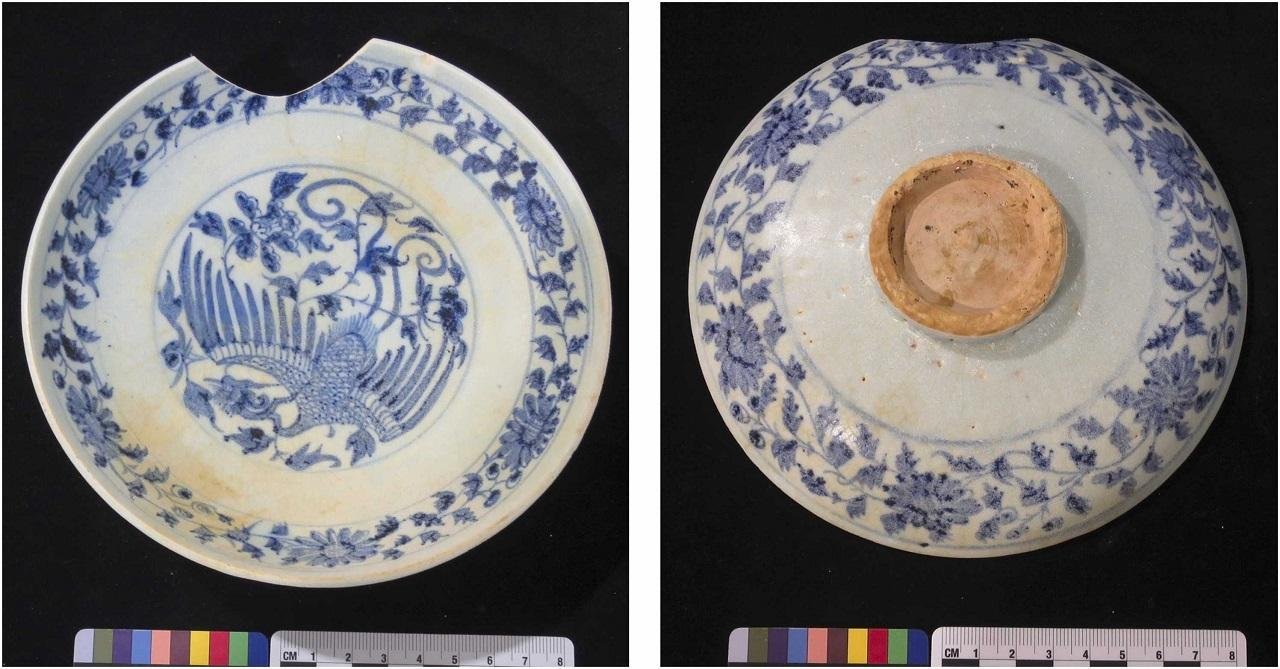
Between 2016 and 2019, archaeologists recovered about 3.5 tonnes of ceramic cargo from the seabed. Most of the material consists of broken shards, yet the team also retrieved a small number of intact or nearly intact pieces. The haul includes around 136 kilograms of blue-and-white porcelain from Jingdezhen, more than any other documented shipwreck has yielded. Longquan celadon, qingbai or shufu ware from Jingdezhen, whiteware from Dehua, greenware from Fujian kilns, and brown stoneware jars from Cizao formed part of the cargo as well.
Dr. Michael Flecker of Heritage SG (a subsidiary of the Singapore National Heritage Board) analyzed the assemblage in a study published in the Journal of International Ceramic Studies. He examined decorative styles, kiln origins, and production histories to narrow the date of the ship’s final voyage. Several blue-and-white bowls display a repeated motif of mandarin ducks swimming in a lotus pond. Production of this design appears to have been limited to a short span during the Yuan dynasty before unrest disrupted kiln activity. This places the sinking in the mid-14th century.