Note: This feature was first published on 23 January 2026.
E-readers have come a long way from being simple digital book replacements. But given that we’re now in 2026, choosing between a Kobo and a Kindle is no longer just about screen size or battery life. Colour e-ink, deeper ecosystem ties, accessibility tools and how well each platform fits into Singapore’s reading habits now matter just as much.
Both brands have refreshed their lineups in recent years, but they have taken noticeably different paths. One prioritises openness and format flexibility, while the other leans heavily into ecosystem convenience and premium features.
Should I get a Kobo or Kindle e-reader?
If you’ve been thinking about getting an e-reader, whether to accompany yourself on long train or bus rides, or simply to simplify your burgeoning book collection away from shelves of dusty books, here are some considerations to bear in mind when choosing between the Kindle and Kobo e-readers.
Display
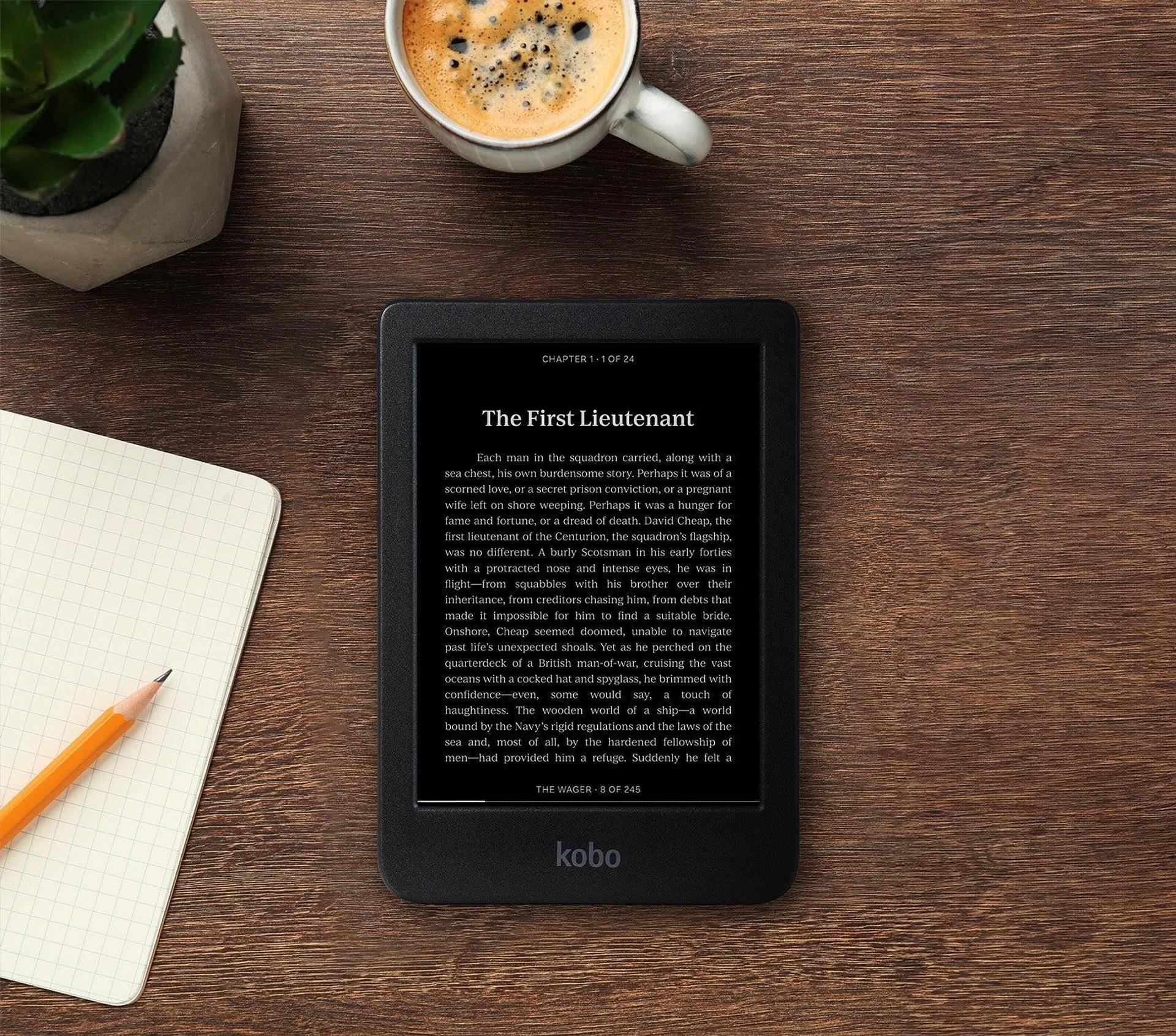
Image: Kobo
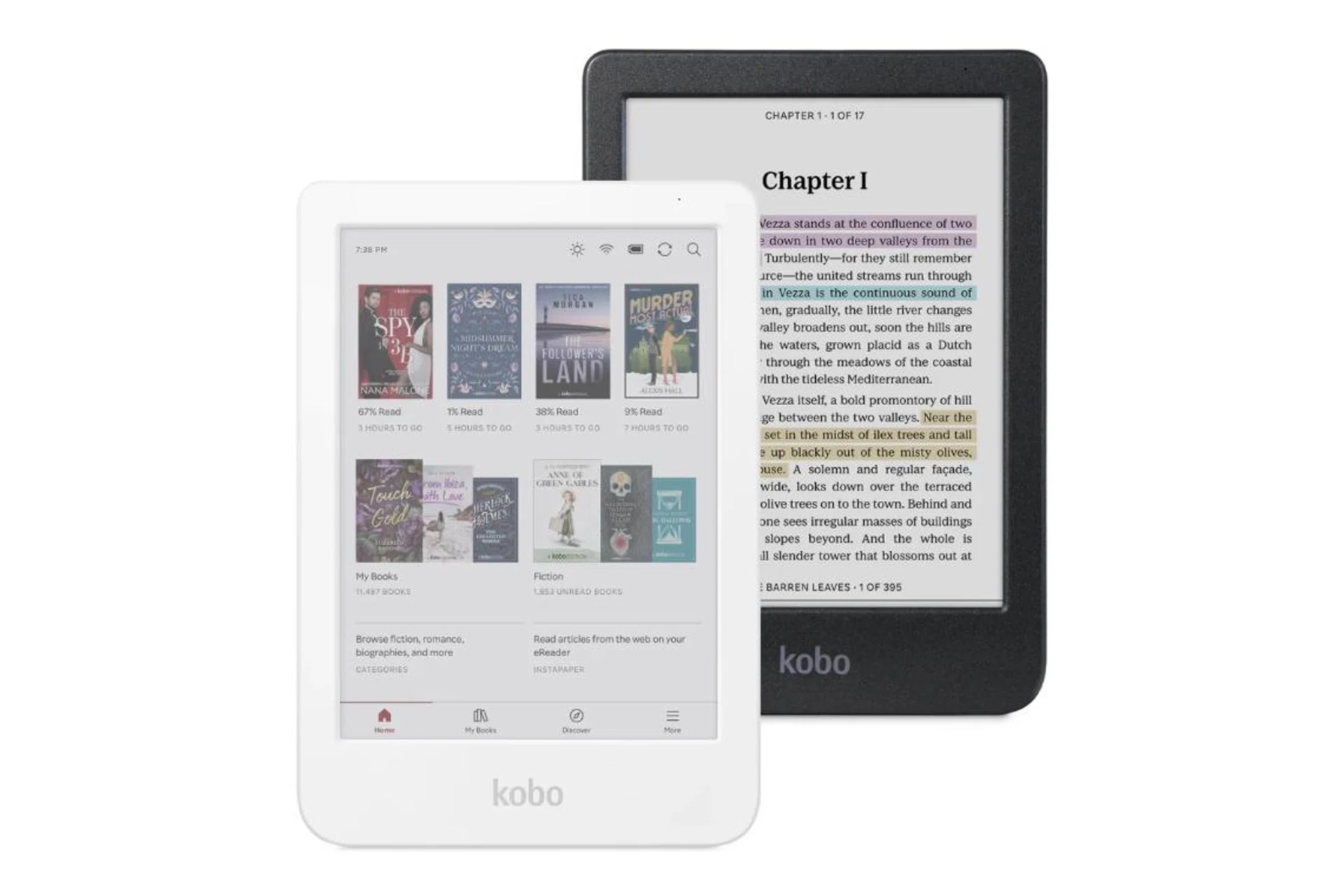
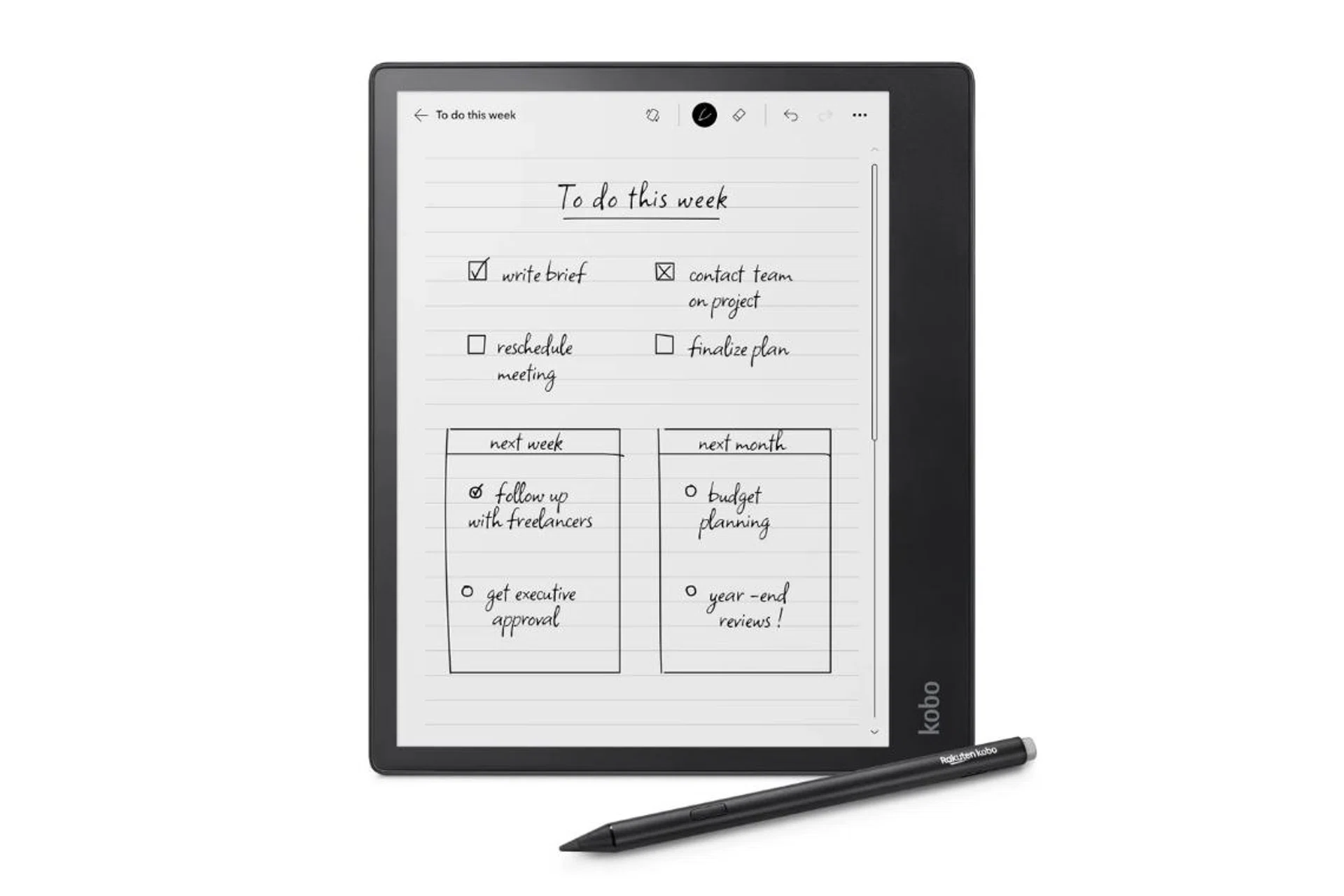
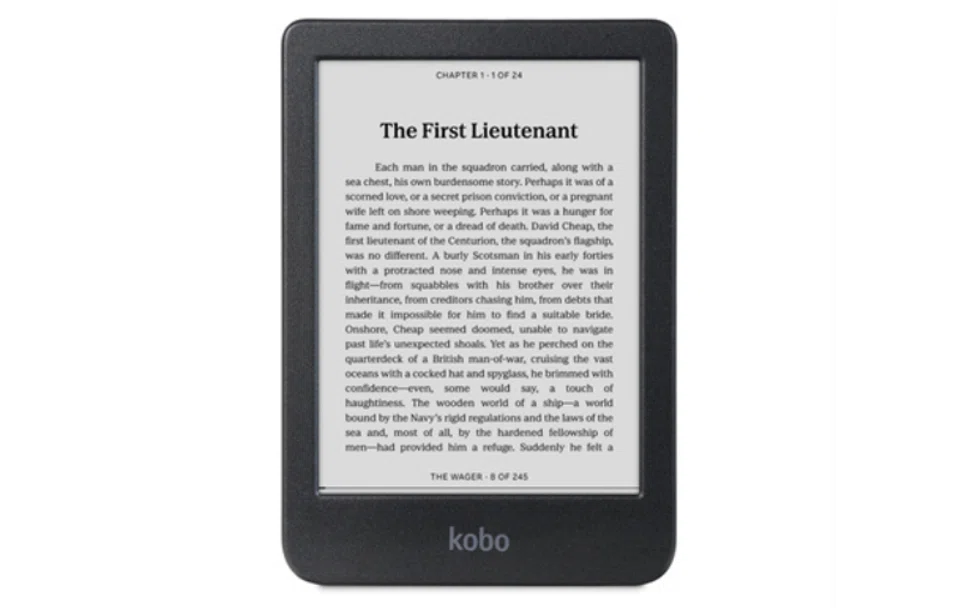
E Ink display quality is key for bookworms, especially for outdoor reading and reducing eye strain. Color E-Ink, better for comics, typically has lower resolution (150 ppi) than black and white text (300 ppi). Standard screen sizes are 6-7 inches with 300 ppi for sharp text, mirroring paperbacks for easy one-handed holding. Larger sizes exist but often serve as multimedia/note-taking devices; choose based on primary use.
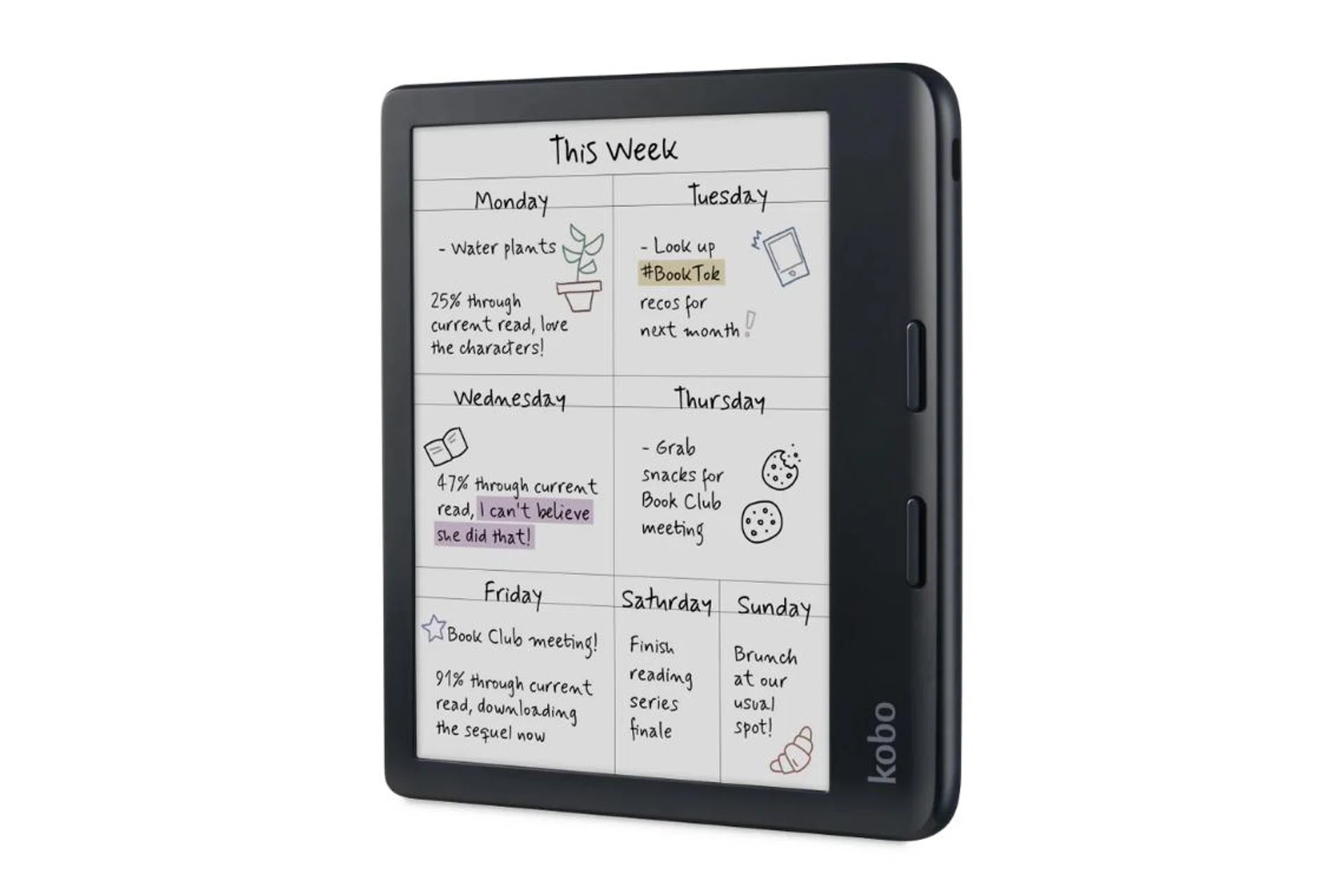
Newer e-readers feature backlights for nighttime reading, with some, like the Kobo Libra Colour, offering blue light reduction. However, E Ink’s inherent reflective design already significantly reduces blue light exposure compared to backlit LCD screens, making the backlight feature a secondary consideration.
Features
- Waterproofing: Waterproofing (like the IPX8 rating on the Kindle International Edition and Kobo Clara Colour) is valuable for reading near water, such as by a pool or at the beach.
- Battery life: E-readers have impressive, weeks-long battery life due to power-efficient E Ink screens. E-ink displays are bistable, meaning they only use power to update the image; once the image is set, it stays in place without consuming additional power.
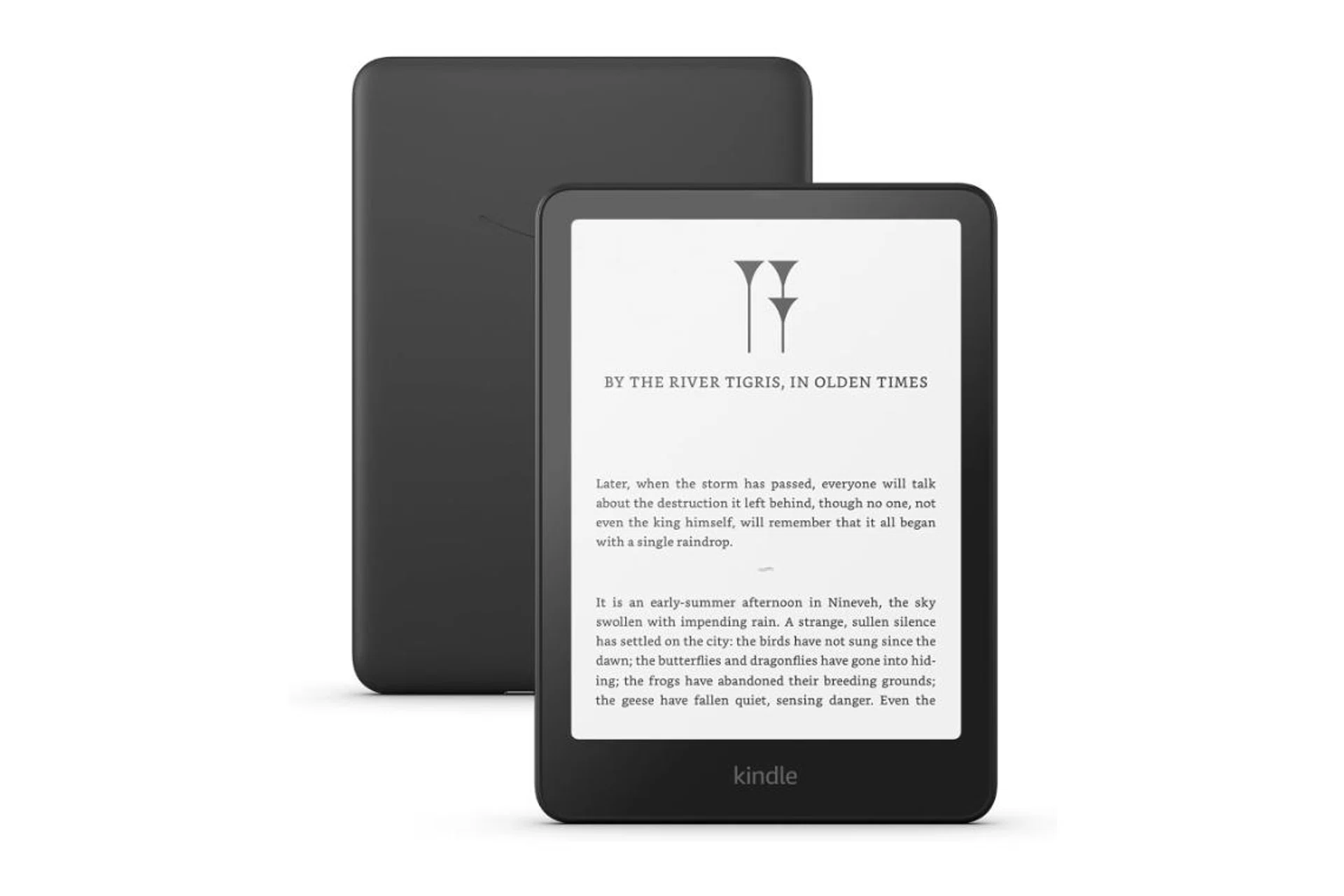
- Storage: E-readers easily store thousands of ebooks, which are compressed text. The Kindle International Edition and Kobo Clara Colour offer 16GB of storage, while the Kobo Libra Colour provides 32GB. Running out of books during holidays is unlikely due to the small file size of compressed text. The larger storage capacity can also be useful for storing PDF files.
- Ergonomics: E-readers, like the Kindle International Edition, mostly use touchscreens, but models like the Kobo Libra Colour also feature physical page-turn buttons. Preferences vary: some value the tactile buttons, while others favour the simpler touchscreen interface.
What’s new with Kindle in 2025–2026
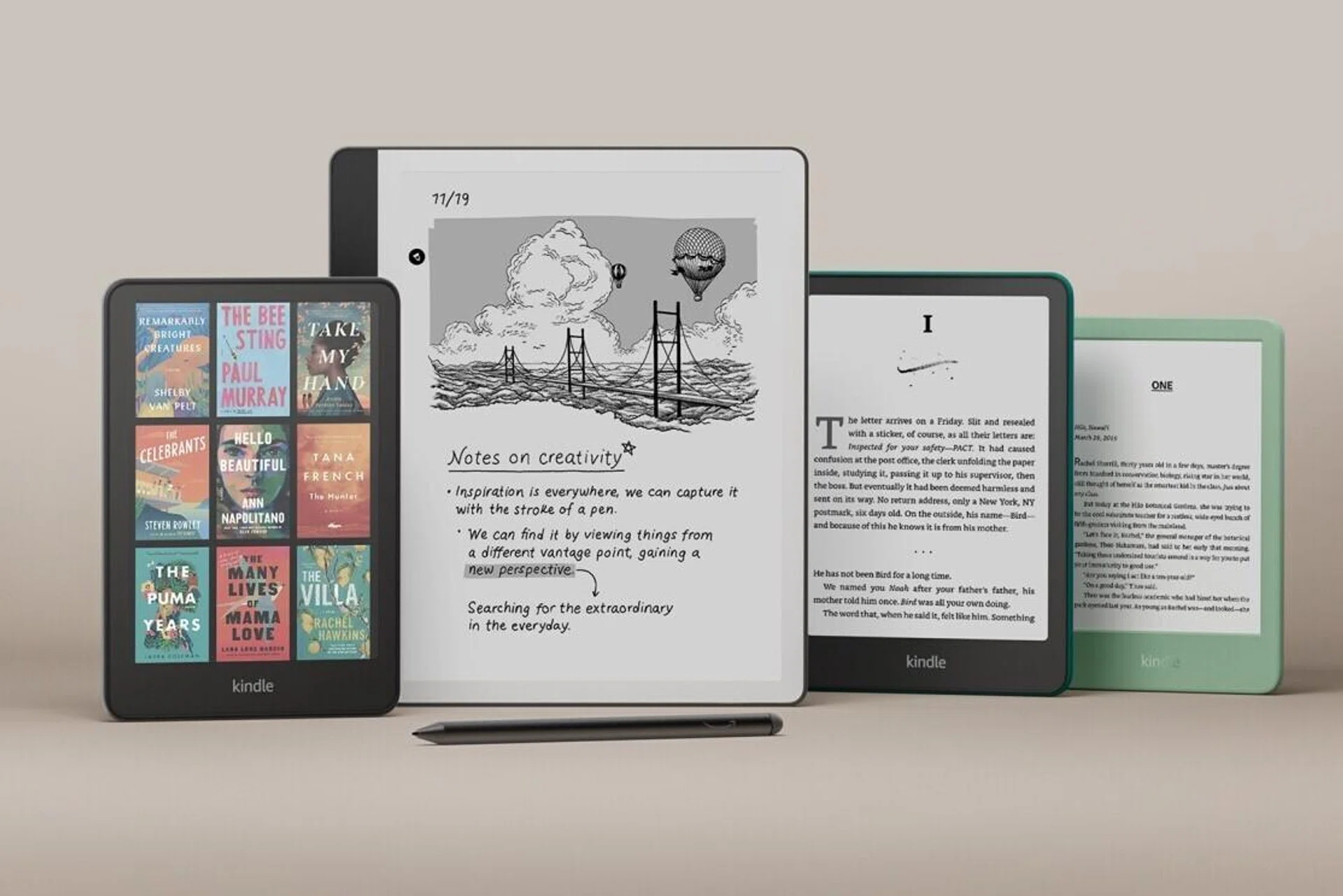
Image: Amazon
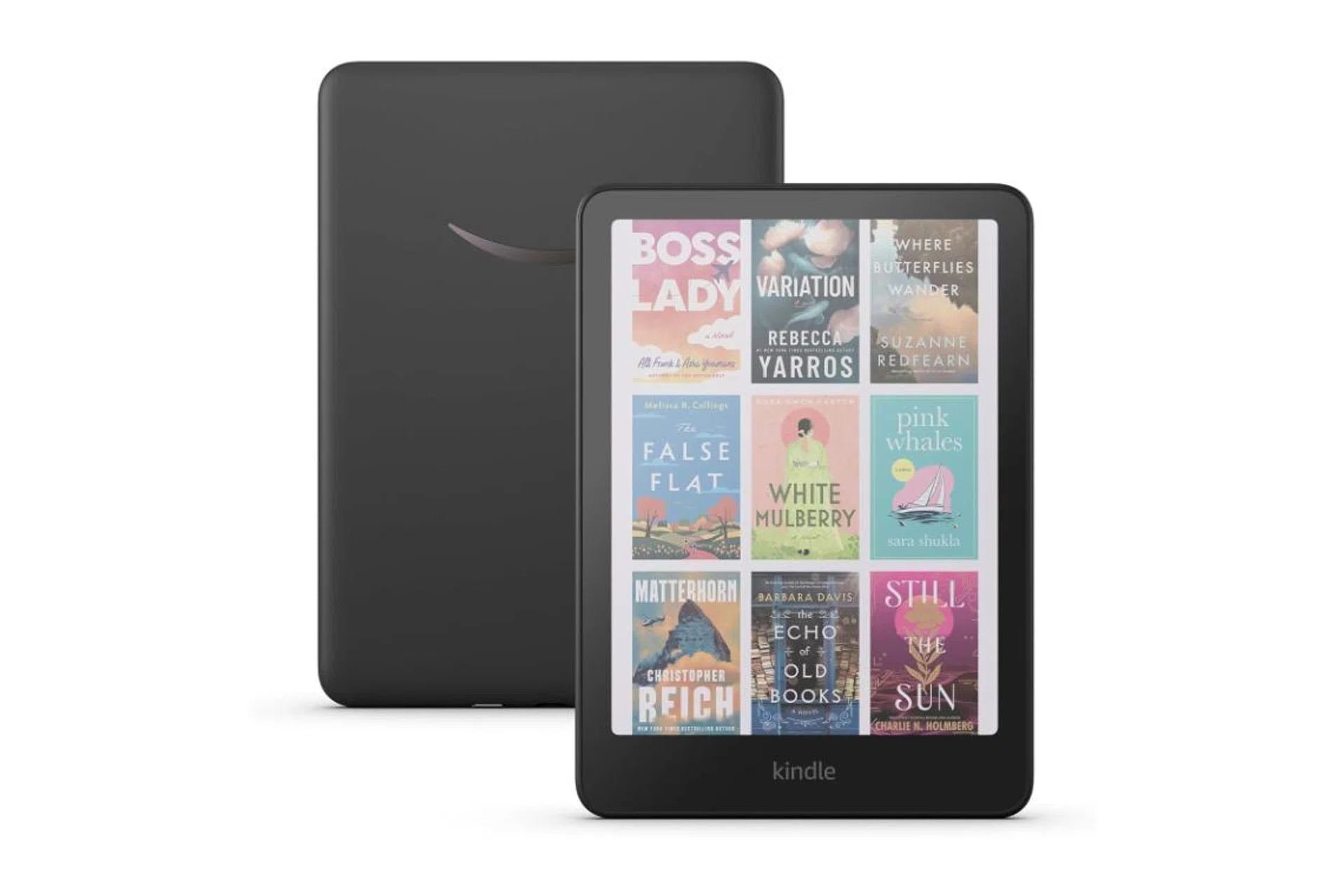
The headline update is the Kindle Scribe Colorsoft, which adds colour to Amazon’s largest e-reader. This makes it more appealing for reading comics, textbooks and documents with charts, while retaining the paper-like qualities e-ink is known for. The Scribe range has also become thinner and lighter, with improved handwriting responsiveness for note-taking.
Across the Kindle lineup, Amazon has rolled out expanded text customisation options, including finer control over line spacing, word spacing and character spacing. These updates improve accessibility for readers with visual strain or dyslexia, a useful upgrade for long reading sessions.
For users, Kindle’s strength remains its tight integration with Amazon’s store and Kindle Unlimited subscription. Unfortunately, the subscription doesn’t seem to be available for the local Amazon.sg store, but you can sign up to Amazon.com for it. Purchases sync instantly across devices, and delivery is seamless even though hardware availability here often lags the US by a few months.
However, Kindle still does not support EPUB files natively. Sideloading MOBI files requires conversion, which may be a drawback for readers who source books outside Amazon’s ecosystem.
What’s new with Kobo in 2025–2026
The introduction of the Kobo Clara Colour and Kobo Libra Colour brought colour e-ink to Kobo’s mid-range devices, making illustrated books, highlights, and annotations more visually useful without sacrificing battery life. These models sit comfortably in the S$200 to S$300 range in Singapore, keeping colour e-ink relatively accessible.
Kobo has also expanded beyond books. Instapaper integration allows users to save articles and long reads from the web and read them offline, turning Kobo devices into a more general reading companion. Rakuten Kobo, a digital retailer and publisher, launched its all-you-can-read book subscription service, Kobo Plus, in 2025.
Native EPUB support remains one of Kobo’s strongest selling points. Local users who borrow eBooks, sideload purchases, or access regional libraries find Kobo far less restrictive than Kindle. Kobo’s OverDrive support also works well with international library systems, which is useful for frequent travellers.