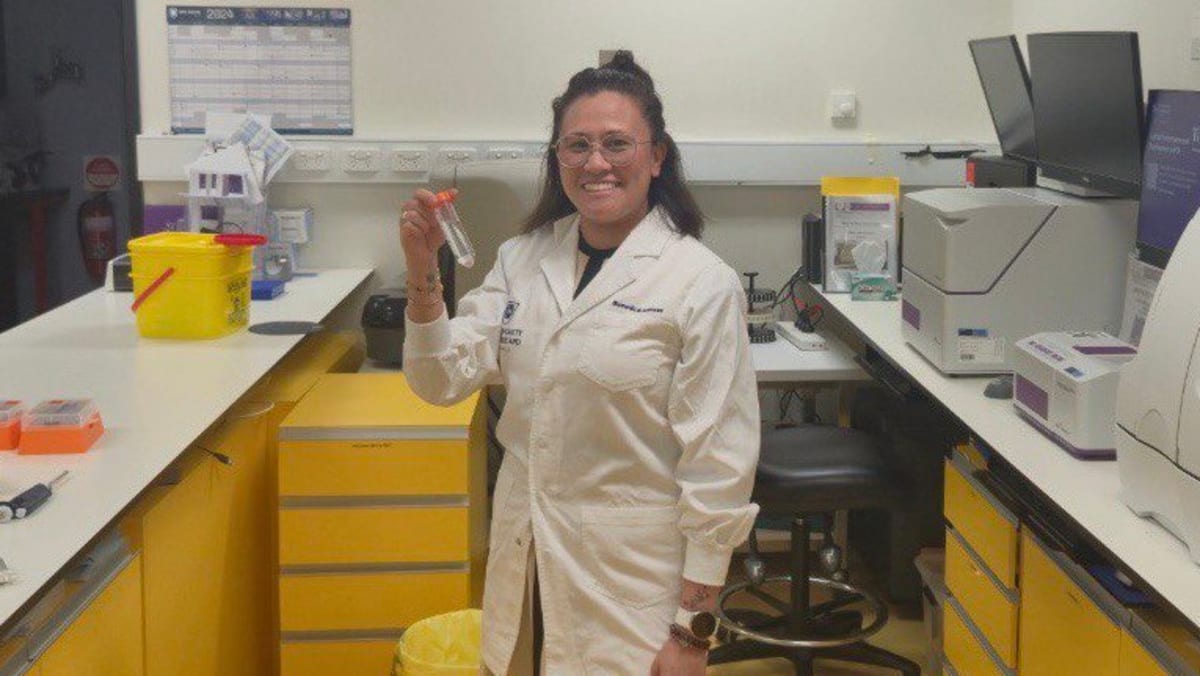
This blood test is designed to detect which women are at risk of postpartum depression, not diagnose it, she clarified. Families can then arrange for more support, and also seek diagnosis and treatment earlier should symptoms come up, she added.
The remaining variance of 9 per cent is likely due to biological predictors that have not yet been identified, as well as social factors such as support and sleep, she explained.