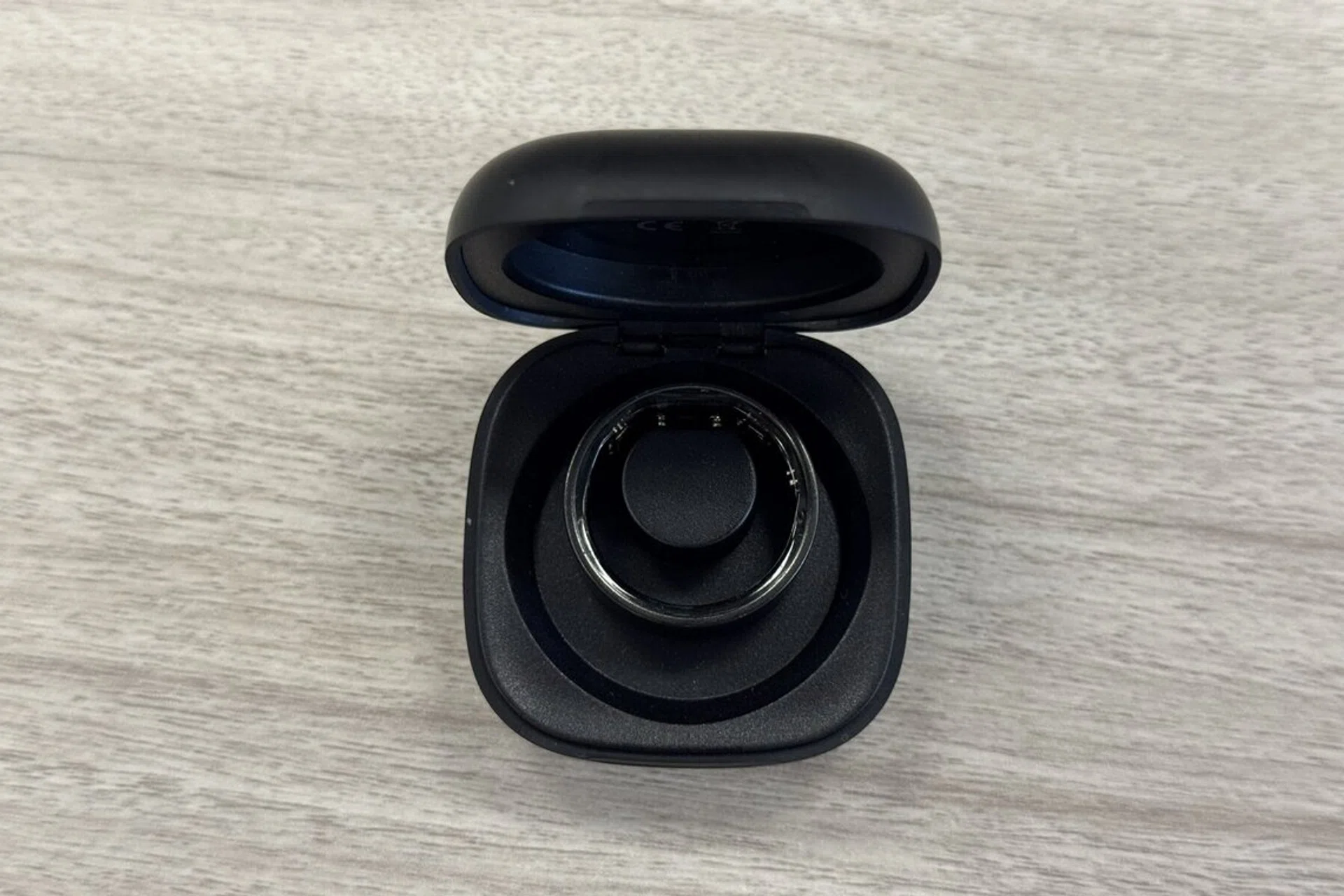
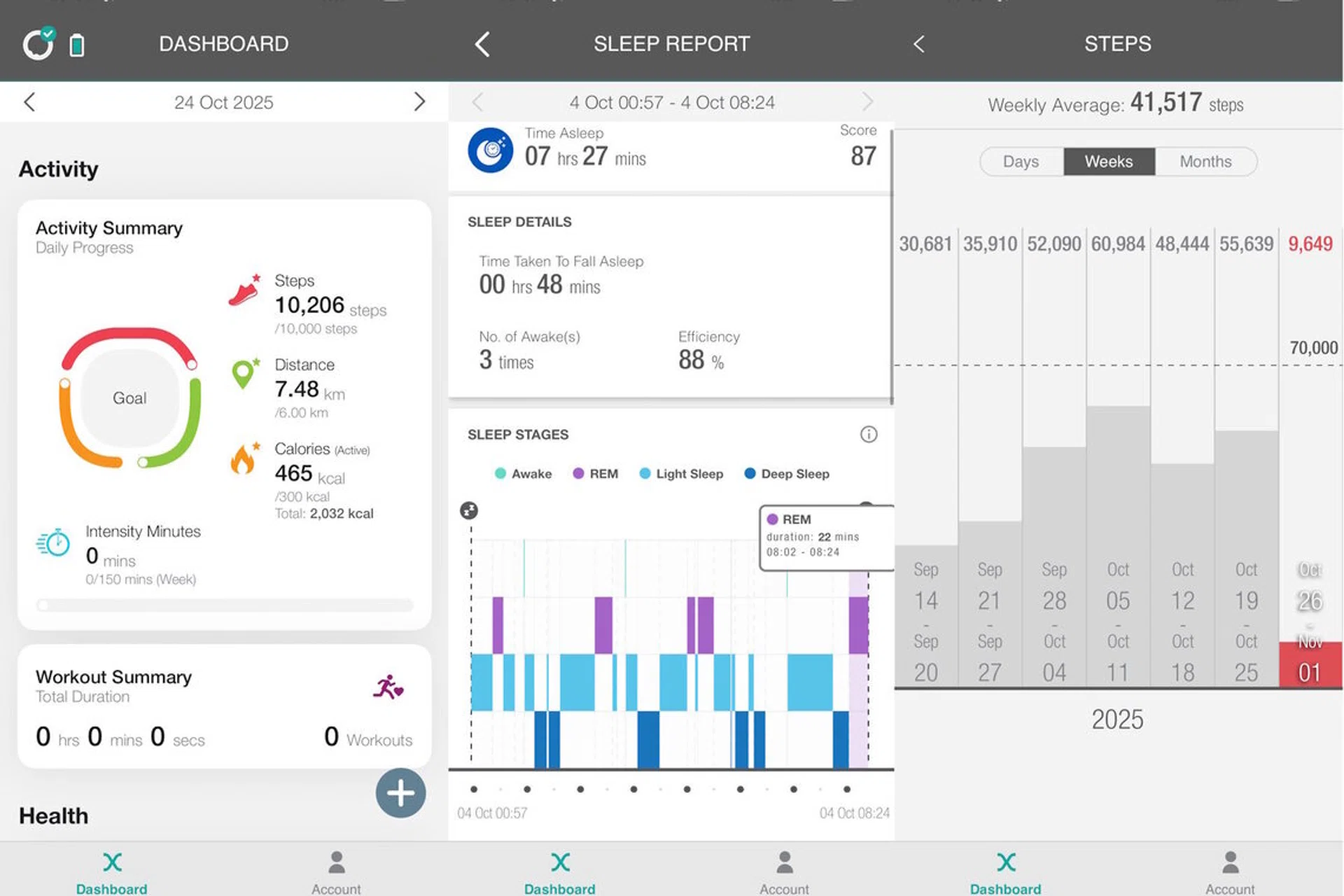
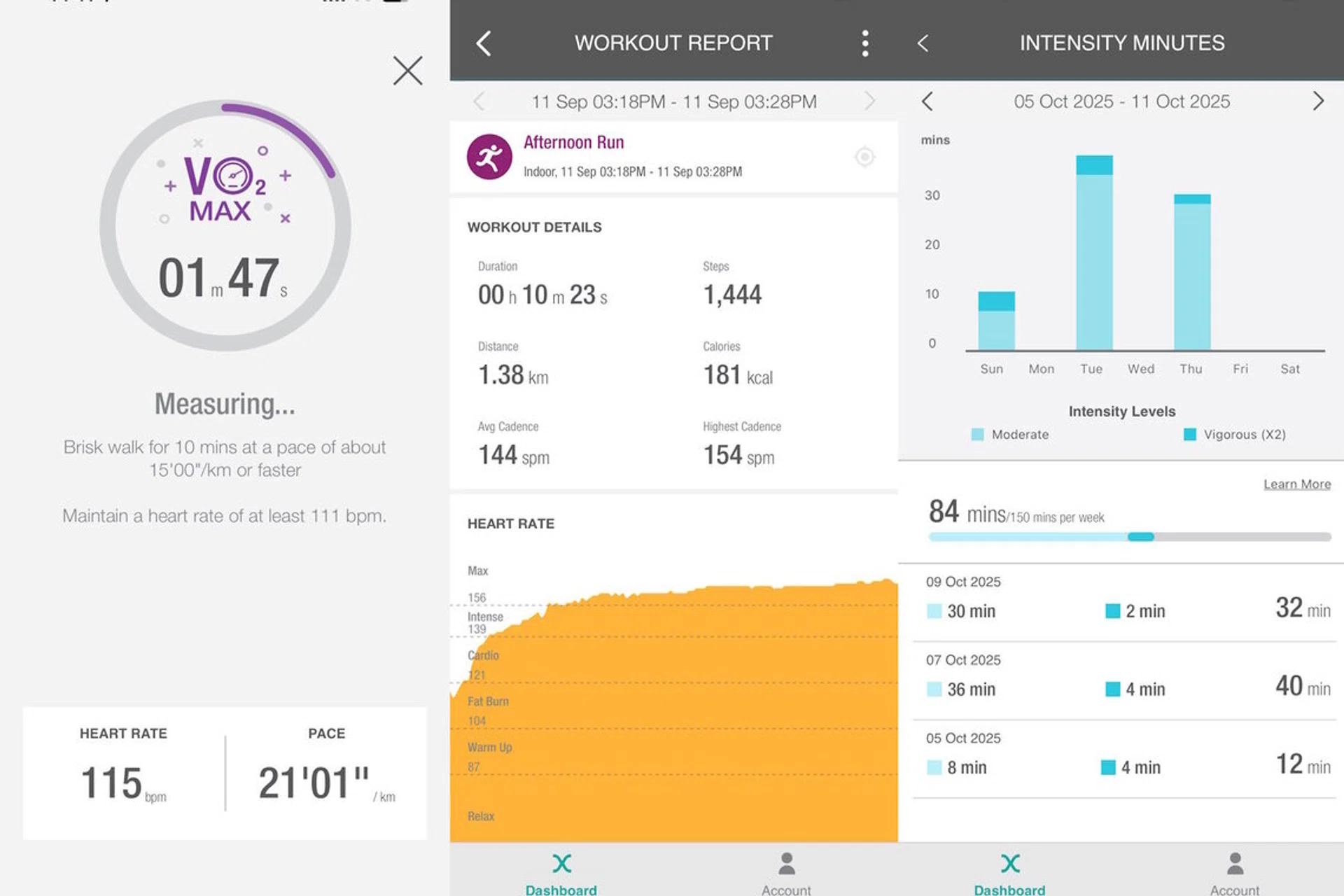
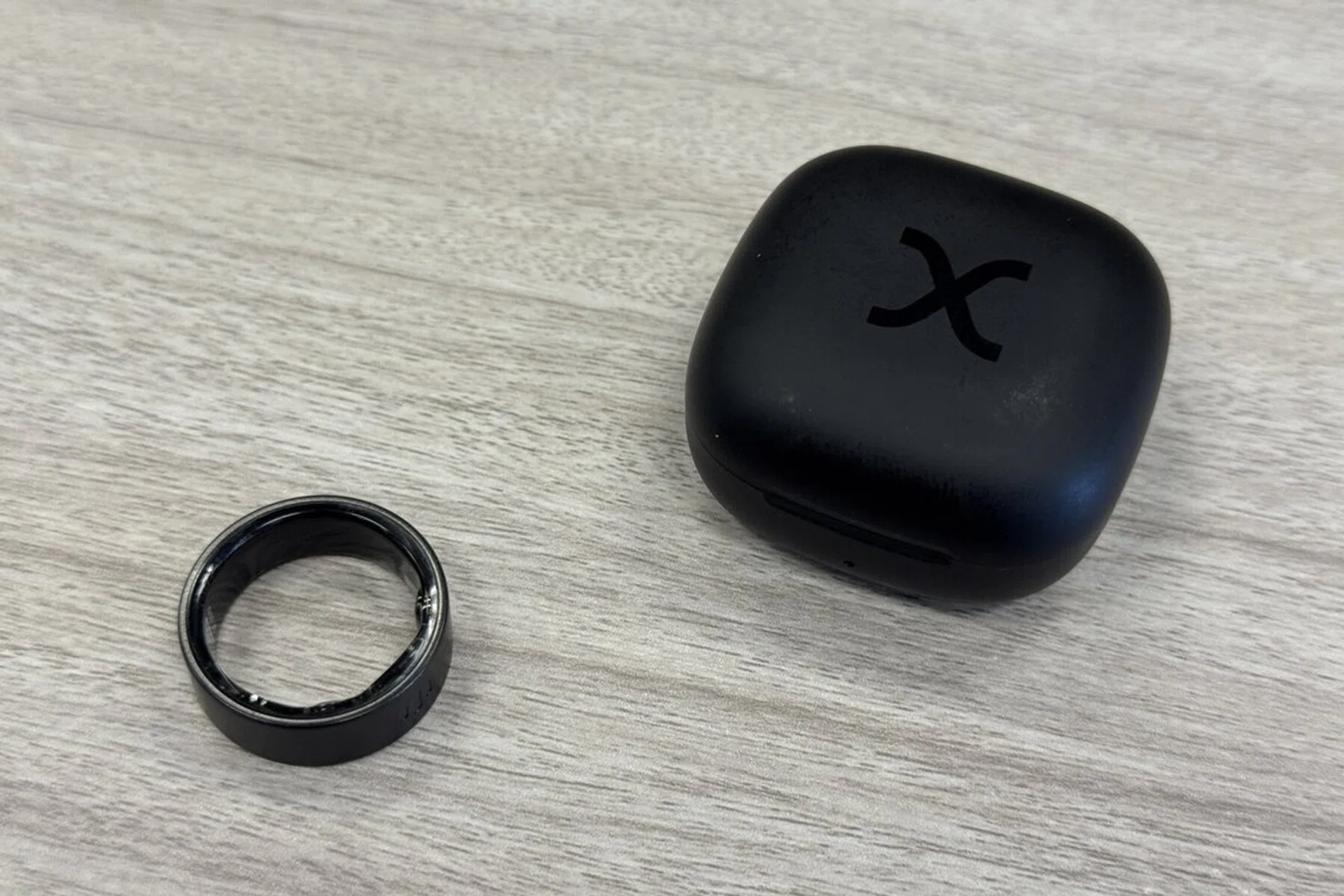
I wrote about the Actxa Core smart ring when it was first announced, and I was genuinely excited because of a unique feature called BGEM (Blood Glucose Evaluation and Monitoring). BGEM is the world’s first non-invasive, AI-powered diabetic risk assessment technology developed by Actxa, making the Core smart ring the first consumer wearable to feature this technology.
Diabetic Risk Assessment Capability
Prior to this, BGEM had undergone a joint study with KK Women’s and Children’s Hospital that’s published in the Singapore Medical Journal titled, “Utility of photoplethysmography in detecting elevated blood glucose among non-diabetics”. There have also been other international clinical trials as well as a published scientific paper titled, “Assessing Elevated Blood Glucose Levels Through Blood Glucose Evaluation and Monitoring Using Machine Learning and Wearable Photoplethysmography Sensors: Algorithm Development and Validation”.
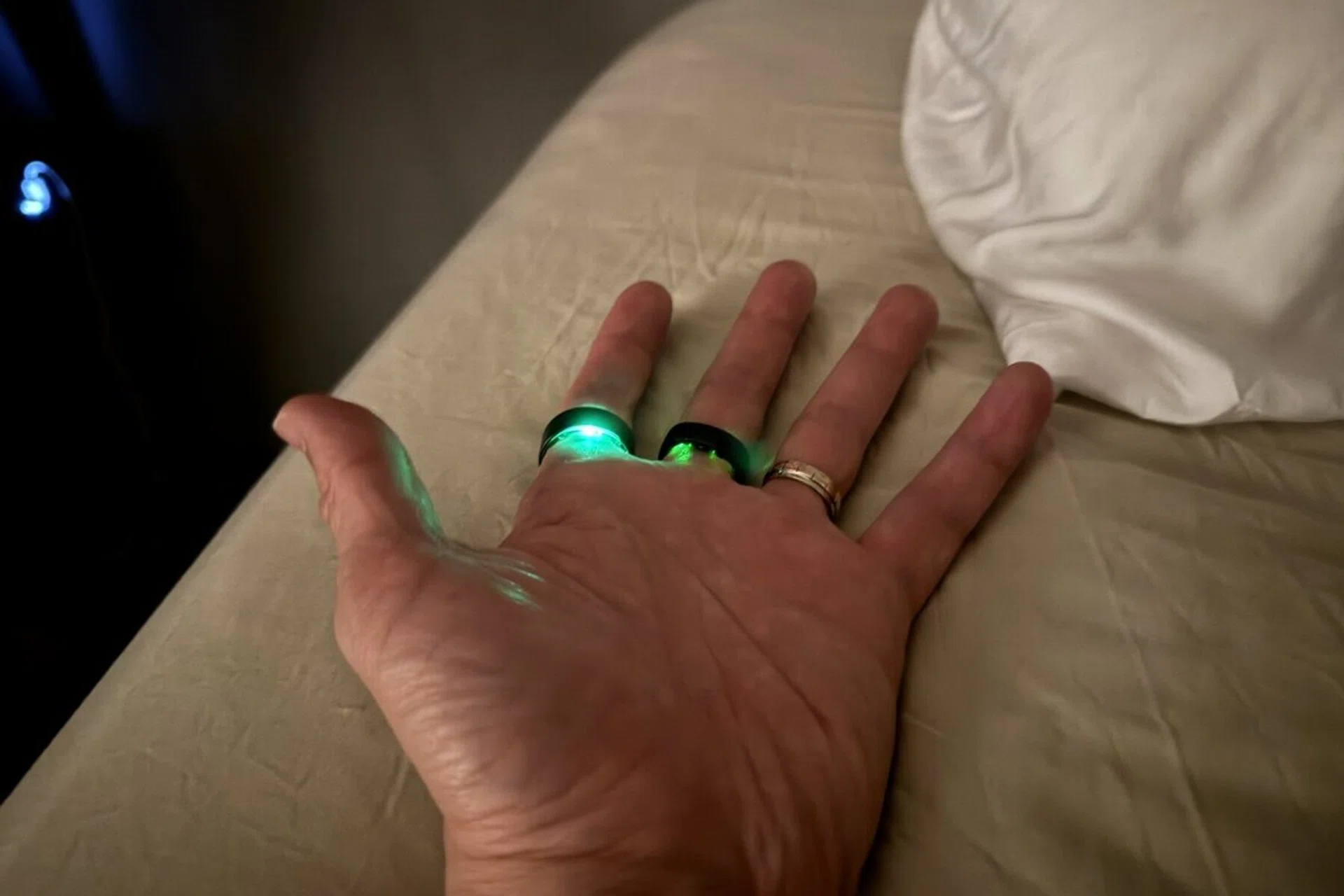
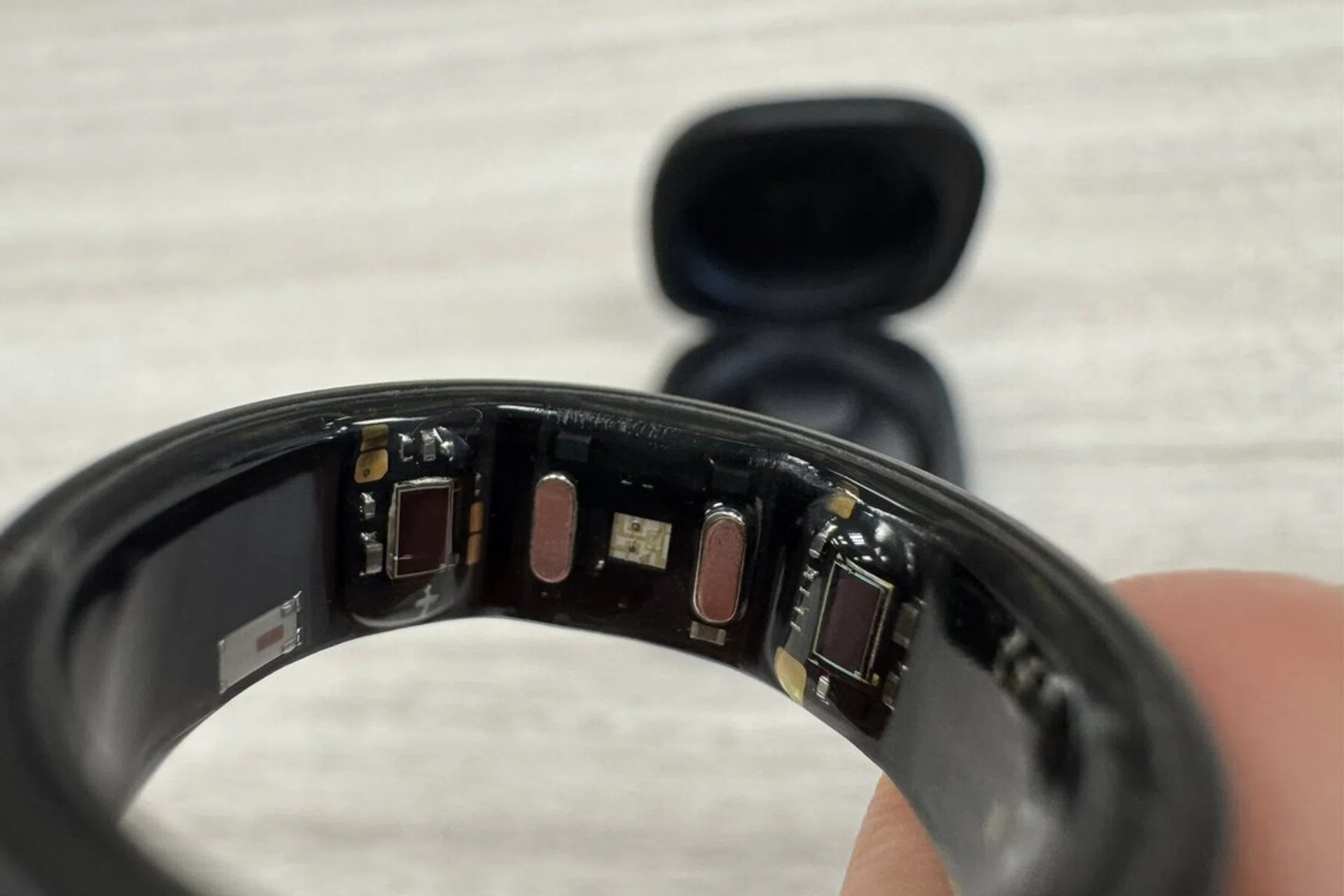
BGEM makes use of the standard PPG sensor of most wearables (the active optical sensor you often see on the back of these devices) and uses Actxa’s proprietary AI model to compute certain biomarkers to determine user diabetic risk. Among the now-mature smart wearable market, BGEM was a breath of fresh air.
I’ve written about wearables and advancing sensor technology in past reviews, where actionable data is more important than another cryptic stat (for reference, check out my Amazfit Balance smartwatch review). BGEM provides a simple, clear result that can be acted on immediately. It is a feature that’s relevant to the broadest possible audience: everyone. We’re all susceptible to diabetic risks, and with early detection, a condition that can be managed and even reversible through healthy living, diet and exercise.
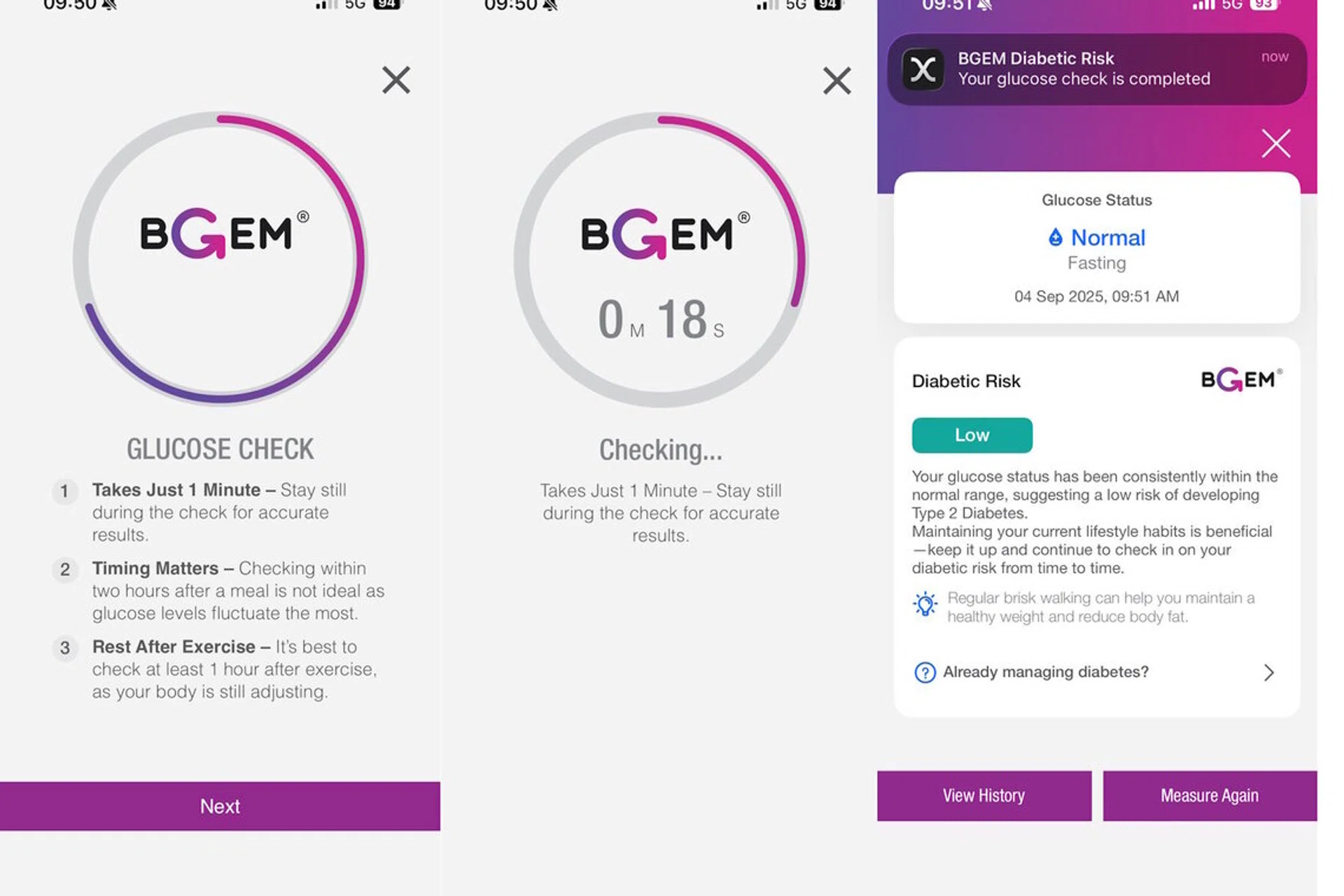
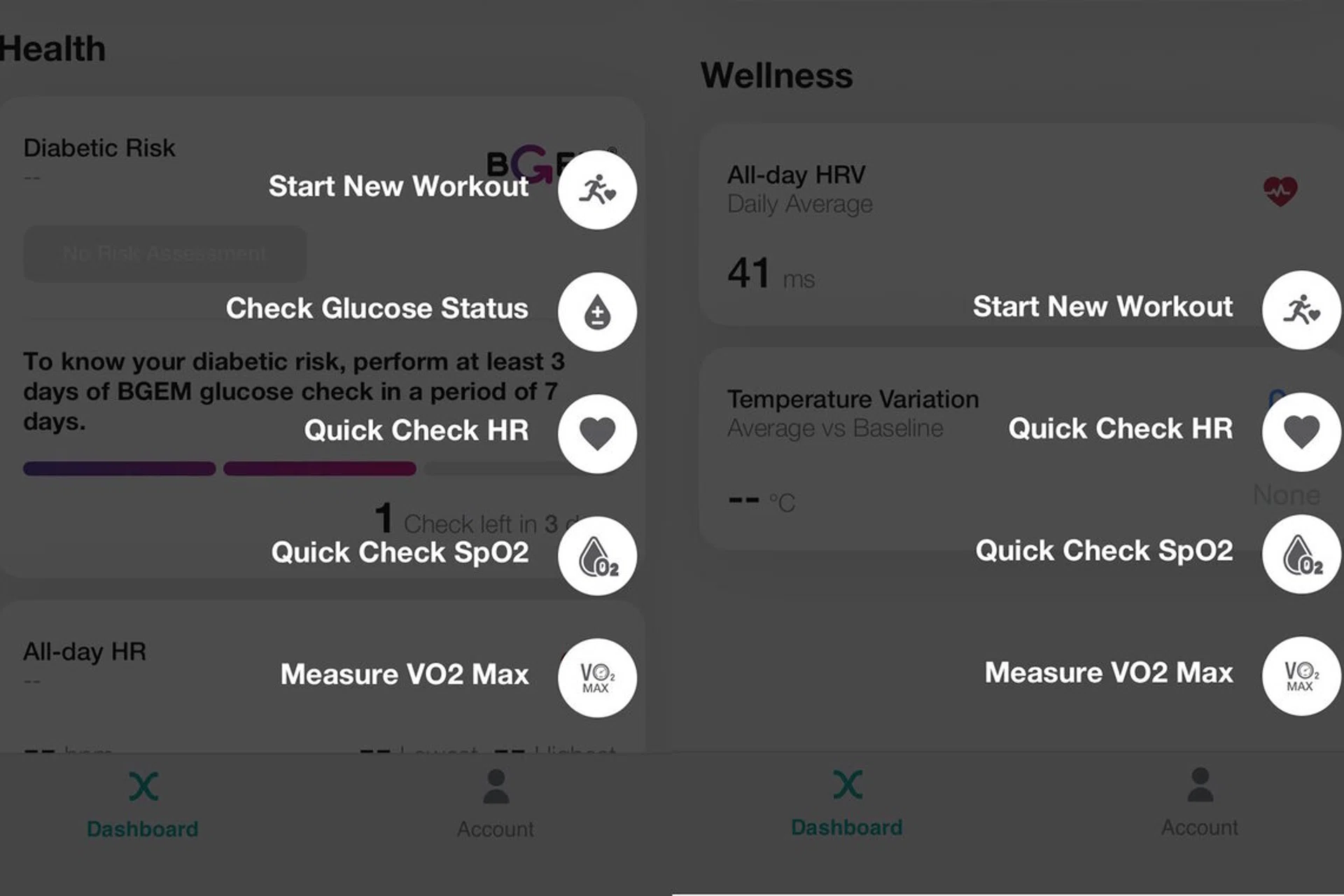
BGEM testing on the Actxa Core smart ring.
Screenshot: HWZ
To start, you simply the BGEM test from the Actxa app 3 times within a 7-day window. As with any blood glucose test, it’s best you do it in a fasted state, but if you’re in doubt, the app provides all the necessary guidance. The test itself is simple since it’s non-invasive and takes only a minute to complete. After three tests, you’ll get your risk assessment results, and it’ll simply tell you if you are Low or High Risk.
If you’re at risk, go see a doctor immediately, stick to your diet and health plan, and test regularly to keep yourself in check.
Now here’s the bad news. Like any medically inclined function, BGEM is deemed to require regulatory approvals, and as such, it is unfortunately not available in Singapore when the Core smart ring was made available for purchase (late August 2025). I’ve actually delayed this review for a while just to see if there are any developments, but so far, no luck. If anyone remembers when smartwatches first started to feature atrial fibrillation (AFib) through ECG readings, it took years to approve. Let’s hope BGEM doesn’t take that long, especially as it was developed locally with local clinical studies.