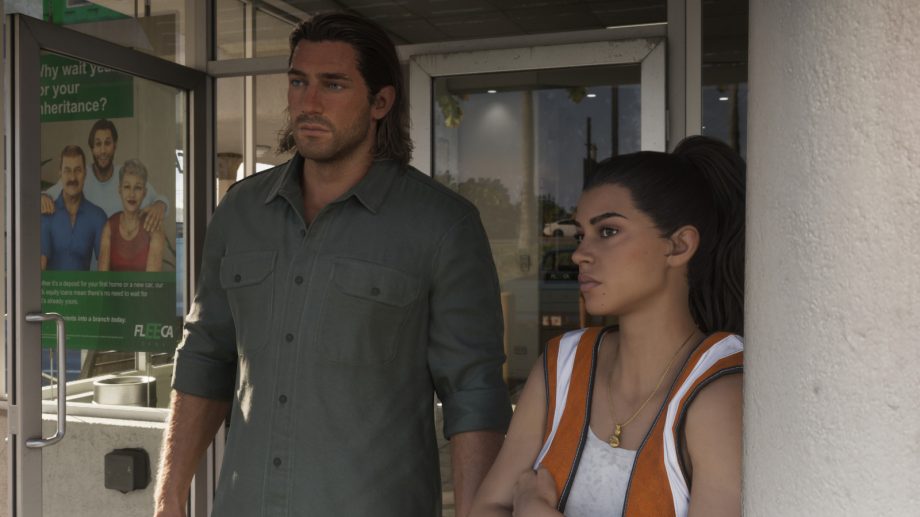
Even when they were well written, every GTA story has ultimately been about solving your problems with the accumulation of wealth. But Grand Theft Auto 6 specifically focuses on the systemic issues that make any version of the American Dream — saving money, buying a home and supporting a family with a fulfilling job — incredibly difficult for people living on the margins of society. The crushing weight of capitalism is always pressing down on you, just like in the real world.
Lucia Caminos committed an ill-conceived robbery, is subsequently sent to jail and is forced to claw her way back into civilian life with little support. Jason Duval joined the Army to escape his troubled youth and ends up serving as muscle for a small-time criminal. Much like the real Bonnie and Clyde, Lucia and Jason are driven by the need to escape poverty, but it’s up to you to determine if they’ll share a similar end.
I only have around 12 hours of GTA 6 under my belt so far (it’s estimated to take around 50 hours to beat, and hundreds of hours to fully complete), but Rockstar clearly frames why our lead characters pursue a life of crime: beyond the generational poverty and lack of upward mobility, Lucia and Jason are also trying to build enough stability to reclaim custody of their infant son.
 Devindra Hardawar for Engadget.
When she decides to stick up a payday loan store (the existence of which is inherently predatory against low-income people), she’s doing it to feed her kid, afford diapers and survive as a single mother. (Jason isn’t aware of him at that point in the story.) It’s hard to imagine Lucia making such a desperate decision if she had enough social support. But of course, that’s not the American way.
Six months worth of baby formula costs upwards of $2,700 in the US,, whereas it’s just $759 in the UK. And while America ranks fifth when it comes to the affordability of diapers changes worldwide, that’s still around $1,200 a year — a significant cost for poor families. Lucia is lucky that her infant son is placed into kinship care with her aunt, instead of general foster care. Many kinship caregivers receive foster stipends to support their charges, and fostered children also receive Medicaid for free and low-cost healthcare. Ironically, biological parents don’t get automatic state support for their kids, and Medicaid eligibility depends on the family’s income.


Read Full Article At Source