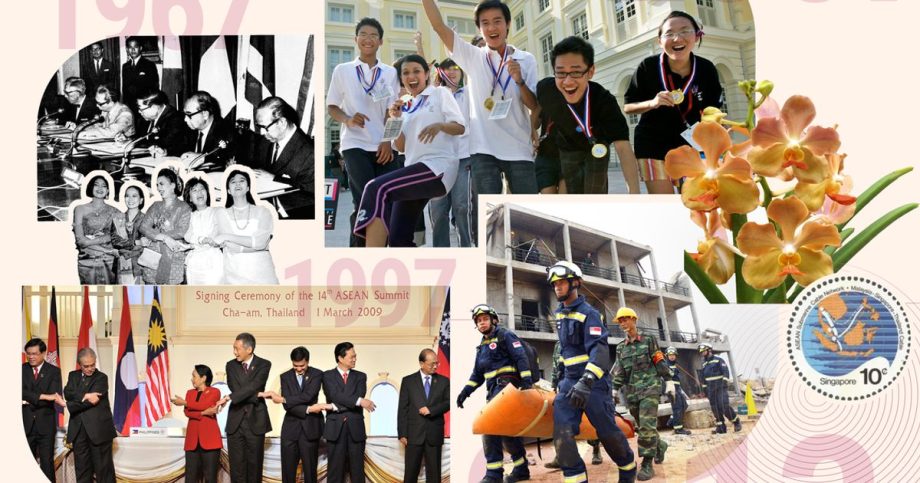
In August 1967, five men left the heat of Bangkok for a Thai seaside resort called Bang Saen: Adam Malik of Indonesia, Narciso Ramos of the Philippines, Tun Abdul Razak of Malaysia, S. Rajaratnam of Singapore and their host, Thanat Khoman of Thailand.
There they traded suits for sports shirts, candid conversations and rounds of golf. Rajaratnam did not play golf, but diplomacy was never confined to the fairway.
The mood was more cautious than warm. Indonesia’s confrontation with Malaysia had ended a year earlier. Malaysia and the Philippines were at odds over Sabah. Singapore had been independent for just two years, and Thailand had the Vietnam War on its doorstep.
Years later, Rajaratnam would describe what had brought them there with startling honesty. The Association of Southeast Asian Nations (ASEAN), he said, “was born out of fear rather than idealistic convictions about regionalism”.
The men at Bang Saen were not romantics. They were pragmatists who had worked out that a habit of talking would cost far less than a habit of fighting.
As Singapore prepares to chair ASEAN in 2027, explore the key milestones that have shaped the region through this interactive timeline.
A promise to keep talking
Days later, on Aug 8, 1967, the five signed the Bangkok Declaration. It promised greater economic and cultural cooperation and social progress, and said the region’s future should be shaped by its own people.
ASEAN’s early days were measured in meetings. The founding members met, then met again. Initial wariness slowly gave way to familiarity. They learnt one another’s red lines, when to push and when to hold back, and grew used to asking what their decisions meant for neighbours.
By February 1976, those years of repeated engagement brought the five heads of government to Bali for ASEAN’s first summit, putting the authority of national governments firmly behind the grouping.
There, they signed the Treaty of Amity and Cooperation and the Bali Concord, giving ASEAN clearer ground rules: respect one another’s sovereignty, avoid interference, settle disputes peacefully and deepen cooperation beyond diplomacy.
A decade later, the formality and distance that marked those early meetings had begun to ease. During a 1978 trip to Bonn, the ASEAN foreign ministers were invited to a black-tie dinner. All five turned up in business coats and ties after learning that Rajaratnam had not packed for the occasion. Their German host remarked on their camaraderie and solidarity.


Read Full Article At Source