Singapore’s next-generation Electronic Road Pricing (ERP 2) system will give the authorities another tool to track vehicles and support criminal investigations from January 2027. Information collected through motorists’ on-board units (OBUs) can be used to help prevent, detect, and solve crimes.
The announcement was made in Parliament on 3 November 2026 by Senior Minister of State for Home Affairs, Goh Pei Ming, who confirmed that the Home Team intends to use ERP 2 data for law-enforcement purposes.
For motorists, this raises familiar questions about how much information the Government can collect and who can access it. The announcement also brings back memories of the TraceTogether controversy during the COVID-19 pandemic, when the use of personal data for criminal investigations sparked public concern.
ERP 2 OBU data to become another tool for the police.
Goh said the Home Team expects to use ERP 2 data from January 2027 to prevent, detect, deter, and solve crimes.
Responding to a parliamentary question from Nee Soon GRC MP Jackson Lam, Goh explained that Home Team agencies are legally authorised to obtain information from various sources, including sensors, for investigations.
Under Section 20 of the Criminal Procedure Code, the police can order the production of documents or other material considered necessary for an investigation, inquiry, trial or other proceeding.
Goh added that ERP 2 information would be subject to existing legal and data governance safeguards. Police will retain vehicle-specific information only for as long as necessary to complete an investigation or relevant court proceedings.
This effectively makes the OBU, originally introduced for Electronic Road Pricing, another potential source of evidence for criminal investigations. 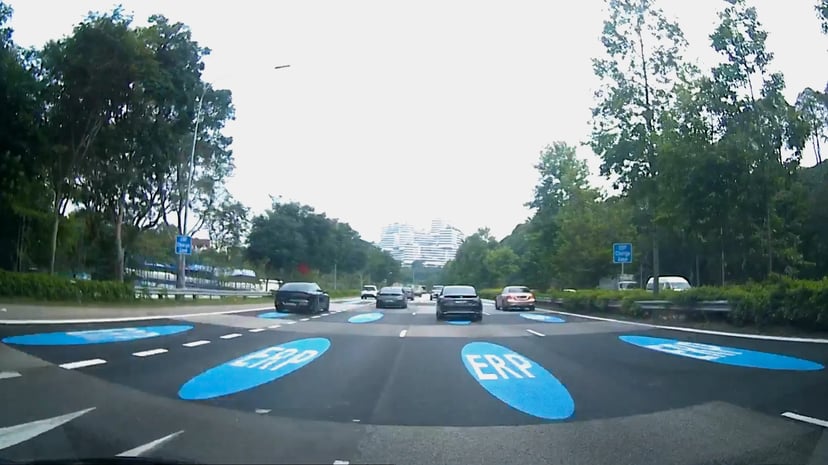
How does ERP 2 track vehicles?
Unlike the existing ERP system, which relies on physical gantries, ERP 2 uses Global Navigation Satellite System (GNSS) technology to determine vehicle locations.
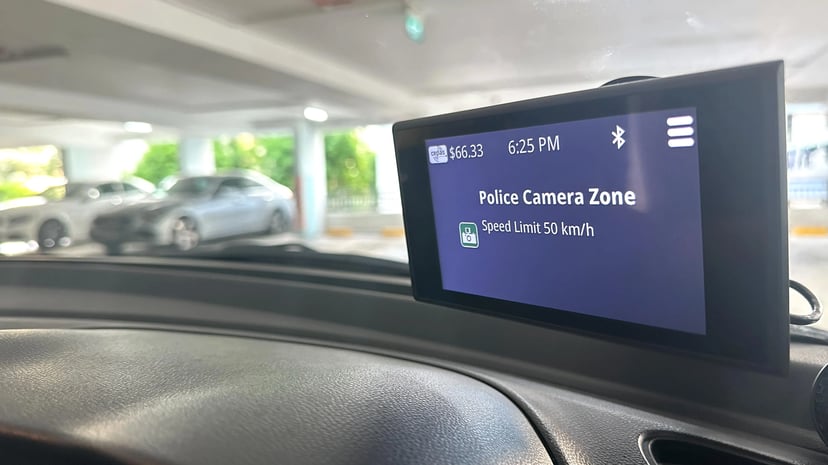
The OBU communicates with satellite positioning systems and roadside infrastructure to support road-pricing functions and other motoring services.
Senior Minister of State for Transport, Sun Xueling, explained in Parliament that individual vehicle data is aggregated and anonymised when transferred to the Land Transport Authority’s (LTA) backend system for traffic management and transport planning.
However, vehicle-specific location information can be retrieved for enforcement purposes when necessary.
Read Full Article At Source