SINGAPORE – Investigations remain open into the four companies issued legal notices under Singapore’s Transboundary Haze Pollution Act in 2015, although time has lapsed because of procedural issues, said Minister for Sustainability and the Environment Grace Fu on Nov 4.
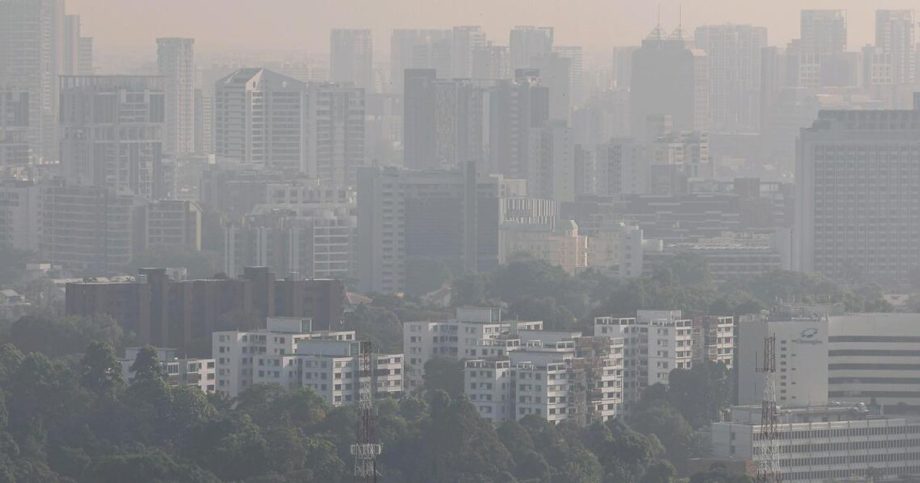
But three of these firms have also been implicated in the 2026 haze episode, and their past actions will be considered as the authorities continue their probe into the current case, she added.
Fu gave this update in Parliament on the open cases under Singapore’s haze law, during a debate on a Bill to amend the legislation.
With the changes, which were passed after a six-hour debate, the authorities here will have more tools to investigate and act against firms linked to fires in the region.
All 24 MPs who spoke up supported the amendments, although they sought clarity from the minister on a range of issues.
Many MPs, including Poh Li San (Sembawang West) and Non-Constituency MP Eileen Chong of the Workers’ Party, asked why it took 11 years to strengthen the law.
Poh also asked about the timeline of investigations and enforcements this time, since the amendments will not apply retroactively with the ongoing four cases.
Fu said the amendments are intended for the Government to take quick action, either through legal or economic levers. “So I hope that we have a much faster resolution of the cases,” she said.
Lee Hui Ying (Nee Soon GRC) and Jessica Tan (East Coast GRC) were among the MPs who wanted to know how the authorities determined whether fires abroad would pose a risk of haze to the Republic.
Before the amendments kick in, the Act can be triggered if the haze causes the Pollutant Standards Index – a measure of air quality in Singapore – to stay in the unhealthy range in any part of the country for 24 hours or more.
But with the changes, the scope of the law will be expanded to include the risk of haze. This means entities can be held responsible as long as they cause or contribute to overseas fires that can potentially result in Singapore experiencing haze, even if the smoke plumes have not drifted here.
In response, Fu said that proving risk will be done through judgment based on scientific and meteorological data.
If the air quality is stable and in the healthy range, and weather conditions do not indicate any risk of haze pollution in Singapore, the National Environment Agency will not have any interest or reason to act, even if there are fires, she said.
Read Full Article At Source