KUALA LUMPUR – Hasnah A.R. has spent years reaching for the same Indonesian products: Indocafe for her morning coffee, Sosro sweetened tea for a drink and Kara coconut milk for cooking.
Now, as anger grows over transboundary haze drifting into Malaysia, the 67-year-old is ready to give them up.
“I am sure those made in Malaysia are equally good,” said Hasnah, a non-governmental organisation president who plans to stop buying Indonesian products once she finishes her remaining sachets of Indocafe.
For her, the boycott is not just about the haze. It is also a response to what she sees as insulting remarks on social media, including one by Indonesian Government Communications Agency head Syahganda Nainggolan about Malaysia getting its oxygen from the country.
“If we don’t teach them a lesson, they won’t stop,” she told The Straits Times.
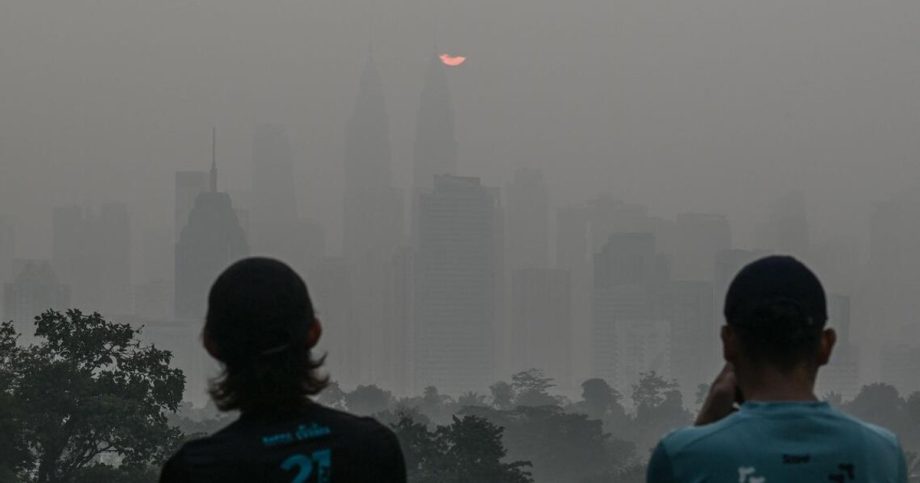
The anger comes amid a recurring regional problem: Smoke from fires in Indonesia has repeatedly drifted across borders, degrading air quality in neighbouring countries and disrupting daily life.
In Malaysia, severe haze episodes have forced school closures and caused economic losses.
Despite years of regional cooperation, the haze continues to test relations between Indonesia and its neighbours.
Hasnah’s stance reflects the frustration of Malaysian netizens, some of whom have listed Indonesian products to avoid and suggested local alternatives.
One Facebook user, Salbiah Ahamad, asked which coconut milk consumers were switching to, in response to the “oxygen” remarks. Her post attracted more than 400 comments, with many saying they would switch to local brands such as Saji or Rasaku, among others.
Another social media user, Mohd Fikri, sarcastically warned that Indonesian ministers might stop oxygen from entering Malaysia if they learnt of the boycott.
“Just boycott them. They’re so comfortable insulting us with their oxygen jokes,” wrote another commenter, Sky Ikemen.
But boycotting Indonesian products may do little to hurt the companies responsible for the fires unless consumers can identify and target them.
As frustration mounts, Malaysia is instead exploring tougher responses, from pressuring banks to cut financing to potential legal action against companies and a law modelled on Singapore’s.
The challenge is proving who caused the fires and linking them to the harm suffered across the border.
Read Full Article At Source