SINGAPORE – There is a thrill in not knowing what you are going to get when opening a blind box.
But the unboxing experience hides an ugly truth.
Each blind box you collect could be contributing to trash exceeding the volume of a typical 12-storey HDB slab block – what was estimated to have been generated from almost $2.6 billion in revenue by blind-box maker Pop Mart in the first half of 2025.
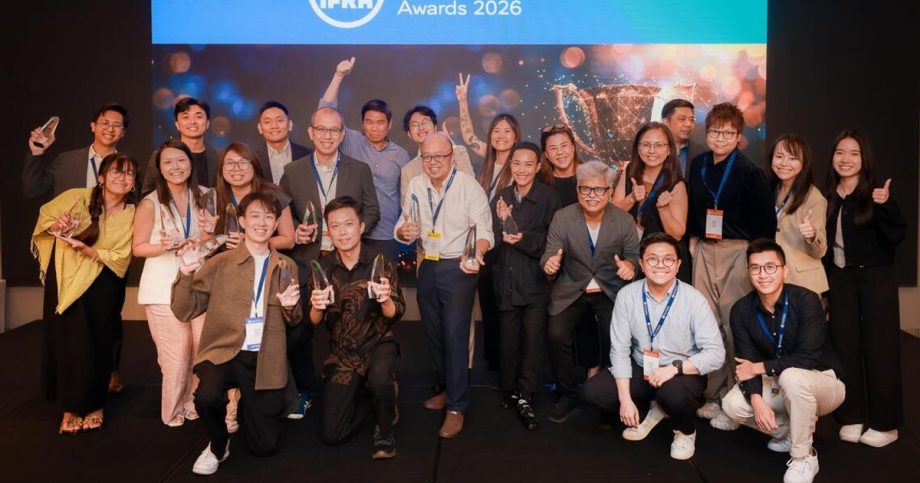
A Straits Times interactive story that highlights this won gold for Best Climate Impact Story and silver for Best Climate Infographics at the WAN-IFRA Asian Media Awards 2026, held at Conrad Singapore Orchard hotel on Oct 26.
All in, The Straits Times swept up five golds and seven silvers at the awards, which are organised by the World Association of News Publishers (WAN-IFRA).
The awards aim to recognise outstanding achievements in journalism, visual storytelling, audience engagement, business innovation and media leadership.
“This year’s winners demonstrate the creativity, dedication and impact of the region’s news media, from reporting that brings important issues to light to initiatives that connect with communities and build sustainable businesses,” said WAN-IFRA.
ST’s interactive story – titled The Thrill Lasts Seconds, The Trash Lasts Forever – features a virtual blind-box simulator where you attempt to get all seven Labubus in the Have A Seat collection.
It then calculates how much you have spent, and its environmental impact.

The Thrill Lasts Seconds, The Trash Lasts Forever – features a virtual blind-box simulator where you attempt to get all seven Labubus in the Have A Seat collection.
PHOTO: ST DIGITAL GRAPHICS
Charlotte Tan, a digital graphics designer who worked on this story, was glad her team’s efforts were recognised.
She said: “We felt that the thrill consumers get from pulling a mystery item can drown out thoughts of its waste and the money spent, so we wanted to bring attention to that.
“There was a lot of thought put into the research, the interactivity and the visuals from a big picture to the smallest of details.”
Another ST visual story that bagged two awards looked at how noise affects homes – No Quiet At Home: The Reality Of Living With Singapore’s Traffic Noise.
Over a period of six months, ST recorded more than 100 hours of audio in 25 homes near airports, major roads, and MRT lines.
It found that many homes experienced noise levels that, if sustained daily, would exceed both the World Health Organisation (53dB) and Singapore’s National Environment Agency (57dB) safety thresholds.


Read Full Article At Source