It’s easy to think the Covid-19 pandemic started Singapore’s home-based business boom. At the time, with nowhere to go, many Singaporeans turned their baking and cooking passions into small businesses they could run from their home kitchens.
But the country has a long history of small home-based businesses. Whether it was tuition or sewing services, the government recognised it as a significant industry and implemented the Home-Based Business Scheme (HBBS) through HDB in 2001, starting with a pilot programme. From then onwards until 2003, this evolved to include more types of businesses and clearer guidelines.
What kind of businesses can you run from home?
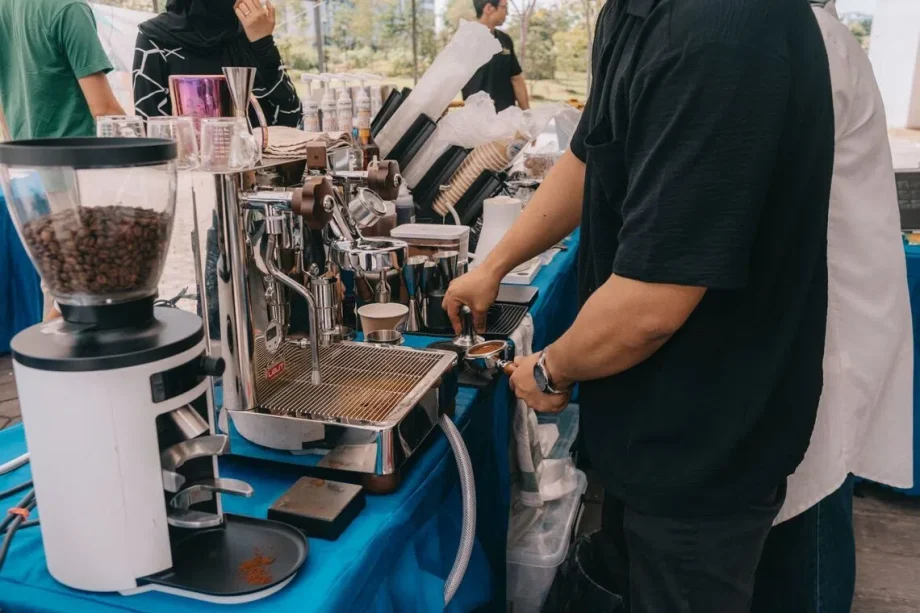
While you can run a number of businesses from home, from hairdressing to photography, as well as facials, beauty, and sewing, the most popular among Singaporeans is food businesses.
This can include small-scale baking, private kitchens, and home cafes.
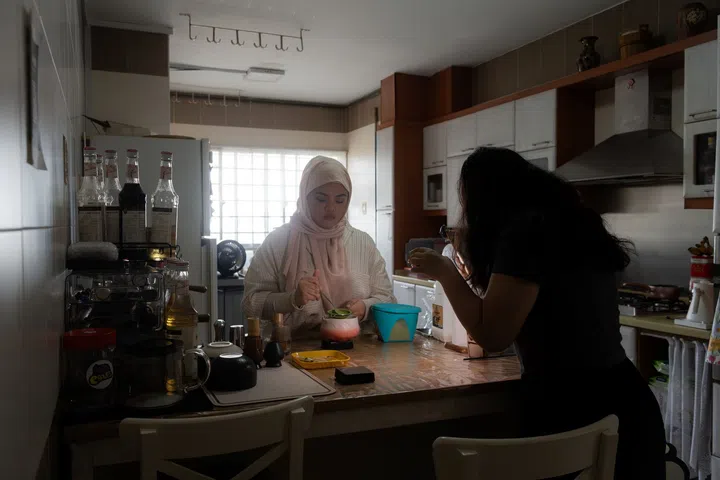
Qistina works at Brewprint Coffee from her home in Tampines. (Photo: Brewprint Coffee)
What are the official things you need to know about operating a food business from your home?
You must meet HDB’s basic requirements to run a food business from home. The full list can be found here, but here is a highlight of important points:
- The business must be operated by the homeowners, registered occupants or tenants
- No advertisement can be displayed at the flat
- Traffic should not be elevated or impact the neighbourhood by way of noise, smoke, smell or litter
- Food businesses must comply with rules and regulations of the Singapore Food Agency (SFA)
Nur Qistina, who started Brewprint Coffee with her brother Khairul from their HDB flat in Tampines in October 2024, emphasises the importance of cleanliness and hygiene in this case. “Unlike commercial F&B outlets, home-based setups are currently not licensed by SFA, nor are formal food safety certifications strictly mandatory under the scheme,” she says.
“Because of this, maintaining high hygiene standards falls entirely on the operator’s own accountability.” She and her brother both earned their WSQ (Workforce Skills Qualification) Food Safety Certification through their previous jobs, which she says immediately reassures customers.
What is most important when running a home-based food business?
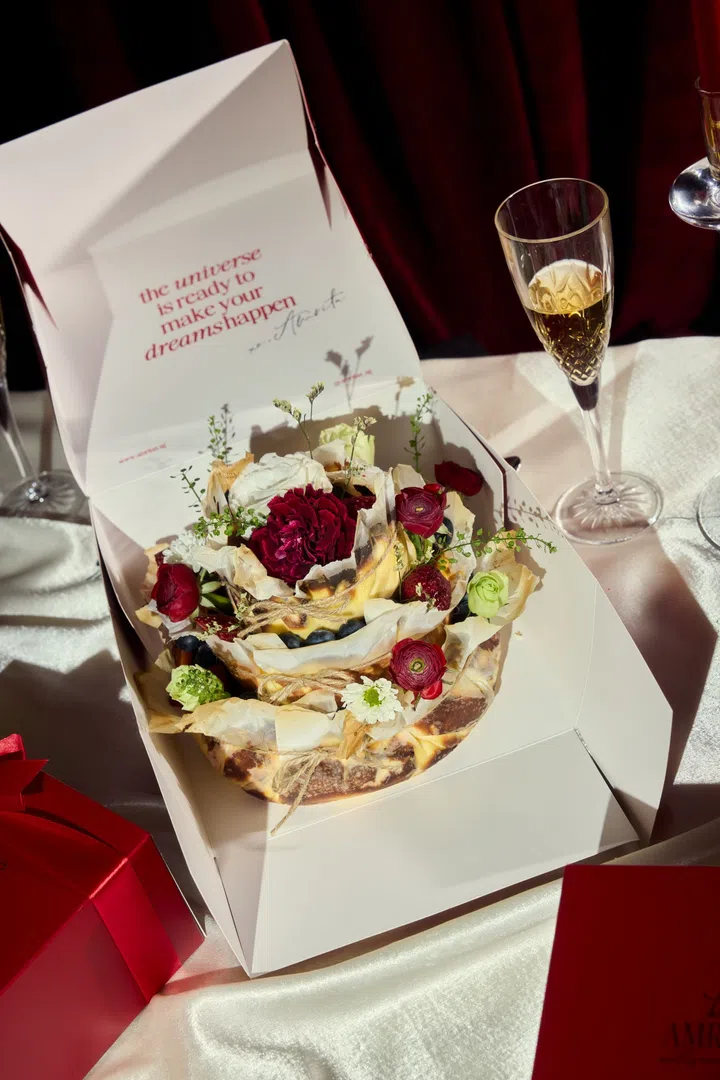
When it comes to working with food, freshness and quality are naturally top of mind. Amrita Dhillon set up Amrita’s Artisan Bakeology in December 2019, after having been a primary school teacher for seven years.
Specialising in burnt cheesecakes, she branched out into classic cakes, festive hampers for Diwali, Christmas, and Chinese New Year, and baking workshops for kids and adults.
She sells roughly 40 to 60 cakes a month, though festive seasons like Diwali last October doubled that to 120. A five-inch Naked Burnt Cheesecake starts at $59, while a Victoria Sandwich Classic Dome Cake goes up to $228.

Read Full Article At Source
