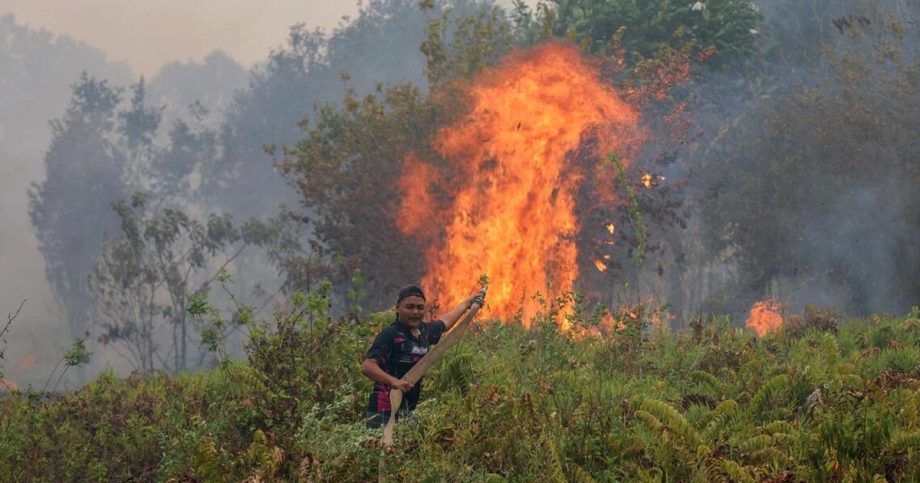
SINGAPORE – As fires continue to burn in Indonesia and smoke spreads across to neighbouring Singapore, the search for those responsible is intensifying.
On Oct 16, Singapore’s National Environment Agency issued preventive measure notices to seven companies in Indonesia, saying there were indications that smoke from fires on their concession lands could have reached the Republic, and requiring them to extinguish the fires and prevent their recurrence.
But investors in palm oil companies, including those listed in Singapore, have a role to play in reducing the risk of another haze crisis.
Beyond asking whether production and profits are safe, they should question how well the businesses they own are managing risks that they have prepared for and known about for years, and what more they can do before the next round of burning.
In an Oct 16 Singapore Exchange filing, First Resources disclosed that fires in Indonesia’s West Kalimantan had not significantly affected its 2026 production targets or adversely affected its revenue, profit or asset values. The company has an Indonesian subsidiary, ANJ, which operates in the area.
Other oil palm companies listed on SGX have also issued similar statements.
These disclosures may reassure shareholders, but they say little about the costs borne by people and businesses affected by the smoke, or the damage to landscapes and wildlife.
The wider consequences include lost productivity, disruption to tourism and higher healthcare spending in Indonesia and its neighbouring countries, including Singapore. For weeks now, people here have had to adjust their daily routines to manage the haze, while the longer-term health and environmental consequences may take years to become clear.
These costs may not show up in an oil palm company’s accounts, but investors should take them into consideration when deciding whether a business is operating responsibly and whether it is worth investing in.
Looking beyond who started the fires
So far, SGX-listed First Resources and Bumitama Agri have come under scrutiny after Greenpeace identified fires and smoke in concessions linked to the two companies.
In response, First Resources said some fires originated outside its boundaries before spreading into areas under its management. Some became too large and fast-moving to contain despite its firefighting efforts.
Similarly, Bumitama said some incidents appeared to have developed outside its directly managed areas before spreading. It said its preliminary investigations had not established evidence linking its operations to the start of the fires under investigation.
Read Full Article At Source