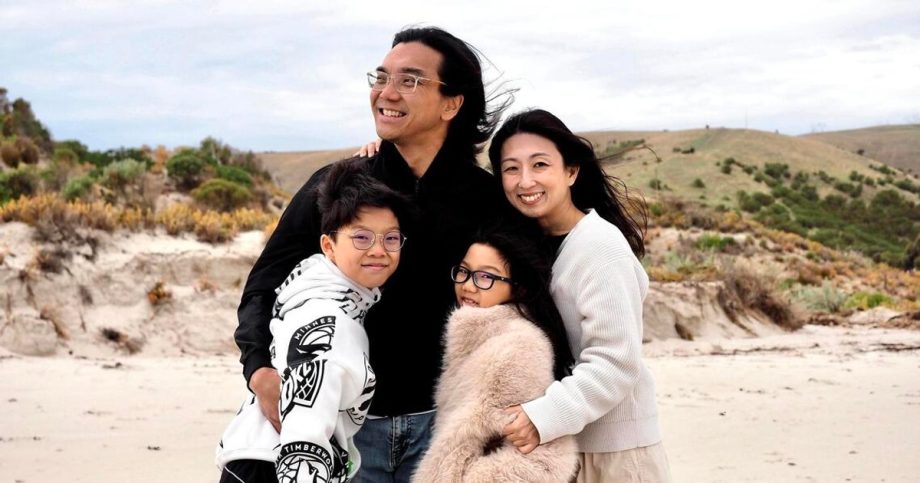
SINGAPORE – Liang May took her son for a staycation at a hotel during his study break before sitting the PSLE in 2024.
They went rock climbing, played games at an arcade and visited cafes for meals, while weaving in study time between these activities.
“It made him feel more relaxed. He was feeling the stress of PSLE, so this actually helped him,” said the 44-year-old homemaker.
In the lead-up to the examination, Liang said her friends confiscated their children’s devices or limited their play time. But she did the opposite.
In fact, she increased her son’s gaming time and ensured there was a good balance between his studies and personal time.
“I consciously told myself not to be reeled into that pressure… He’s the one sitting the PSLE, and he’s the one feeling most of the pressure,” said Liang, adding that she worried her son would not be able to put in effort into studying when he was required to, if he was not rested enough.
This was not the first time Liang’s approach to her two children’s education seemed unusual to her friends and family.
Although her son had the chance to enrol at an earlier phase in her husband’s alma mater, a prestigious boys’ primary school, she decided to place him in a neighbourhood school near their home instead.
“I wanted my children to grow up meeting kids from different backgrounds, to gain a wider view of the world… And they thrived at Pei Tong Primary School, where they were able to find long-lasting friendships and had caring teachers,” she said.
Liang also learnt to relax about her children’s development from experience.
She recalled worrying when her daughter was in Primary 2 and struggled to recite the alphabet. But instead of sending her for tuition, Liang continued reading to her and taking her to the library, trusting that she would learn at her own pace.
Today, her daughter represents her primary school in a creative writing competition.
“I realised then that self-discovery is more powerful than force-feeding,” she said.
Choosing a different path
In a society where families usually go to great lengths to give their children the best chance at academic success, some parents in Singapore, like Liang, are opting for a different path.
This means not succumbing to the peer pressure to enrol their children in tuition and various enrichment programmes, to give them an edge over others or boost academic excellence.
While acknowledging the ever-present pressures from the education system here, these parents are making deliberate choices to channel their efforts and resources into what matters most to them – keeping their children happy and not pressuring them to excel academically.
A 2026 study by the Institute of Policy Studies found that most parents of primary school children in Singapore increasingly value holistic or broader development.

Read Full Article At Source