In the video game industry, 10 years may as well be a lifetime. Entire tech empires can rise and fall in that span given how quickly the medium tends to evolve. If you need a concrete example of that, look to the PlayStation VR, which launched on Oct. 13, 2016. At the time, the bulky headset felt like a mainstream turning point for a niche corner of gaming that was still in its infancy. A decade later, the PSVR instead stands as a monument to a doomed trend that’s on the brink of extinction in 2026.
While there was buzz about VR brewing in the mid-2010s, 2016 was the year that properly kicked off the trend. It began when the Oculus Rift, a device considered to be the first consumer headset of the era, released in March. That was quickly followed up by the HTC Vive in April, starting a rat race in the headset market. While those devices were exciting, they weren’t entirely consumer-friendly, seeing as they required you to own a gaming PC rig capable of running them.
The PlayStation VR looked like the answer to that problem when it launched in October. So long as you owned a PlayStation 4, all you needed to do was plug it in to the headset. Okay, it was a little more complicated than that and required a mess of cables, but it was still an easy setup compared to its competitors. It also looked more inviting; its white design came off as friendly and approachable next to its black rival headsets that looked like serious, complicated pieces of tech.

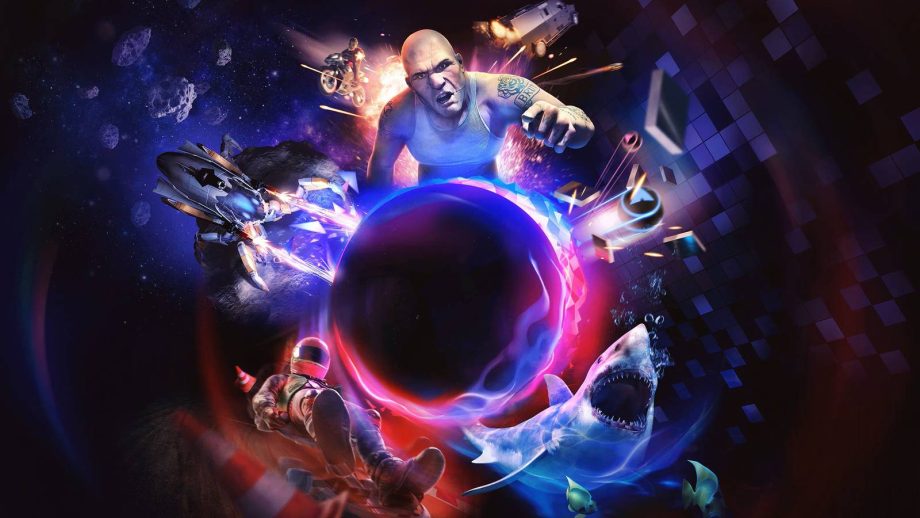
Despite those strengths, it took a few years for the PSVR to really come into its own. Its launch game lineup wasn’t terribly memorable, with games like PlayStation VR Worlds and Batman: Arkham VR doing little to shake the feeling that VR games were glorified tech demos. A few great games showcased the potential, including Ubisoft’s Eagle Flight and Rez Infinite, but PSVR really didn’t take off for another two years.

Read Full Article At Source