SINGAPORE – As a new scuba diver, I have big, charismatic animals like whale sharks and manta rays on my bucket list of things to see.
With the richness of the Coral Triangle – South-east Asia’s globally renowned marine biodiversity hot spot – in our backyard, many divers here often flock to popular dive sites like Raja Ampat and Bali in Indonesia for a glimpse of these creatures.
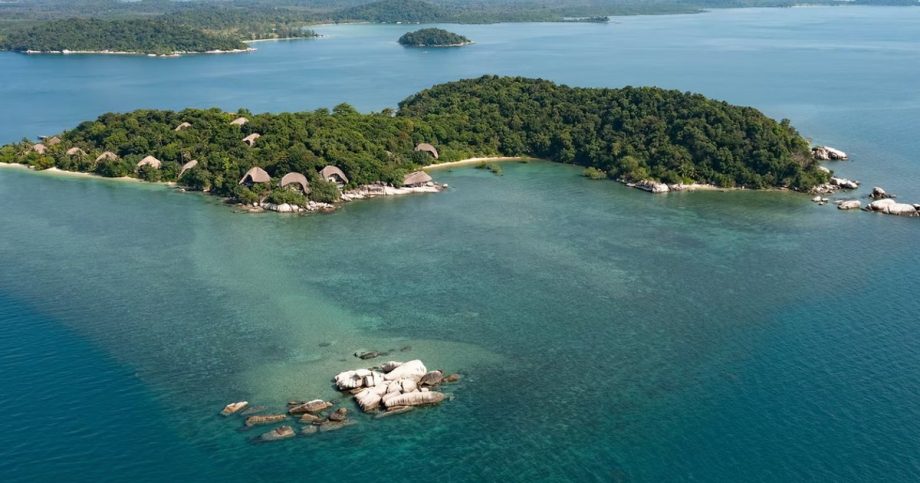
But over four days in April, during a visit to Cempedak Island, a resort off the eastern coast of Bintan, I learnt to appreciate the smaller creatures of the sea.
The private island was hosting two scientists, who were there to document the biodiversity in the area, and invited me to join their expedition.
In 2019, marine biologists Mark Erdmann and Gerald Allen, then with American non-profit Conservation International, had been invited by Cempedak to survey the marine life there as part of a proposal to zone some parts of the waters off Bintan as a marine protected area (MPA).
The East Bintan MPA was established by the Indonesian government in 2022, although Cempedak Island does not fall within its boundaries.
During the 2019 expedition, Erdmann photographed some rare reef fish, including six which he believed had never been identified before nor found anywhere else in the world.
He was back to obtain specimens of them to confirm their identities.
After a delay due to the Covid-19 pandemic, Erdmann and marine biologist Nesha Ichida from Indonesia-based non-profit Thrive Conservation, who was leading the second expedition, managed to coordinate their schedules for the April trip.

Marine scientists Nesha Ichida and Mark Erdmann managed to capture a goby specimen that they believe has not been previously identified.
PHOTO: CEMPEDAK ISLAND
Their focus was on gobies, sand divers and other small fish whose size can make it extra hard for an untrained eye to find against the messy seabed.
For instance, gobies average about 2cm to 3cm in length.
The beauty of small things
Before this trip, I had thought of Bintan more as a place for weekend getaways, not so much as a biodiversity hot spot.
But during my stay on Cempedak, I realised it could be both.
There was a sense of “wilderness” as I entered my villa, which seemed to be made almost entirely of bamboo and had neither real doors nor windows. A fellow traveller reported being awoken at dawn by a loud hornbill perched on the railing of his bedroom.
There was no air-conditioning at the eco-friendly resort, although ceiling fans were available.
The living room opened to a private pool, which overlooked the trees and the sea.

A private pool at a Cempedak villa that overlooks a lush horizon.
ST PHOTO: GOH YAN HAN
The expansive view was great, but I later discovered that underwater, too, there was wildlife to be enjoyed.
Erdmann said the waters around Bintan – located an hour’s ferry ride from Singapore – are teeming with life.
In 2019, after spending over 40 hours underwater at 17 dive sites, he managed to identify 425 species of reef fishes.
Erdmann and Ichida’s enthusiasm for the small things was infectious.
During an hour-long briefing on the expedition, Erdmann shared more information about sand gobies that awoke the biology nerd in me.

A selection of specimens collected by marine biologists Nesha Ichida and Mark Erdmann, which they believe have not been identified previously.


Read Full Article At Source