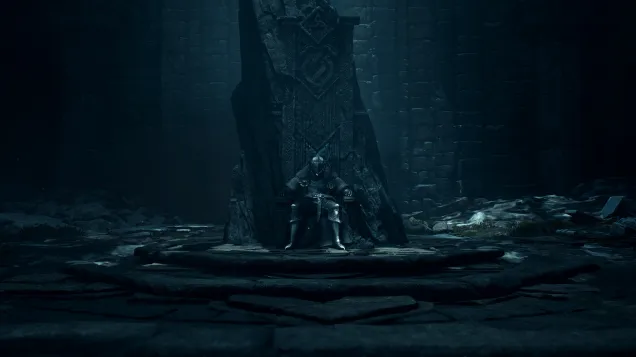
Capcom choosing the exact same subtitle for two separate expansions in two different games makes a lot of sense. Dragon’s Dogma 2: Dark Arisen is not only a thematically relevant title, but thanks to the first game’s expansion of the same name, it also conveys to longtime fans what to expect: namely, a new gameplay cycle focused on reworked loot and plenty of dungeon crawling. The key difference this time around is that instead of heading into the labyrinthine depths of a cursed island, you’ve got an entirely new region to explore.
As someone who loved Dragon’s Dogma 2, I couldn’t really ask for much more. Yet changes to some of the game’s core systems also dilute what made it so unique when it launched back in 2024. I know it’s always been a fairly divisive game, and these changes are intended to make the experience more approachable, but they also strip away some of its magic in an effort to appeal to more people. Dark Arisen is still a great expansion, transporting you to a fascinating new region with more loot to earn, fantastical beasts to slay, and stories to behold, but it also shifts Dragon’s Dogma 2 in a slightly different direction.


To start with, Dark Arisen alleviates some of the game’s intentional friction by reducing how often you need to travel on foot. The Eternal Ferrystone was already added to the game a few months ago, letting you freely fast travel to any portcrystal without expending a scarce resource. Those same portcrystals are located at every key location in Dark Arisen’s new Norgan region. You still have to reach them on foot first to activate them, but once you do, you can simply teleport from one side of the map to the other.
Using the Eternal Ferrystone is entirely optional; you can still traverse almost all of Norgan on foot if you desire, so the friction is still there if you want it. However, Dark Arisen also feels designed with unlimited fast travel in mind. The first settlement you come across, for instance, acts as a hub of sorts, letting you manage your gear, rest at the inn, and pick up a fair few side quests, so you’re intended to return here often.
Meanwhile, many quests require you to visit the same locations over and over again to speak with specific characters. Heading off on foot might be an option, but it’s never incentivized and feels antithetical to how it wants you to play.
I’m not a fan of this change. I can acknowledge that giving players more choice is a positive, but the back-and-forth quest design and reliance on fast travel means you never really feel like you have options when traversing Norgan. This has a fairly significant knock-on effect, too: Without embarking on foot more often, I rarely stumbled into the emergent moments that made the base game so thrilling. And without that palpable sense of adventure, Dark Arisen feels less like Dragon’s Dogma and more like any number of action-RPGs, rendering this a fundamental change to its identity, rather than an improvement.
When Dragon’s Dogma 2 launched, traveling the regions of Vermund and Battahl felt treacherous, especially in the black of night. The world was as hazardous as the enemies you encountered, and campsites provided a welcome respite on your weary travels. Now, those feelings of everpresent danger and welcome safety are mostly gone. There’s no risk when you can freely fast travel out of danger or skip a journey entirely. The game’s uncompromising design has been softened to broaden its appeal.