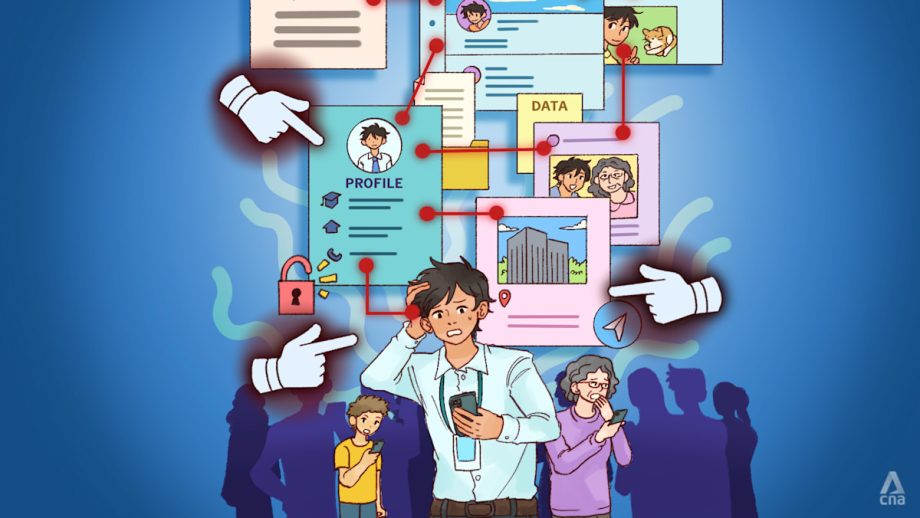
Perhaps part of the reason doxxing is hard to eradicate is that some doxxers genuinely believe they hold the moral high ground and are doing something good for society, Assoc Prof Lee from SUSS said.
However, Dr Chew from IPS cautioned that good intentions, such as calling out alleged wrongdoing, do not automatically make a post harmless or lawful.
This remains true even when such posts are shared in private groups, including communities where women exchange information about men whom they have dated.
“The risk here is that peer-to-peer warning becomes trial by social media,” Dr Chew said.
“Once names or photographs are sitting beside allegations, who checks whether those allegations are accurate? Does the person get to respond? What happens when something false gets copied out of the group?”
Assoc Prof Lee said that part of this tendency for an online audience to slip into vigilante mode stems from how social media platforms are set up.
Read Full Article At Source