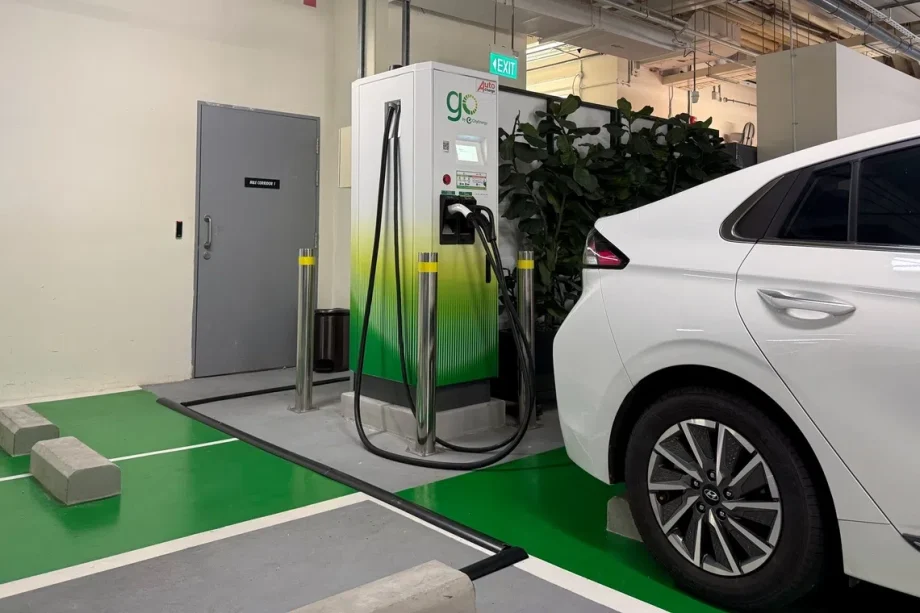
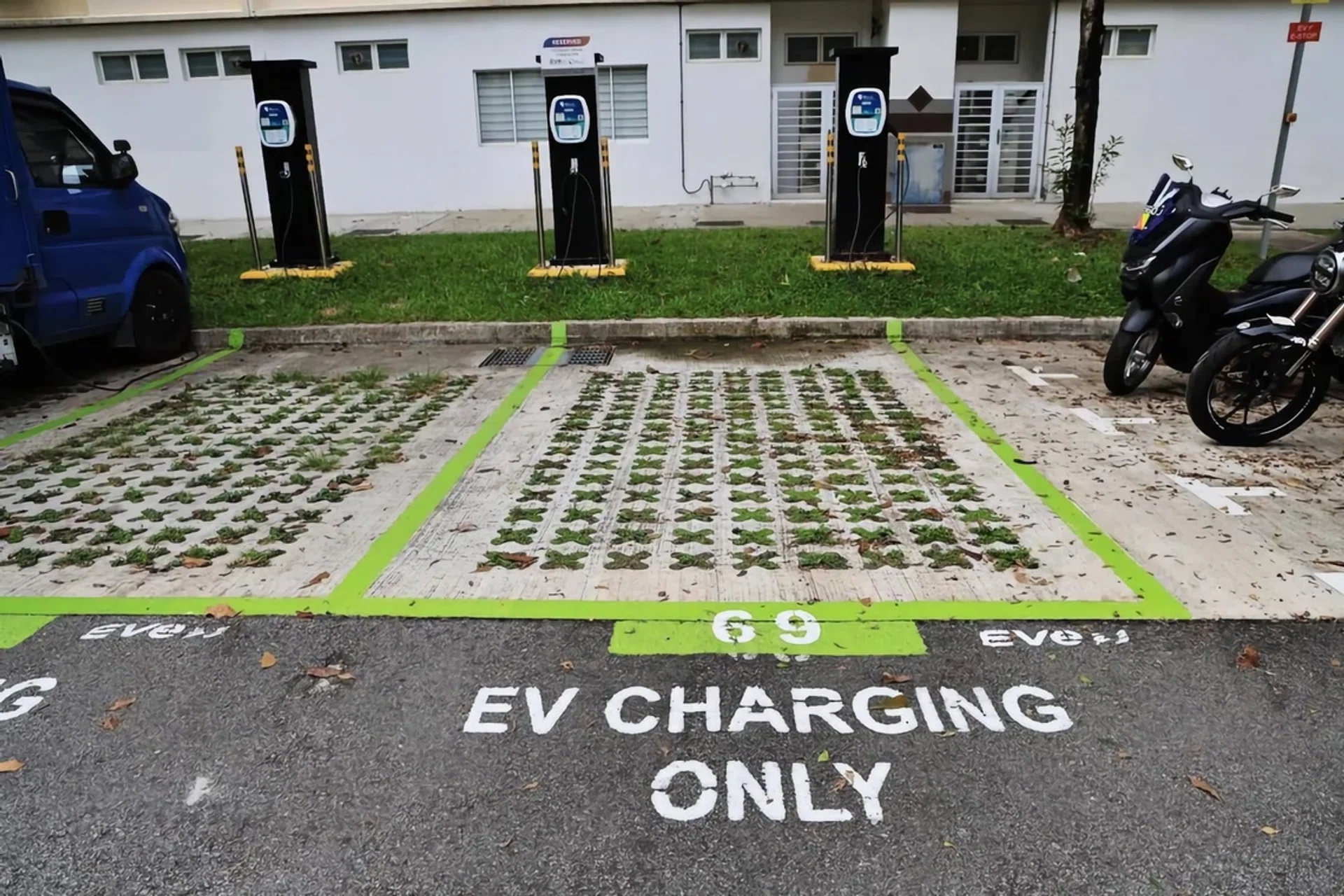
Singapore is aiming for 60,000 Electric Vehicle (EV) charging points by 2030, split between 40,000 in public car parks and 20,000 on private premises. Around 30,500 were operating as of March 2026, past the halfway mark, and Senior Minister of State for Transport Sun Xueling told Parliament on 6 May that the rollout remains on track. All HDB towns were EV-ready as of December 2025, and more than 90 percent of HDB car parks now have charging points.
Local electric vehicle charging operator (EVCO) and infrastructure provider MNL Solutions has deployed 1,000 charge points in Singapore at residential developments including Ris Grandeur, Margaret Ville, and One Shenton, and at commercial sites such as Heeren, 100AM and Amara Hotel.
For co-founders and directors Lai Yuan Weng and Sathiyamoorthy Nagarajan, the number of EV chargers yet to be deployed matters less than the shift in what clients are now asking. The discussion around the next phase of the installation process in Singapore has moved from deployment to becoming more about getting electricity and chargers to buildings and carparks wired decades before anyone considered charging a car.
We spoke to them about this at the launch of their 1,000th charger at an event held at their technology partner’s office, Schneider Electric.
Singapore’s EV charging dreams
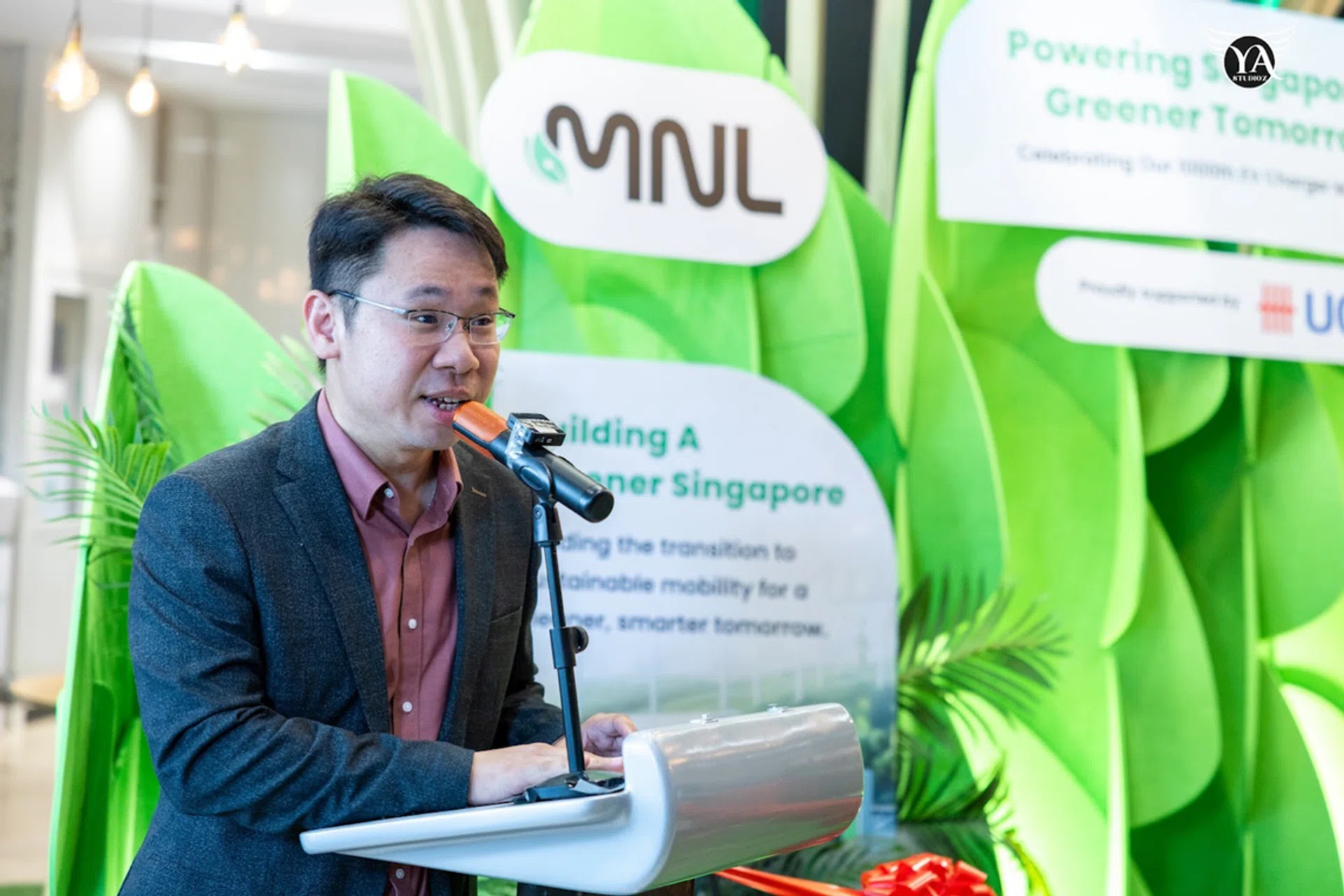
Co-founder and Director at MNL, Lai Yuan Weng, speaking at the launch of its 1,000th EV charging point.
Photo: MNL
Against the national target, a thousand chargers is modest. Lai’s feels the end-goal is achievable, but there are specific issues that could hold things back:
- Reliability
- Electrical capacity at older sites
- Convenient payment
- Transparent pricing
- Making sure chargers are installed where drivers actually need them
The problem drivers never see
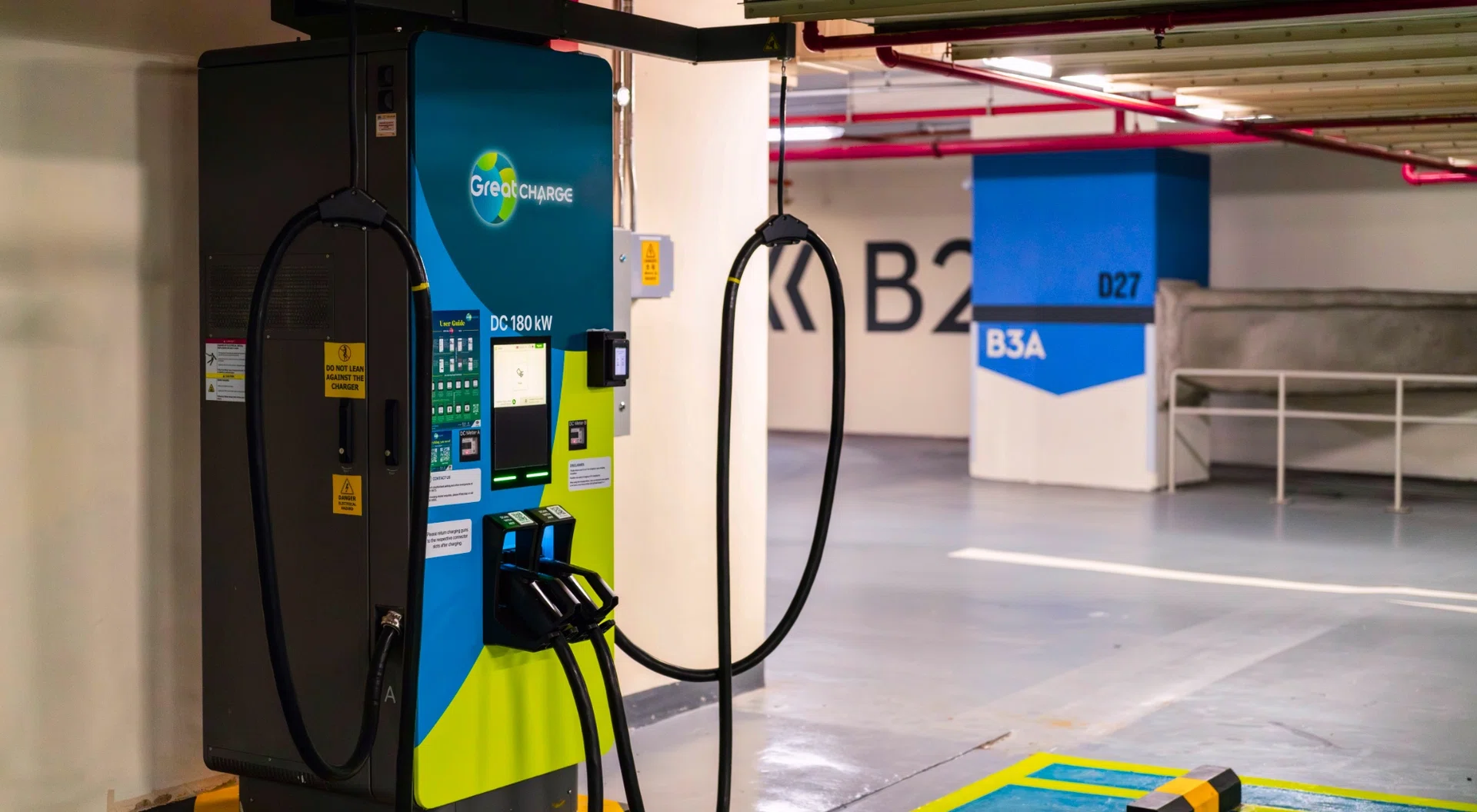
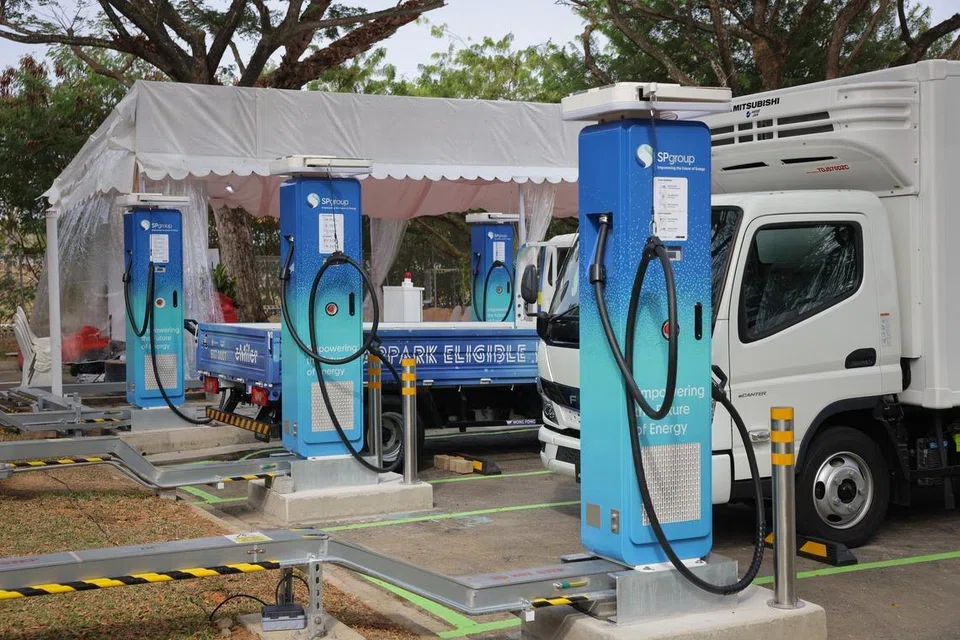
High speed chargers require special planning.
Photo: All Green Malls
Ask Lai what the industry talks about constantly that drivers never notice, and the answer is, “upstream electrical capacity”.
This refers to the foundational power supply, including local building switchboards, transformers, and the broader utility grid, required to deliver electricity safely to EV chargers at scale. In Singapore, upstream electrical capacity is a critical bottleneck and a major focus for expanding the national charging network to meet the 2030 targets
According to Lai:
Read Full Article At Source