.
I have a complicated relationship with the 1990s, an era remembered for its hazy pre-HD tech and early signs of broader connectivity without the mentally taxing standard of an always-online world. Lately, I’ve found the aesthetics of that era calling to me in the books I read, the shows I watch, and even in my social media feeds that regularly spit out “remember when?” reels that dredge up imagery of classrooms and malls that I never actually set foot in yet feel familiar. Instagram seems to think I’m simply nostalgic for this stuff, not understanding that I actually find it very eerie, snapshots of a childhood I can hardly recall for complicated reasons. And yet, I’m mesmerized by it.
Most recently, I felt that same pull in Screen Burn’s Silent Hill: Townfall.
Whereas games like Silent Hill and Silent Hill 2 were set roughly in their respective modern days and are today revered as dreary time capsules, Townfall resurrects similar vibes, in turn revealing which parts stick out most to the team performing that necromancy.
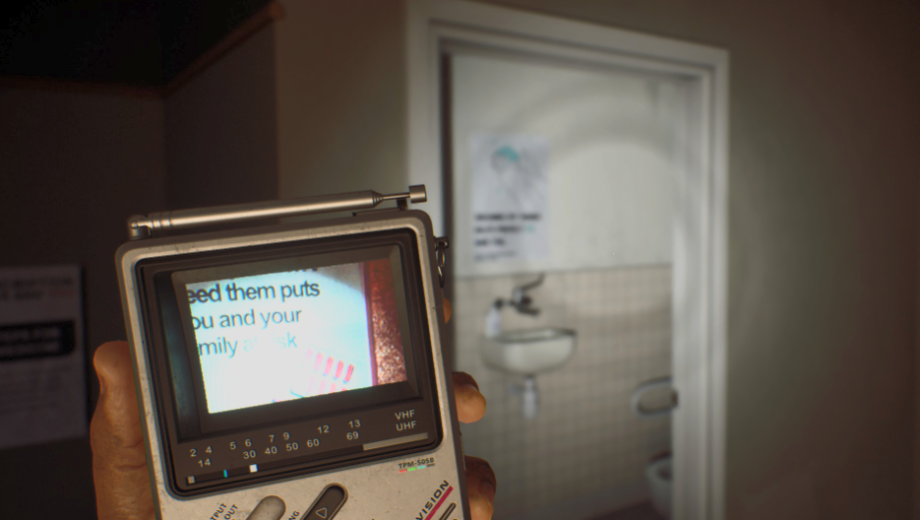
In a recent conversation with the studio’s co-founder and Townfall’s writer, Jon McKellan, he told me how Screen Burn sought to weaponize a particular type of nostalgia through the game’s handheld CRTV device, and why the 1990s remain the ideal backdrop for a horror story.
GameSpot: When Silent Hill: Townfall was first revealed, I wondered if it would be primarily a “gizmo” kind of game, like Stories Untold. Observation has a lot of physical interaction like that, too. What is it the team likes about that sort of thing in games?
Jon McKellan: I think with horror, having something recognisable and tangible just sort of grounds you in the world a little bit more. People might not ever have owned one, but we all can understand the sensation of holding a little screen in our hands that shows us scary things! I’ve always loved analogue video aesthetics, and it’s been a big part of my own art style through my career, so the idea of making an entire core mechanic/device around that aesthetic and experience felt like a great fit, especially when riffing off the static and radio features of previous Silent Hill titles.
Was there ever a version of Silent Hill: Townfall that was only going to be that (I’d actually expected something like Killer Frequency), or was it built from the ground up with first-person exploration and combat in mind, too?
We always had combat and exploration in mind. One of the earliest conversations I can recall on this project was Graeme and [I] discussing the idea of allowing the player to get up, walk around, explore, and deal with threats while solving those puzzles. It felt like the next big step in the experiences we at Screen Burn were building–to finally face a threat that was more visceral and immediate than we had ever had before in our previous titles.
How did the team land on the physical design and form factor of the device? It kind of reminds me of a haunted Game Boy.
I think we did actually refer to it as a “Creepy Game Boy” at one point in concept phases! We looked at a lot of different versions of pocket TVs from the ’80s and ’90s, and it was a case of trying to find the right shape, size, and style to feel weighty and old-fashioned in the characters’ hands, while giving us a big enough screen size on it to be useful in gameplay.