SINGAPORE – The PSLE, Direct School Admission (DSA) and other pressure points in Singapore’s education system will come under closer scrutiny as the Ministry of Education (MOE) looks at ways to ease the “arms race” surrounding school.
Second Minister for Education David Neo said on Sept 29 that the next phase of engagements with Singaporeans by MOE will focus on the transition from primary to secondary school, where pressure on young students is often most acute.
The conversations will delve into the parts of the system that most fuel competition and anxiety, said Neo, and where thoughtful changes could give children more room to grow.
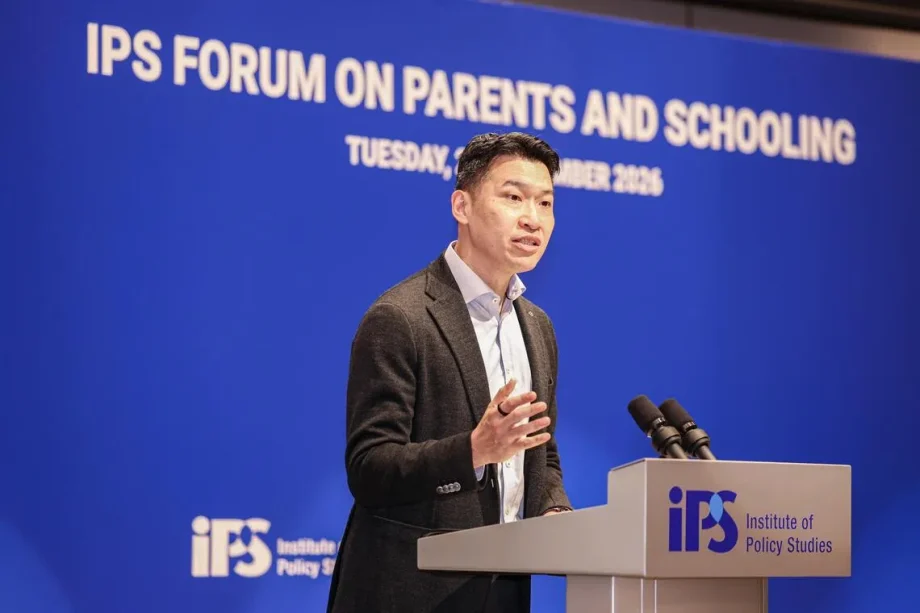
Speaking at the close of the Institute of Policy Studies (IPS) Forum on Parents and Schooling, Neo said three topics have surfaced repeatedly since the Education Conversations began: the PSLE, DSA and how to strengthen schools across the system.
The Education Conversations, which began in April and will continue into 2027, are held by MOE to gather views and ideas on education policies.
Neo’s comments come as a new study by IPS on parents’ attitudes towards education found that more of them are feeling stressed and anxious about their children’s futures and whether they will fall behind in the long run.
The study, conducted from May to August, surveyed 1,500 Singaporean and permanent resident parents aged 21 to 65 who had at least one child attending a local primary school.
Speaking at the National University of Singapore Society’s Kent Ridge Guild House, Neo said MOE wants to build a system that gives parents the confidence to place less emphasis on achievement and more on holistic development, knowing that doing so will still prepare their children for long-term success.
“Let me be clear: We are not against striving. Nor are we talking about dropping standards,” he said. “But healthy striving is different from endlessly chasing the last mark.”
The aim, he added, is not to remove all competition, stress or disappointment from education. “That would not be realistic, nor would it prepare our children well for life,” he said.
Other countries that have reduced or removed major examinations have found that pressure does not simply disappear, but re-emerges in other ways, Neo noted.
Instead, the aim is to ensure that competition does not become so all-consuming that it crowds out other qualities children need to flourish.
But the IPS study and the Education Conversations “tell us that we need to go further”, Neo said.
Many parents want to raise well-rounded children without having to optimise every decision for the next academic milestone, he added.
The IPS findings reflect this tension, he added. While parents want a more holistic education for their children, parental stress has risen and families are spending more time and money on tuition and enrichment.

Read Full Article At Source