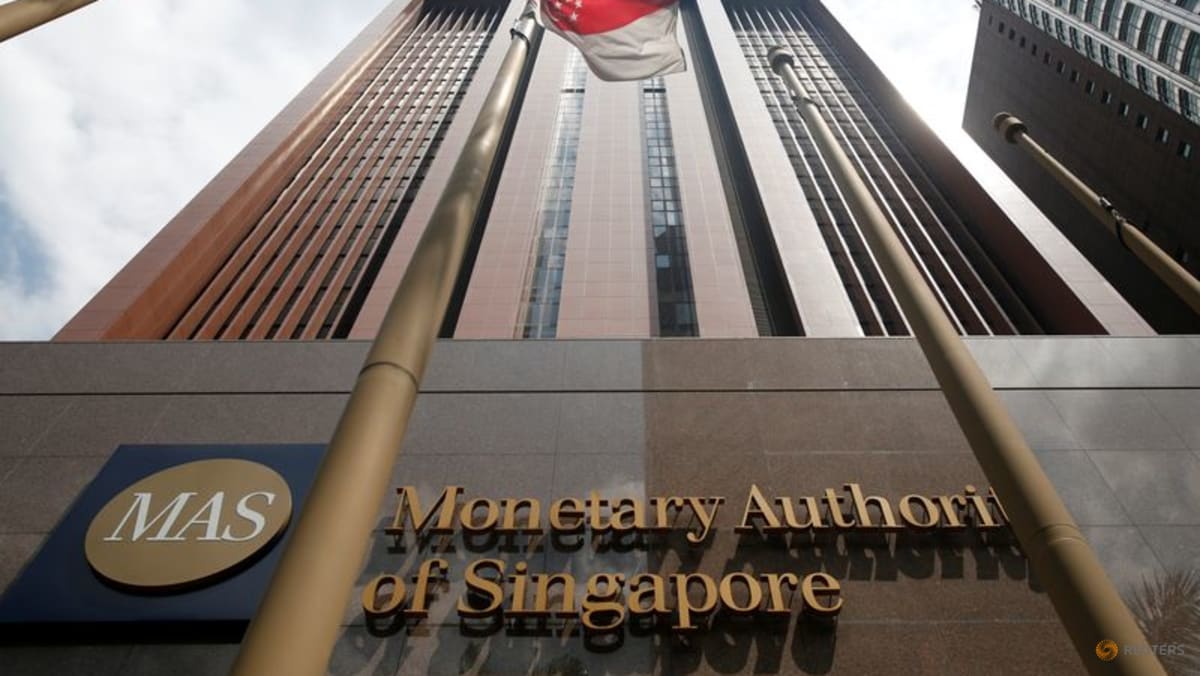
MAS also highlighted renewed conflict in the Middle East and persistent uncertainty in trade policy adding to inflation risks.
While access to oil reserves cushioned the initial energy shock, diminishing spare capacity leaves commodity markets more vulnerable to price volatility, it added.
Higher tariffs and the prospect of more trade restrictions are also raising production costs, said the central bank.
Geopolitical tensions are increasing the likelihood of recurrent disruptions across energy markets, shipping lanes and supply chains for critical technology, it added.
“The increased frequency and duration of supply shocks could make inflation more volatile and unanchor expectations. Monetary policy may consequently have to be more restrictive for longer, tightening financial conditions across sovereign and corporate debt markets,” said MAS.
DOMESTIC FINANCIAL CONDITIONS
Domestic financial conditions have been generally accommodative against this global backdrop, said the central bank.
Read Full Article At Source