
Holiday travels with friend groups tend to put those friendships to the ultimate test. Besides finding out that certain “friends” expect you to do all the heavy logistical/mental lifting, there’s also folks that simply don’t foot their share of the bill, long after the experience has ended.
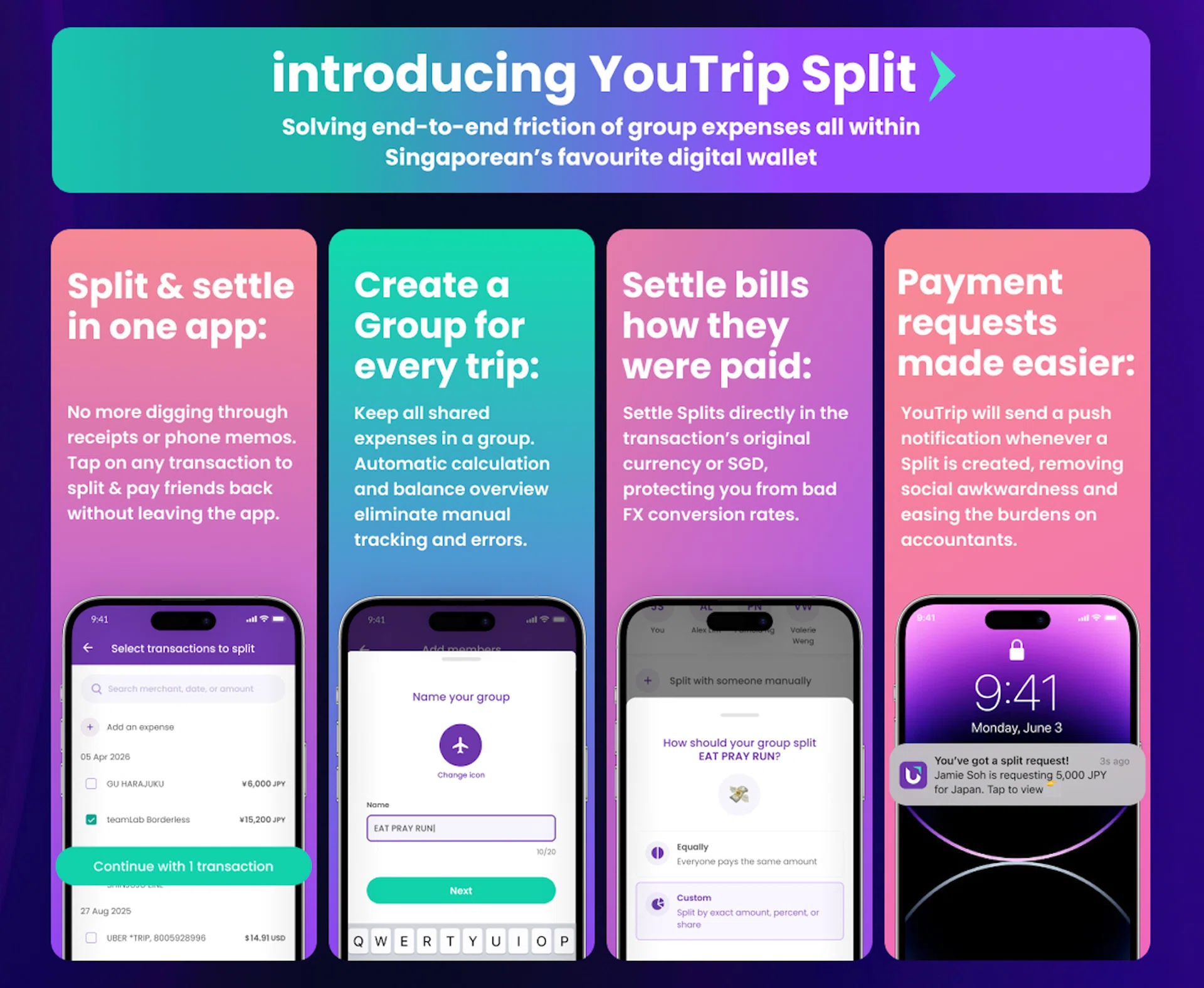
YouTrip published a peculiar report on the financial and social cost of travelling with friend groups. Fundamentally, the report was meant to promote its new YouTrip Split feature (more on that below), but we cannot help ourselves after seeing hard data on some of the lengths people would go (or not go).
As a secondary school teacher once famously said ‘What’s owed must be paid’, we detail the key payment findings of the report in categories below. YouTrip said the survey drew on over 1,000 respondents aged 18 and above who are also YouTrip users. Interestingly, the dataset skewed towards 60:40 split in female-to-male respondents.
21% of respondents would never travel with the same group again
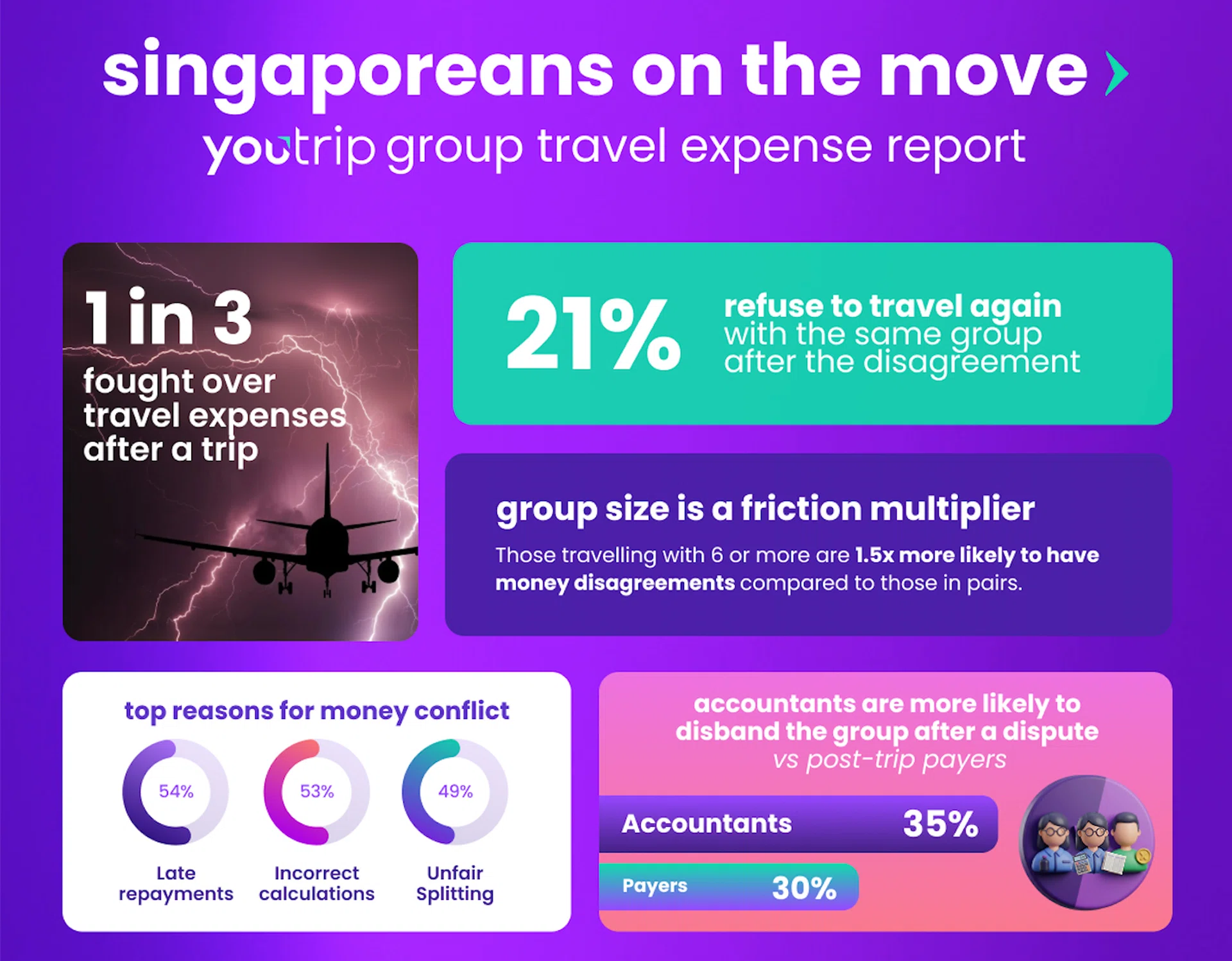
Respondent results of the YouTrip survey.
Image: YouTrip
Singaporeans are a surprisingly forgiving bunch. Per the survey, YouTrip found that:
- 1 in 3 respondents experienced dispute over travel expenses
- 21% said they won’t travel with the same folks again
- Money disputes become 1.5x more likely when the group consists of six or more travellers (versus travelling in pairs)
In group travel, these disputes often stem from settling finances, and it can go both ways. Sometimes, the dispute comes from the group’s designated “accountant” who handles the main billing and logistical arrangements. Other times, the dispute comes from the “post-trip payer”. This means that disputes on trip spend can take on multiple forms beyond O$P$, such as:
- Late repayments (54%)
- Incorrect calculations (53%)
- Unfair splitting of expenses (49%)
That one person who doesn’t get to enjoy the trip as planned
Beyond monetary complaints, the disputes spill over into other aspects of the travelling experience. YouTrip found that the social cost of splitting expenses affects the things that money cannot buy (or worse, already paid for, but ruined by others).
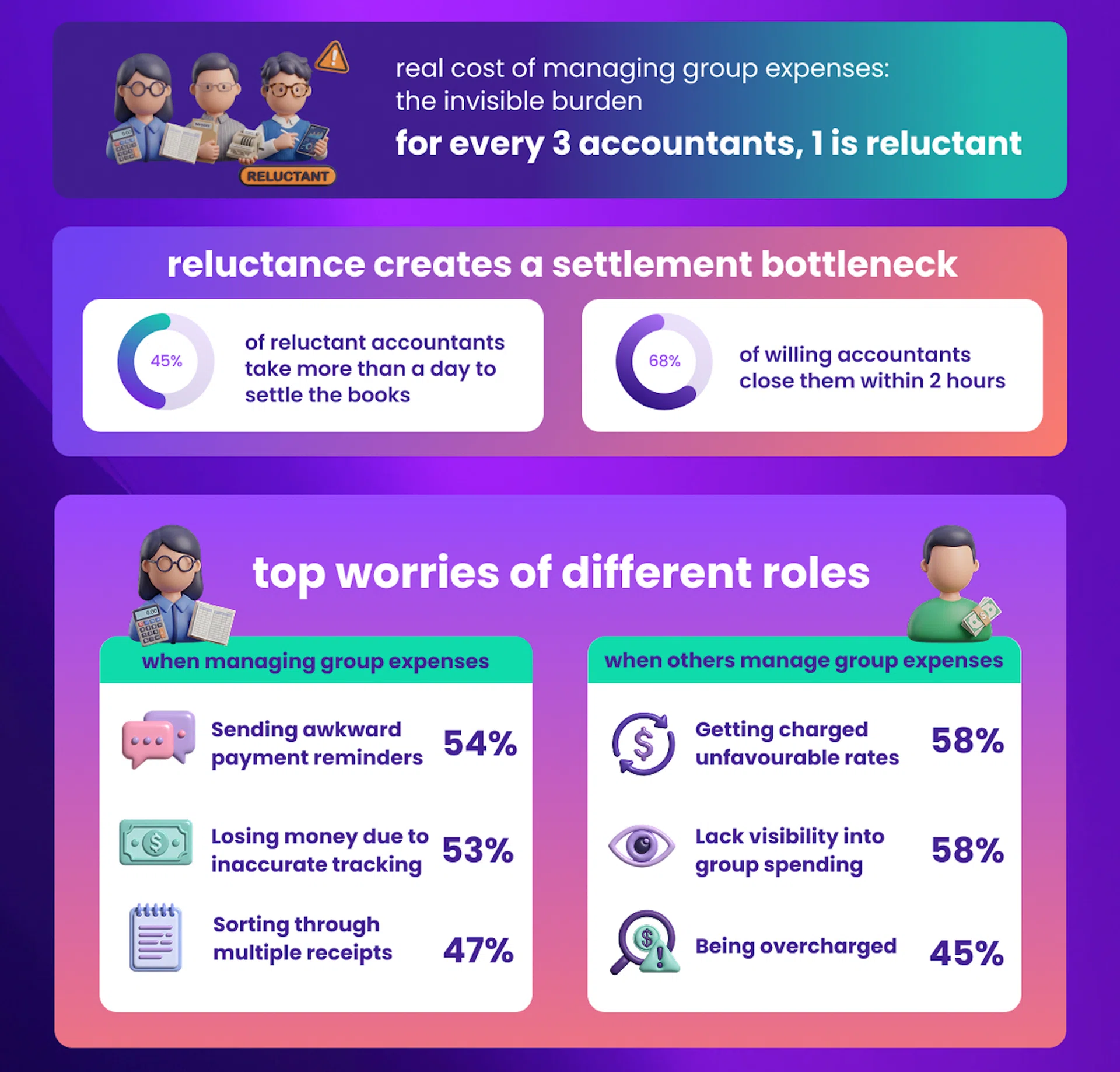
For “accountants”:

Read Full Article At Source