A LONG ROAD OUT OF ISOLATION
Parents may also inadvertently reinforce their child’s withdrawal while trying to care for them, said experts.
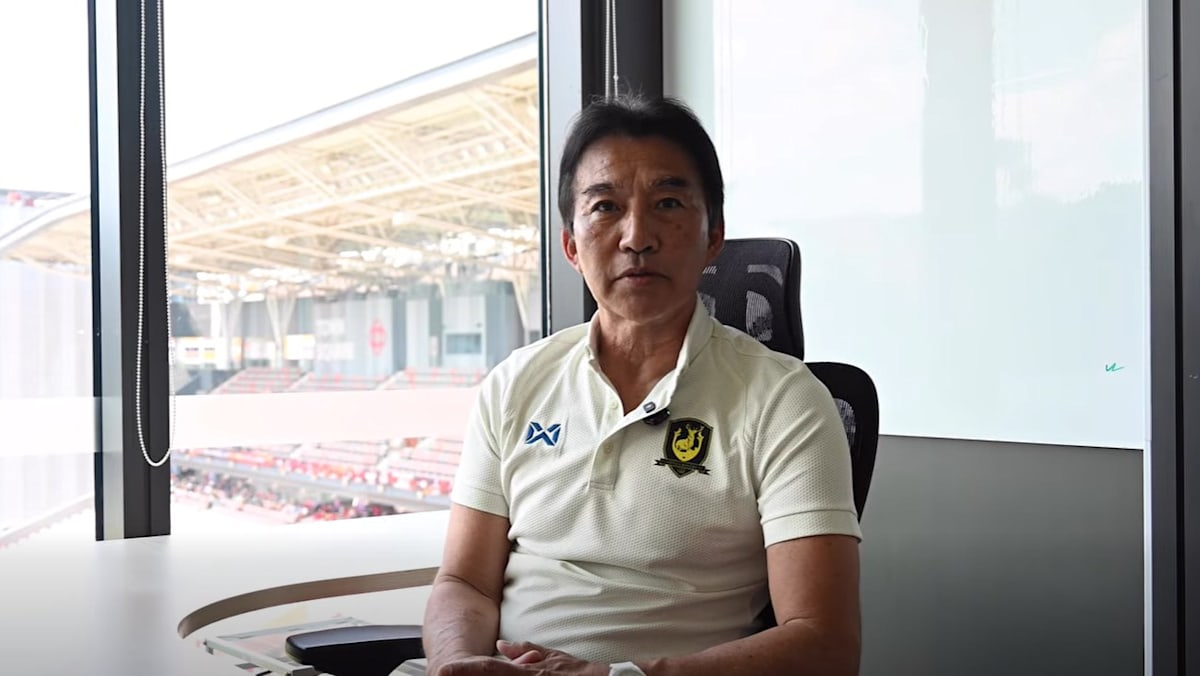
Ms Andrea Chan, head of counselling and psychological services at TOUCH, described one case involving a young man who became discouraged after several job interviews damaged his confidence.
Eventually, he stopped sending out resumes and spent his days gaming at home, while his family continued providing for his daily needs.
“Oftentimes, parents feel very helpless, but they feel they cannot be heartless,” said Ms Chan.
‘But when we continue feeding them … that actually enables them as … (they’re) not spending a cent, (they’re) being fed, there’s no need (for them) to do anything.”
Continuing to meet all of a withdrawn person’s needs can remove reasons for them to leave the house or become more independent, she added.
Support groups can also reassure caregivers that they are not struggling alone.
“Very often, parents find relief after knowing that what they are going through is not unique and that other families are going through similar things,” said Mr Yeo.
One father, who wanted to be known only as Mr Tan, knows how difficult it can be – his 24-year-old son began withdrawing after completing his A-levels and National Service.
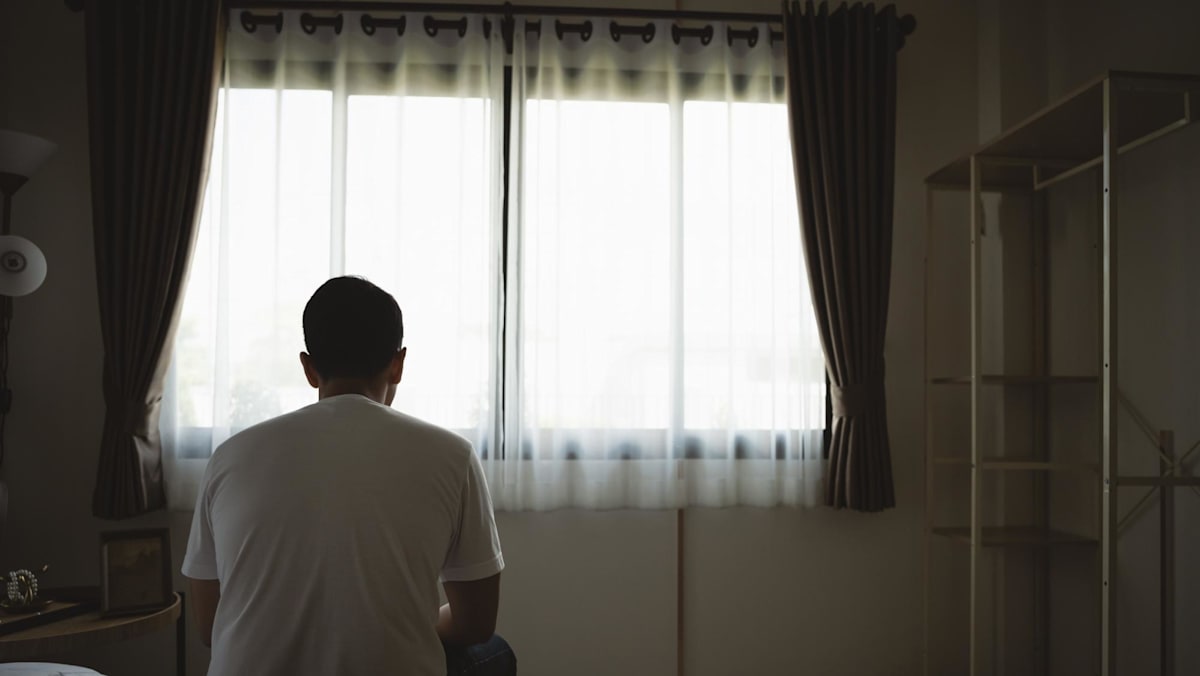
What began as university burnout developed into anxiety. He eventually dropped out and isolated himself in his bedroom.
“Every time we wanted to engage him, we had to knock on his door and wait for him to reply. (He) was very non-responsive. We were very worried, anxious about all this. We didn’t know what his future is going to be like,” said Mr Tan.
“His room would be very messy because he rarely cleaned it. There would be leftover food, empty packaging and other things left in his room. He also wouldn’t shower very often.”
Read Full Article At Source