$9.07 billion. That’s how much unpaid credit card debt Singapore was carrying into Q3 2025 – a 10-year high. Most people who read that headline nodded, felt a flicker of concern, and moved on without checking it against their own statement.
Forget the headline for a second. Look at your own statement instead, the one you pay on time, every single month. Because paying on time and paying it down aren’t always the same thing, and most people never stop to check which one they’re actually doing.
The number behind the number
S$9.07 billion is the kind of figure that reads as a macro problem-something happening to “the economy,” not to you.
The detail that makes it personal is this: the number of principal credit cardholders in Singapore actually fell to its lowest since late 2023. Fewer people hold cards.
And yet balances are at a decade high.
Run that logic through and the story flips. This isn’t “more people borrowing.” It’s the same people borrowing more. Average debt per cardholder is climbing, even as the cardholder base shrinks.
The $9 billion isn’t spread thin across a growing population of overspenders. Instead, it’s concentrating.
Zoom out on the timeline and the shape gets more interesting. Rollover balances actually dipped to a decade low in 2021, then climbed steadily since. That’s not a spike.
It’s a trajectory — four years of steady accumulation, through a period when the cost of living rose faster than most people’s pay packets did.
The key takeaway here is that debt isn’t being taken on by more people: it’s accumulating more heavily among the people already holding it.
[[nid:737801]]
How the trap is built
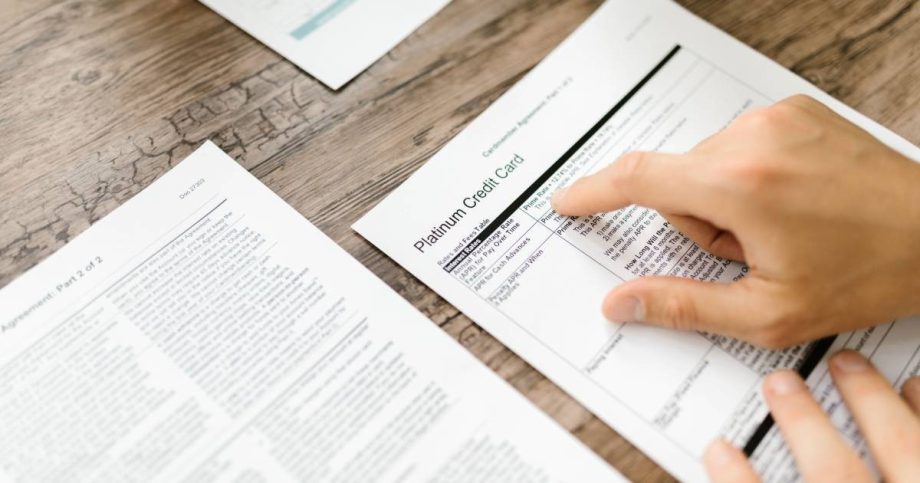
None of this is accidental. It starts with the minimum payment-a mechanism built to look like responsible repayment while quietly doing very little of the actual work.
When you pay the minimum on your credit card, the remaining balance doesn’t just sit there. It rolls over and starts compounding interest immediately, typically at 26-28 per cent p.a., calculated daily.
What makes this genuinely tricky is that paying the minimum feels like good behaviour. Your account stays in good standing. The late payment flag never trips. Next month’s statement looks clean. Every visible signal tells you you’re managing this fine.
What the minimum payment doesn’t do is touch the principal in any meaningful way.
Note: figures below are illustrative only; your numbers will vary by bank, statement cycle, and outstanding balance.
Read Full Article At Source