ULU TIRAM: On that hot, sunny Wednesday morning, the Church of Holy Family in Ulu Tiram, Johor, stands mostly empty, the parking lot devoid of cars. A notice out front declares a fund-raising effort to raise money to build a new church to replace the current 54-year-old building.
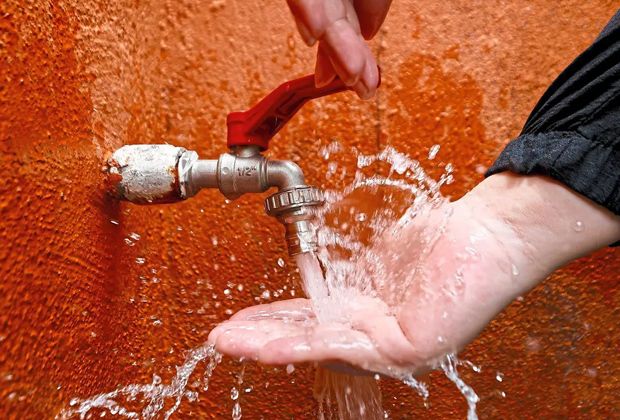
Behind the church are the toilets. Turning a tap on, the water comes out in a trickle before strengthening into a moderate stream.
“Sometimes the pressure is low, sometimes it’s okay,” church staff Jane Kaur told Bernama. Water here, she added, has always been a problem.
What worries her now is that the water may stop altogether with the opening of a data centre by Singapore-based Bridge Data Centres (BDC), about 10km away from the church. Data centres are massive consumers of both water and energy.
Johor is fast becoming a data centre hub in Southeast Asia, benefitting from its proximity to Singapore, as well as its land mass, and stable energy sources and water supply.
With the data centre boom and foreign capital flowing into Johor, criticisms and fears over resources have also grown. Data centres require millions of litres of water per day to cool their servers, and residents are worried they will lose their clean water supply. Experts have called for data centres to tap into alternative water sources.
Forty-two kilometres southwesterly from Jane, Ramli Paiman sits at a local restaurant in Gelang Patah, drinking tea. Other than worries about the water supply in their respective areas, what connects these two individuals is a network of pipes and wastewater.
In February this year, Ramli led residents in a protest against the building of a data centre in his locality by Computility Technology, the Malaysian arm of ZData Group. One of their main concerns was whether the data centre was going to siphon all their drinking water to cool down their servers.
The man sitting at the table looks more like a kindly grandfather than a firebrand. His remarks to Bernama also differed from those he made five months ago when he led the protest.
“I’m not worried about the water in this area now. I’ve been told by ZData that they are using recycled water… wastewater,” he said.
Data centres need a lot of water – think millions of litres of water daily – to keep computer chips from melting down. Cool water is pumped in, which cools down the chips by absorbing the heat, and then discharged as hot water. The water must also be clean so as not to contaminate or corrode the equipment.
US watchdog organisation for data centres, Ceres, estimates that each data facility can use up to two million litres of water a day for cooling.
Experts have said that Johor does not have enough clean water to cool the data centres located in the state, on top of meeting the needs of residents and industries.
Charles Santiago, former National Water Services Commission (SPAN) chairman, told Bernama via Google Meet that it is putting a major strain on the existing water system.
“81% of our drinking water (nationwide) comes from rivers. And most of the water now going into all the different data centres in Johor, by and large, are coming from rivers through the (Johor) treatment plants run by SAJ (Ranhill SAJ Sdn Bhd),” he said.
Cognisant of these issues, Johor and the federal government are investing RM5bil into building three reservoirs and three water treatment plants in Johor.
Read Full Article At Source