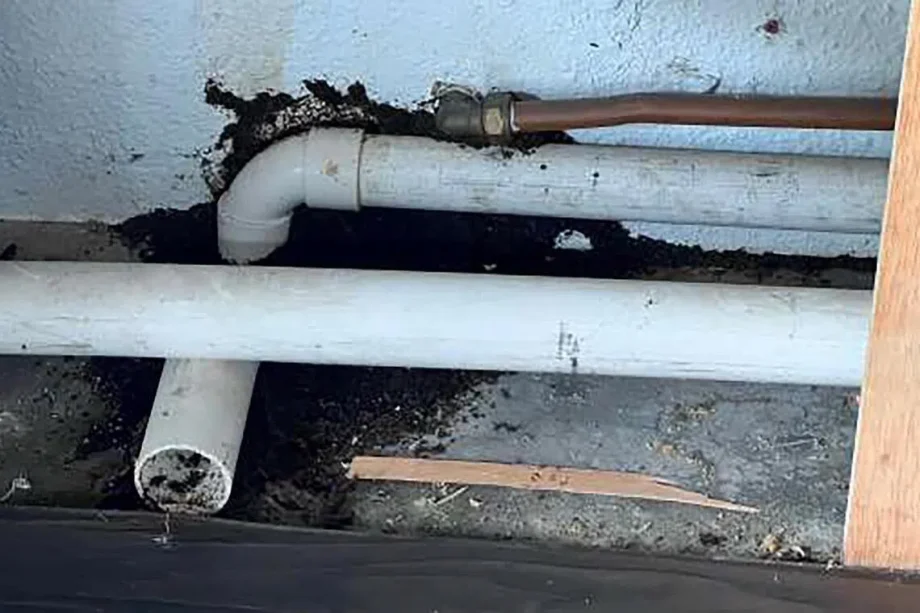
SINGAPORE – Freesia Woods’ management corporation strata title (MCST) has been ordered to compensate a couple after a court found that its failure to prevent termite infestation in the common property had led to damage in their home.
The court awarded Glenford Tan Ming Loon and his wife Vivien Loo Hwee-Wen $10,978 for repair costs and ordered the MCST to pay over $42,000 in legal costs and disbursements incurred in the lawsuit.
The ruling, which was published on Singapore’s litigation portal on July 15, appears to be the first reported case on an MCST’s duty to maintain common property in the context of preventing termite infestation.
In December 2023, the couple discovered termites in their fifth-floor unit at the condominium in Sunset Way. The termites had caused damage to their wooden cabinets.
The couple claimed that the MCST had breached its statutory duties under the Building Strata Management Act by failing to ensure that the common property ground soil was free from termites.
The couple, represented by lawyers Daniel Chen and Drashy Trivedi from Lee & Lee LLP, argued that subterranean termites had nested in the development’s property and travelled through soil before reaching their unit and damaging their wooden cabinets.
Their expert witness, entomologist Teh Jo Lynn, found extensive subterranean termite activity across the estate’s common property. An entomologist is a scientist who studies insects and related arthropods like spiders and centipedes.
She testified that the termites originated from the ground and that there must have been termites nesting in the common property soil.
Teh also found mud tubes in the owners’ unit. Such tubes are associated with subterranean termites and are used by them to travel from the soil. She said the insects could emerge in any unit along a vertical stack, bypassing lower floors without being detected by residents.
The MCST did not dispute that termites were found in the couple’s home, but its lawyer, Siew Jowen of Eden Law Corporation, argued that the insects might not have been subterranean termites.
Siew said an unauthorised kitchen sink installed on the roof terrace had created damp conditions that made the unit more susceptible to termites.


Read Full Article At Source