SINGAPORE – Cleaning a woman’s wounds from a mastectomy is no mean feat. Adrian Tan would know, having cared for his mother, who was diagnosed with breast cancer when he was 21.
When he first tended to her bruised and pus-filled scars, both mother and son wept.
“She kept telling me, ‘It’s okay, son, it doesn’t hurt,’” recalled Adrian, now 40. “But how can it be not painful?”
Nearly two decades later, he speaks about those years with the weight of someone who knows caregiving can be as relentless as it is intimate.
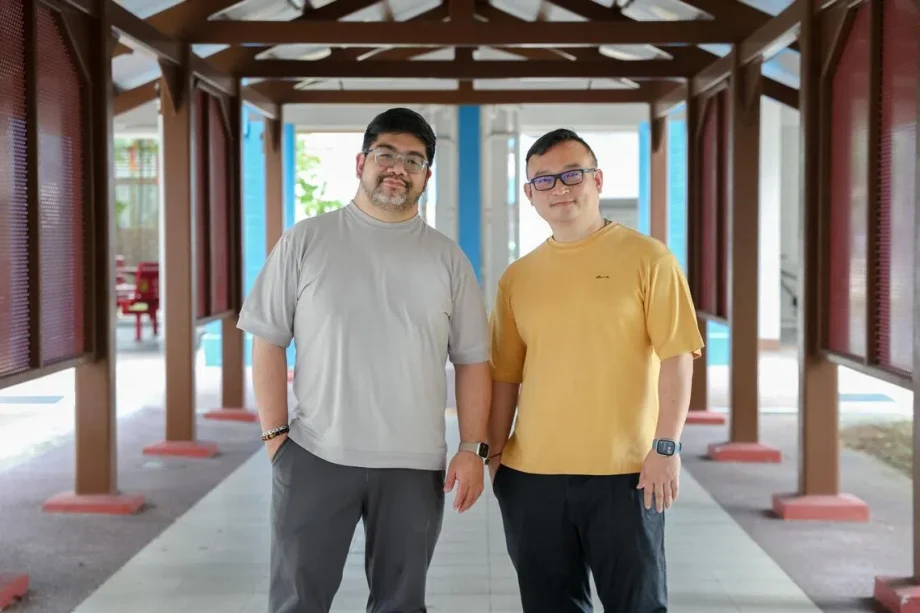
His experience would eventually shape a new mission. In 2017, he and fellow caregiver Greg Tan started SG Assist, an organisation that supports and advocates for caregivers.
Greg, 44, has similarly been in the trenches.
In 2015, after his father underwent an angioplasty, a procedure to open blood vessels to allow blood flow, he accompanied the older man in hospital daily for about two months.
Stories like theirs are increasingly familiar in Singapore, where caregiving is a growing concern as the population ages and more people shoulder the long-term care of loved ones with disabilities or chronic illnesses.
A social worker, nurse, doctor – all at once
As the eldest child, Adrian became his mother’s primary caregiver after her cancer diagnosis in 2007. She had to stop work as a kindergarten teacher and his logistics driver father became the family’s sole breadwinner. Back then, Adrian’s younger sister was 19 and his brother was only 11.
While pursuing a part-time diploma in logistics management, Adrian juggled lessons alongside his mother’s doctor appointments and medicine, and read library books to learn about her condition.
He also worked multiple part-time jobs to make ends meet, and later to pay off $80,000 in debt after his father used a credit card to pay the house loan of their four-room HDB flat.
“I definitely had no more personal life. I stopped meeting my friends. I spent all my extra time with (my mother) or to work part time,” said Adrian.
Fighting cancer also made his mother depressed. She would sometimes call him in the middle of the day, wailing. After he started working full time in the logistics sector, he exhausted his annual leave rushing home to handle her breakdowns.
It felt like he was carrying an immense burden by himself.


Read Full Article At Source