SINGAPORE – While the number of physiotherapists here has increased by more than 30 per cent over the past five years, more are flocking from the public sector – a traditional stronghold – to the private sector.
Almost one in three physiotherapists is now in the private sector, according to data published in the Allied Health Professions Council’s 2025 annual report.
There are 916 physiotherapists working in private hospitals, clinics, centres and schools as at Dec 31, 2025. This amounts to 31.1 per cent of such workers, up from 25.5 per cent in 2021, and an increase of 339 physiotherapists.
Over the same period, their counterparts in the public sector increased by 176 workers to 1,130 people in total. However, the proportion of such workers dipped from 42.2 per cent in 2021 to 38.3 per cent in 2025.
If the trend continues, the private sector numbers could overtake those in the public sector in the coming years, which could potentially impact how readily and easily patients can receive subsidised physiotherapy services.
All three healthcare clusters here – NHG Health, SingHealth and the National University Health System (NUHS) – told The Straits Times there was no immediate impact on their physiotherapy services.
Responding to ST’s queries, the Ministry of Health (MOH) said that it plans to increase the intake for physiotherapists, and is working with the public sector employers in all three healthcare clusters to “put in place measures to attract, develop and retain a fair share of physiotherapists”, to meet the public sector demand.
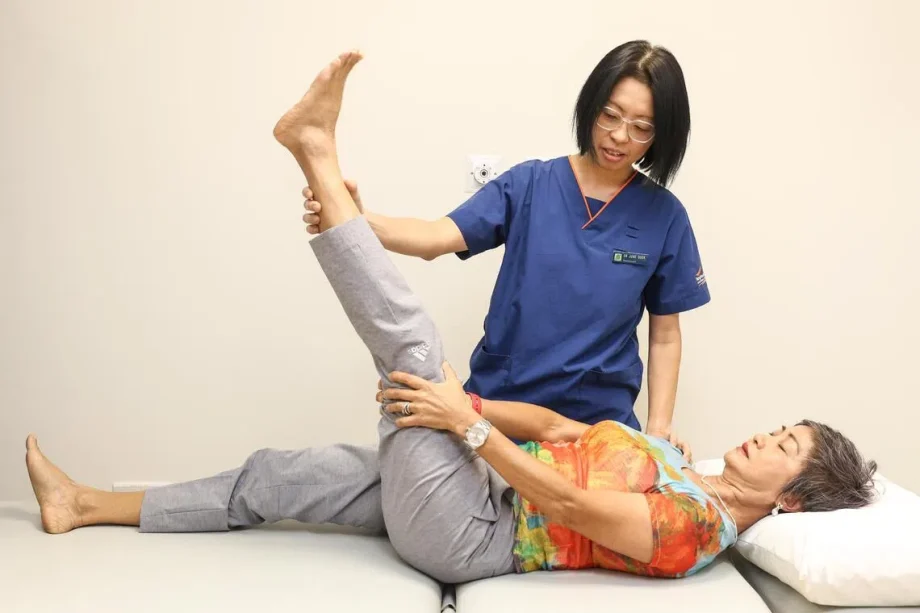
Physiotherapists help patients develop, maintain and restore their ability to move and function, to reduce pain and prevent further injuries, through exercises and other forms of therapy and treatments.
Beyond public healthcare institutions, a growing number of physiotherapists in the private and community care sectors are needed to provide services such as rehabilitation care to restore independence and self-confidence, as well as to reduce future fall risks and to manage weight, given the nation’s shift towards preventative care.
In its reply, MOH confirmed there is no cap or limit on the distribution of physiotherapists working in the public or private sector. It pointed out that the absolute number of those in the public sector increased from 2021 to 2025, by some 44 physiotherapists each year, even as the public sector’s share is trending downwards.
It added that the attrition rate for physiotherapists in the public sector was 10 per cent in 2025, slightly lower than the 12.1 per cent in 2022.
Kwah Li Khim, president of the Singapore Physiotherapy Association – the body representing the physiotherapy profession in Singapore – said the trend of more physiotherapists in the private sector most likely reflects a combination of factors, including growing demand for rehabilitation services in different care settings, individual career preferences and expansion of private healthcare services.
Read Full Article At Source