SINGAPORE – When Ang Beng Hong and his wife began planning the renovation of their new home in February, they did not start with the kitchen or living room.
Instead, they thought about where the morning sun would fall.
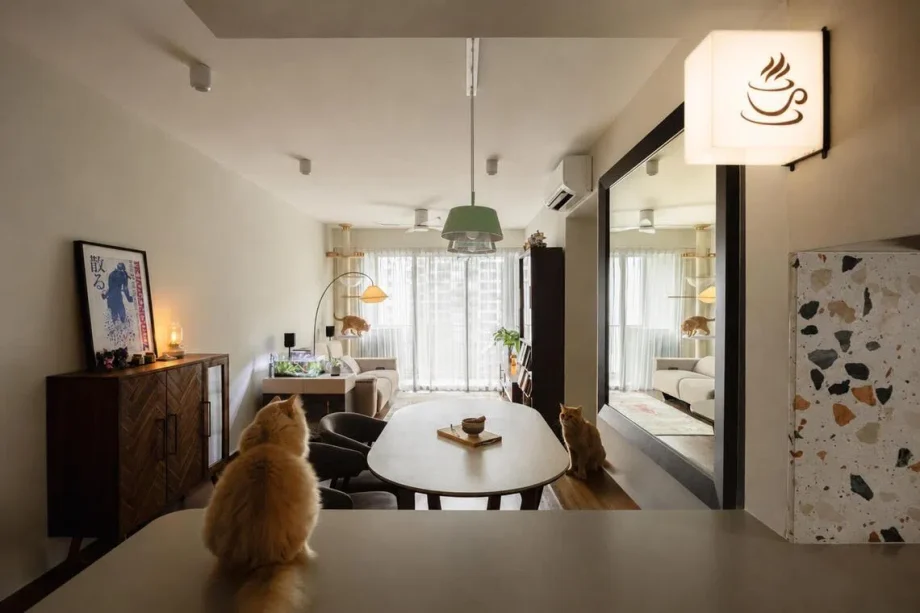
Their two indoor cats – a Maine Coon and a domestic shorthair – love basking in the sunlight, so the couple, who do not have children, made sure there would be window perches for them to lounge on.
Working with interior design firm Homescape, they incorporated climbing routes into custom carpentry, created dedicated storage for cat supplies and chose porcelain tiles over vinyl flooring to better withstand frequent cleaning.
“We wanted our new home to naturally accommodate their behaviour, like tracking territory from a height and sunbathing, without making our living room look like a cluttered pet shop,” said Ang, 32.
His approach reflects a growing shift among pet owners in Singapore. As more households welcome pets and increasingly regard them as members of the family, they are also rethinking how their homes are designed.
Global market research firm Euromonitor International expects Singapore’s pet care market to grow 3.5 per cent year on year to $235 million in 2026, while the pet population is projected to increase from 889,200 in 2025 to 891,500 in 2027.
Rather than simply finding space for a dog bed or buying a cat tree after moving in, more home owners are factoring their pets’ daily routines, natural instincts and long-term well-being into renovation plans from the outset.
Interior designers say requests have evolved beyond pet-friendly finishes to layouts that make homes safer, more functional and more comfortable for both humans and animals.

Climbing routes and resting spaces for cats can be incorporated into custom carpentry.
PHOTO: HOMESCAPE
Common requests include integrated feeding stations, hidden storage for food and toys, cat-climbing shelves, pet-washing areas and durable materials that can withstand scratches and frequent cleaning.
For Homescape, which was founded in 2022, between 20 per cent and 25 per cent of its residential clients now mention their pets during the initial design brief.
Homescape co-founder Lim Kean Woei said catering to pets’ needs does not significantly increase renovation costs, but it changes where the money goes to. Customised pet features can start from $5,000 on top of the renovation, depending on how extensive the integration is.
But designers say the latest wave of pet-centric renovations is about more than creating attractive spaces. Increasingly, home owners are making requests based on how their pets move through a home, where they prefer to rest and whether the layout supports their natural behaviour.
Lim gave an example of how he incorporated an animal’s movements into a home environment. His clients had given up on the idea of a kitchen island, as they were concerned that their dog’s roaming space would be restricted. Homescape proposed a custom island engineered with a hollow pass-through passage at the base.
“This preserved the kitchen’s functionality for the owners while keeping the floor plan completely open, giving the dog an unobstructed traffic route to roam freely,” said Lim.


Read Full Article At Source