Can Samsung’s 2026 foldables get any better? We take stock of Galaxy Z’s evolution

Can Samsung’s 2026 foldables get any better? We take stock of Galaxy Z’s evolution


  1. 1. Throwback Thursday: Unfolding the chapters of Samsung’s foldables tale
  2. 2. First Galaxy Z was the clamshell flip, not the bookstyle foldable
  3. 3. Polishing a foldable diamond in the rough
  4. 4. The other story, as told by HWZ
  5. 5. What’s next for foldables?

Phones with foldable displays (of any style) saw the most exciting and consistent development for Android handsets in recent times. Few breakthroughs has received as much attention, as many dollars, and as much commitment to perfecting a form factor nobody dared to try for a long time. Despite seeing mobiles get 3D displays, modularity, and even audiophile-grade add-ons, none are as as successful or as deeply innovated upon, in and outside of South Korea.

Throwback Thursday: Unfolding the chapters of Samsung’s foldables tale

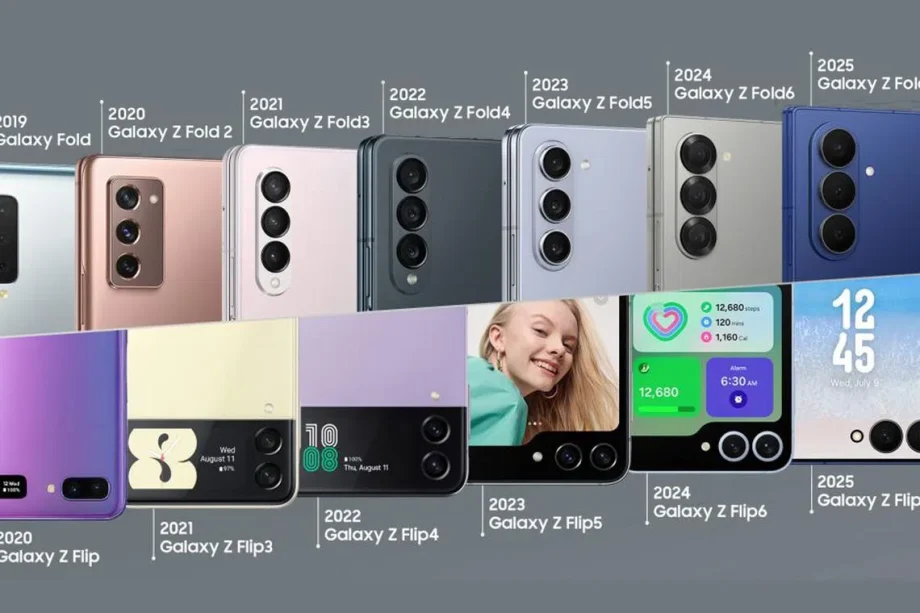
Samsung has kindly uploaded a verbose history of its Galaxy Z lineup (lead image above), starting from its inception in 2019 through its first Galaxy Fold (that sold half a million units), all the way up to its Galaxy Z TriFold that launched late last year. Naturally, Samsung left out the unkind bits, like how the earliest foldables it made had durability issues and a delayed launch, and how the TriFold ceased production just three months after it launched, despite being consistently and repeatedly sold out.

That said, the archive put out by the Koreans still makes for a really good recap, especially since we’re seeing a lot of hubbub around a new foldable form factor likely joining us this year. 

First Galaxy Z was the clamshell flip, not the bookstyle foldable
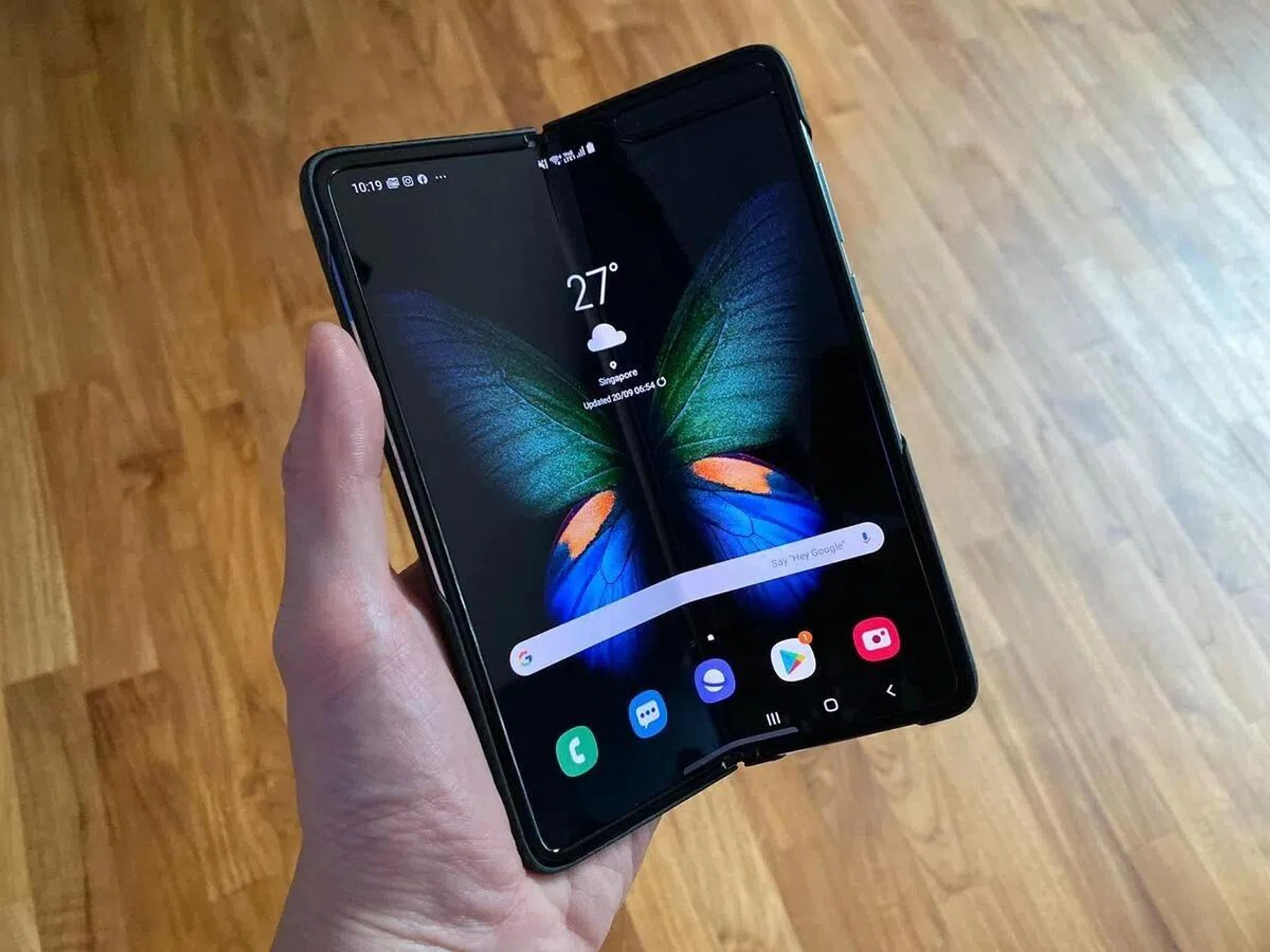
Samsung Galaxy Fold.

Samsung Galaxy Fold.

Photo: HWZ

Of note are the years 2019 and 2020, when Samsung launched its first Galaxy Fold followed by a Galaxy Z Flip that was inspired by non-smart flip phones of yore (when phones still had keypads). Surprisingly, this meant that the clamshell Galaxy Z Flip was actually the first named Galaxy Z series foldable, and not the bookstyle Galaxy Fold. 

It wasn’t until the 2020 Galaxy Z Fold2 where the bookstyle was properly categorised within its lineup, and Samsung decided that’s where its semi-experimental designs will go, even until today. 
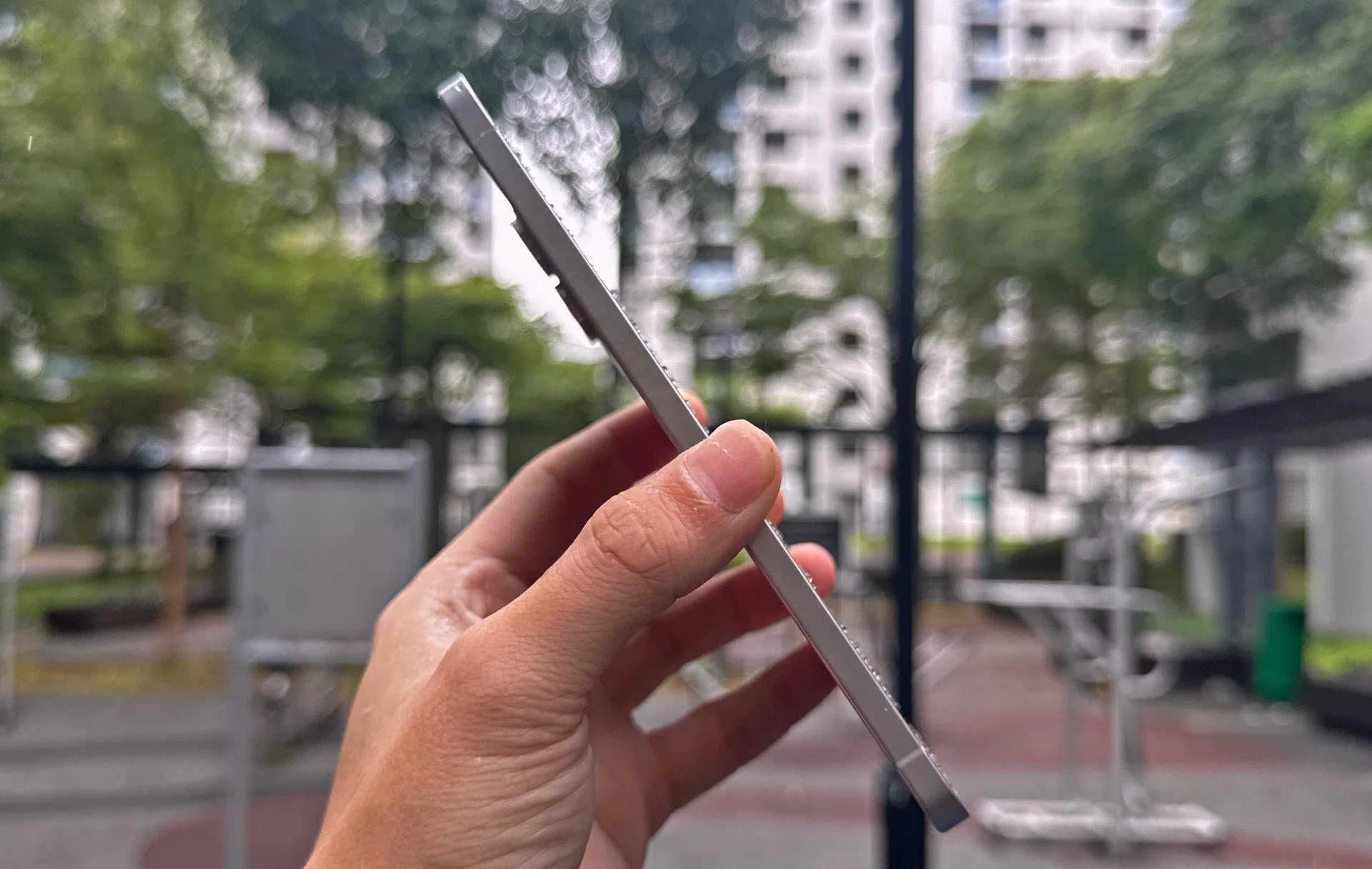
Samsung Galaxy S25 Edge.
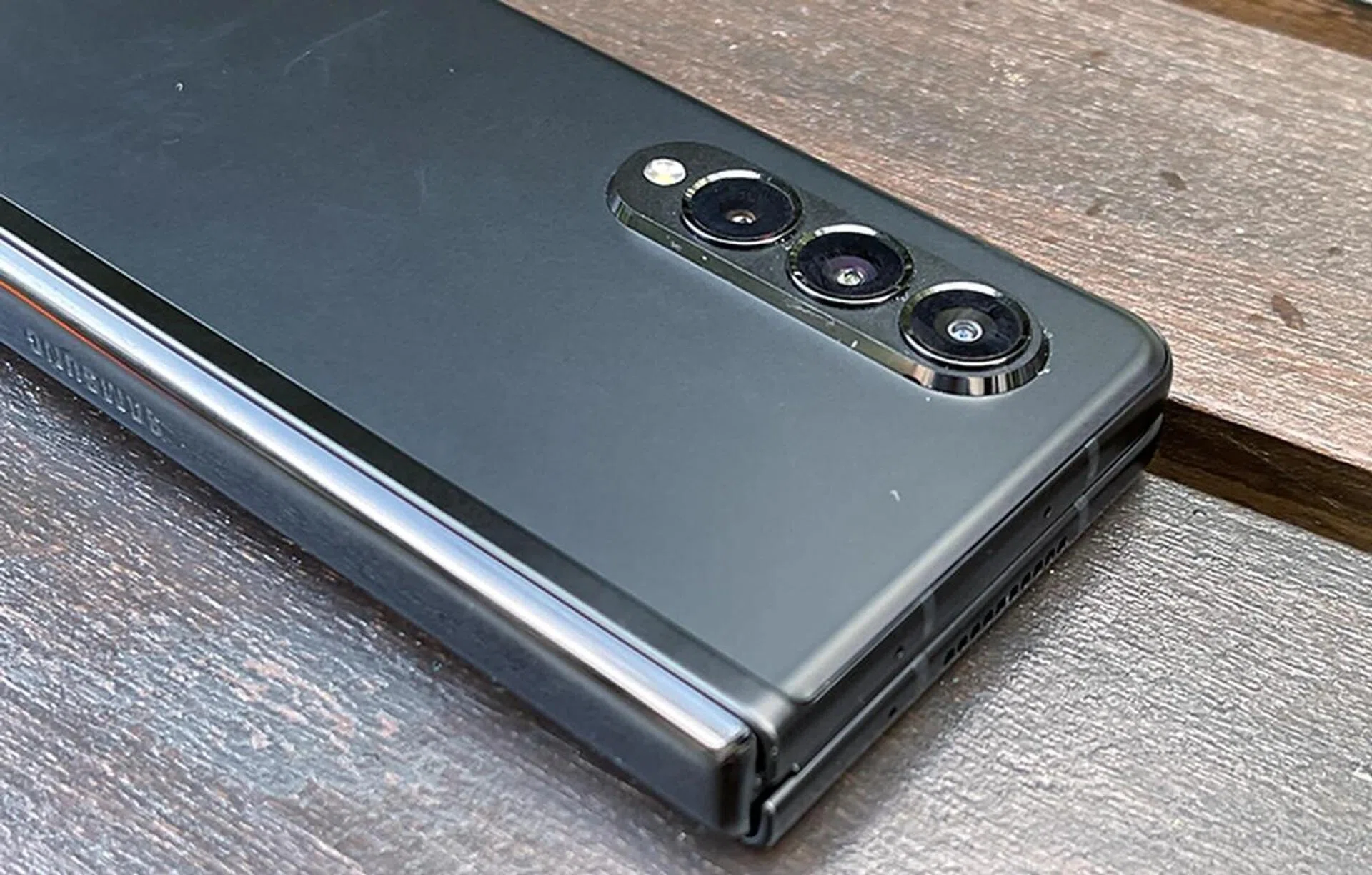
Samsung Galaxy S25 Edge.

For context, Galaxy S (usually launched in H1 of a calendar year, e.g. Samsung Galaxy S26 Ultra) is where Samsung houses its conventionally designed premium handsets. Any iterations of its premium flagship model also gets the same treatment, as seen in the impossibly thin Samsung Galaxy S25 Edge. Galaxy Z was the formal replacement of its highly-celebrated, stylus-friendly Galaxy Note lineup, which ended with the 2020 Samsung Galaxy Note20 Ultra.

Polishing a foldable diamond in the rough

Most users would recall that the foldables went through several years of refinement before arriving at the Galaxy Z Fold7 and Galaxy Z Flip7, laced with Galaxy AI. While it was up against more aggressive Android phone designers from China, Samsung played catch up as the form factor eventually became an accepted mobile alternative to conventional bar-types, with each generation improving at least one hardware drawback or optimising its software to take advantage of its folding form factor.

Samsung Galaxy Z Fold3

Samsung Galaxy Z Fold3.

Photo: HWZ

Of note is the Galaxy Z Fold3, which saw a significant price reduction (~S$500) as it sought to break into the mainstream market and introduced its Labs sub-feature for experimental features not available on conventional bar-type devices. 

Samsung Galaxy Z Fold7.

Samsung Galaxy Z Fold7, HWZ’s Editor’s Choice.

Photo: HWZ

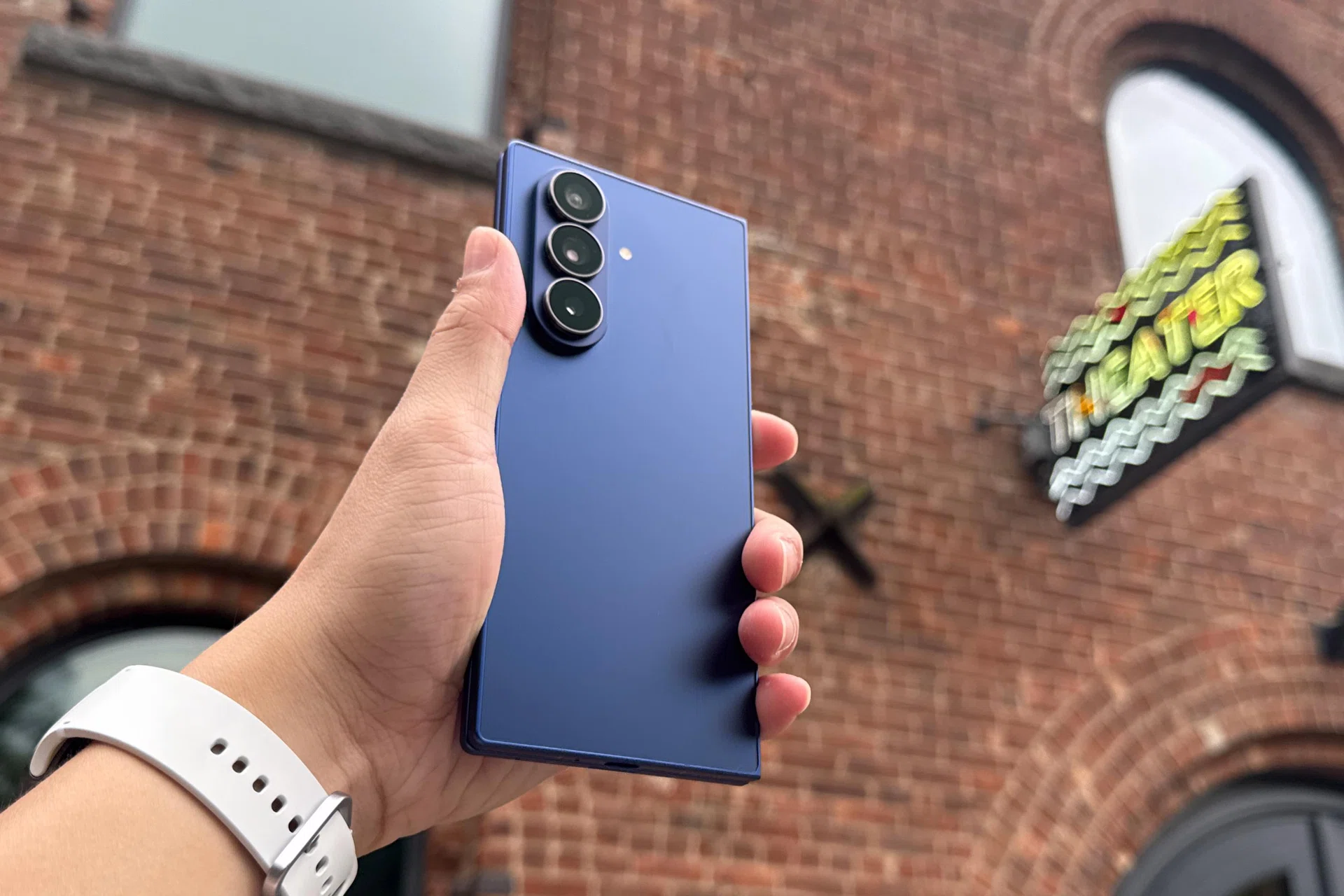
But it wasn’t until the 12.1mm-thin Galaxy Z Fold6 that Samsung finally figured out how to go below 15mm when folded, only to be superseded by the award-winning Galaxy Z Fold7 at 8.9mm (folded)  — finally on par with a Pro Max or Ultra smartphone and vastly improving its appeal through an updated, modern design.

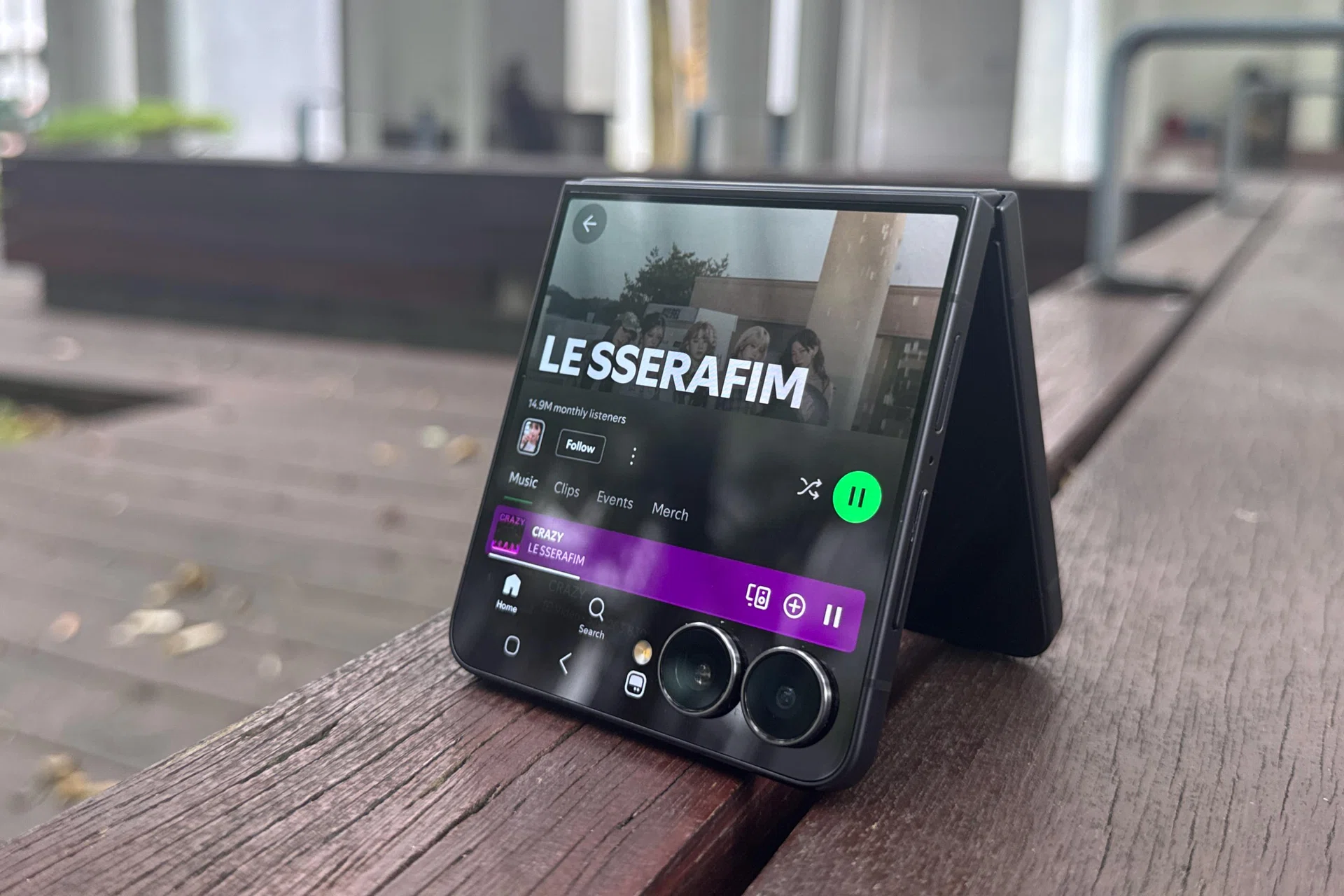
The Flip series embarked on a different path, prioritising function over form after a successful run, appealing to the fashion-conscious who want the best technology alongside style. Beyond reducing its footprint for added chic points, it expanded its secondary display (FlexWindow) massively through the Galaxy Z Flip5, and introduced Auto Zoom on the Galaxy Z Flip6 and gave its FlexCam something that the bookstyle brethren could not do. 

The 2025 variant saw a curious detour. While the Koreans did improve their design and battery life via the Galaxy Z Flip7, they also decided that the market was due for an affordable alternative in the form of the Galaxy Z Flip7 FE. We believe its next launch will tell us whether it was in vain, since vain users who aren’t willing to compromise on performance or style would happily pay for a top-end Flip phone.

The other story, as told by HWZ

Samsung Galaxy Z Flip7.

Samsung Galaxy Z Flip7.

Photo: HWZ

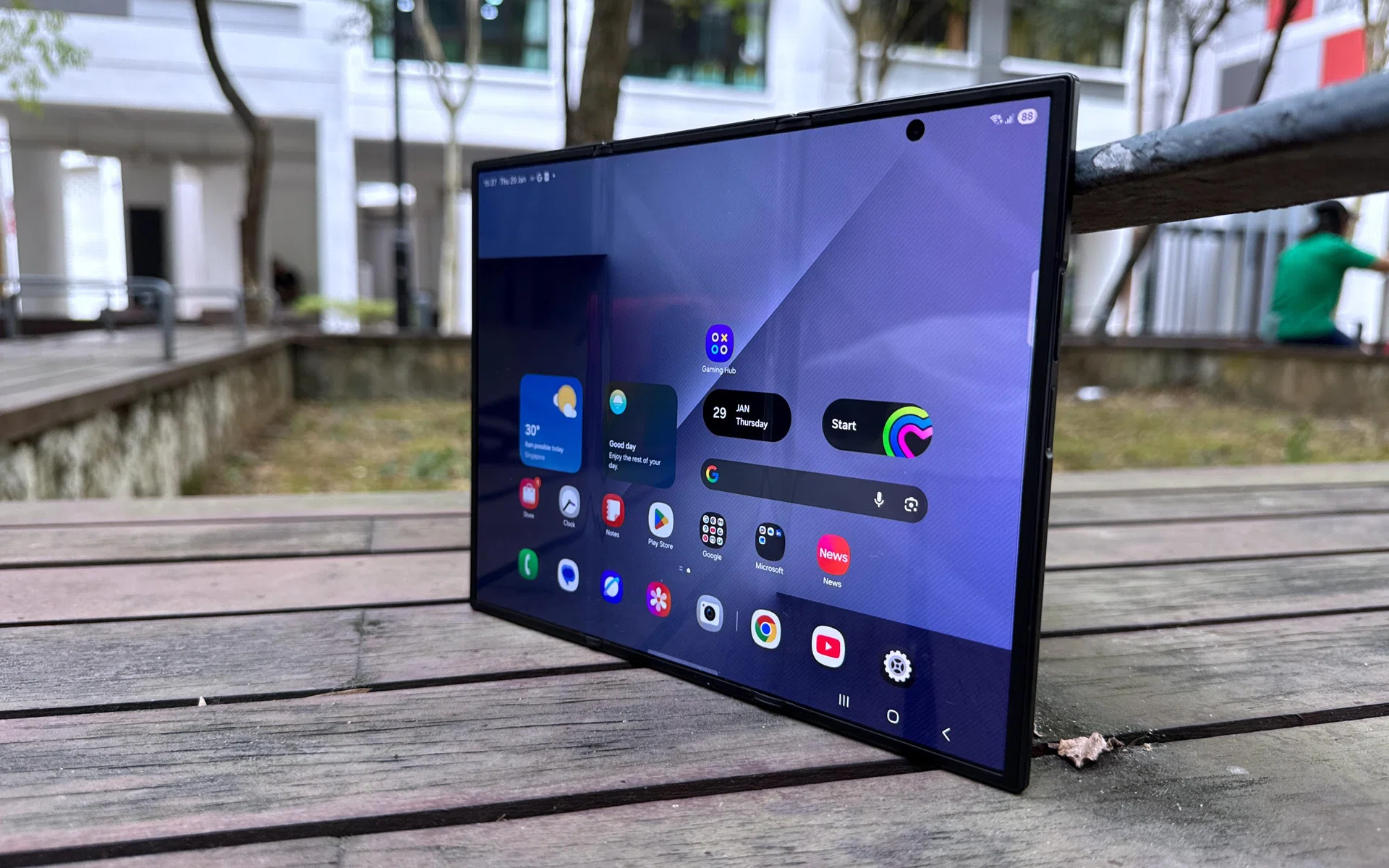
Samsung’s romanticised recounting of its own evolution left out one important detail that its users are still waiting for today: there’s no mention of the foldable display crease, which other brands are actively working to eliminate. That said, modern foldables have less visible creasing once content is live on your handset, so we partly understand Samsung’s lack of urgency to remove this sticking point, especially if there are bigger sticks in the mud to remove for foldables.

Samsung Galaxy Z TriFold

Samsung Galaxy Z TriFold.

Photo: HWZ

All this culminated in a very popular Galaxy Z TriFold that surfaced in late 2025, which Samsung itself cited HardwareZone about its scarce availability and unprecedented demand, despite being nearly as expensive as a mid-range gaming PC or a professional laptop. A tri-folding phone running a secure operating system that plays nicely with daily essential apps was reason enough for its users to explore a form factor new to Samsung. 

Granted, the company put a lot of pressure on itself by name-dropping the device on an earnings call, which also revealed some design weaknesses in the final product despite the high ratings it earned.

What’s next for foldables?

The online rumour mill has been aflame with whispers of a three-foldable launch, but the third is not a tri-fold. Samsung may be pursuing a new passport form factor, and it’s also said that it won’t be seeing a limited release like the tri-fold did. Only time (and customers) will tell whether this is the right strategy for Samsung to reach its promised land of a foldable future.


Read Full Article At Source

Share. Save. Don't Miss The Buzz: XFacebookRedditLINETelegramWhatsAppGmail