SINGAPORE: D. Pannerchelvam cannot read a clock. He struggles to tell the value of different dollar bills and knows little about his two adult sons’ jobs.
Yet every night, the 67-year-old carefully packs his younger son’s work bag. “Socks, T-shirt,” he said when asked what he places inside.
“Morning, say bye-bye,” as he describes their daily routine.
His face lights up as he recalls the names of his two grandchildren from his elder son.
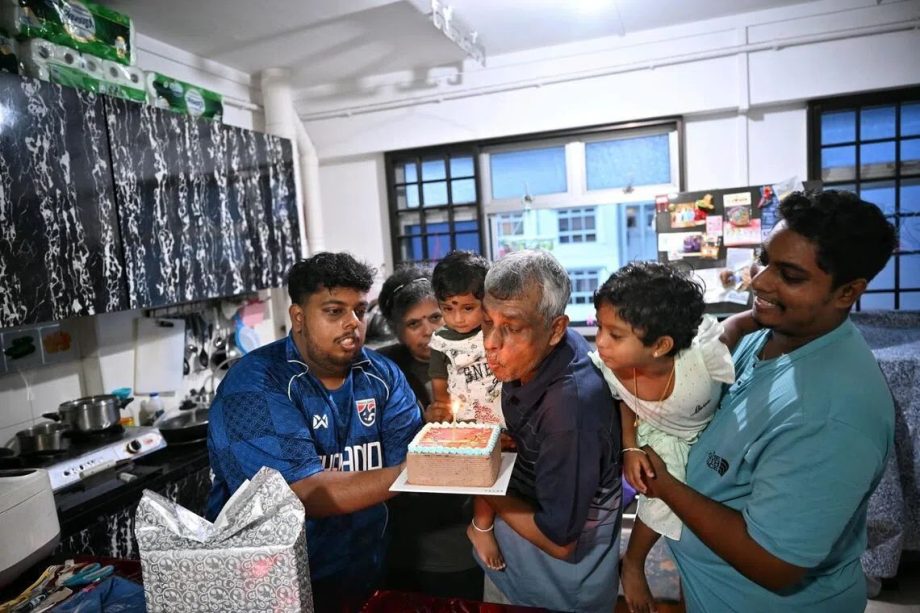
For most of their lives, brothers Shanger Pannerchelvam, 29, and Karthigeyan Pannerchelvam, 27, have occupied an unusual role: not only as sons, but also protectors of a father with mild intellectual disability.
“I don’t want anyone to look down on Dad,” said Karthigeyan repeatedly in an interview with The Straits Times ahead of Father’s Day on June 21.
People with intellectual disability may face challenges in understanding information, communication and daily living tasks. Those with mild impairment, like Pannerchelvam, have an IQ score of between 55 and 69.
There are around 8,640 people with intellectual disability in Singapore aged 19 or older who are known to the Government, according to the Ministry of Social and Family Development’s 2024 disability trends report. About 3 per cent of them are at least 65.
But this medical term did not cross his family’s minds at first.
Growing up, his father just seemed like a slow learner, said Karthigeyan, who noticed that he could not tell the time or answer some questions directly.
At shops, his father would hold on tightly to his favourite $2 bills and was unable to calculate the correct change.
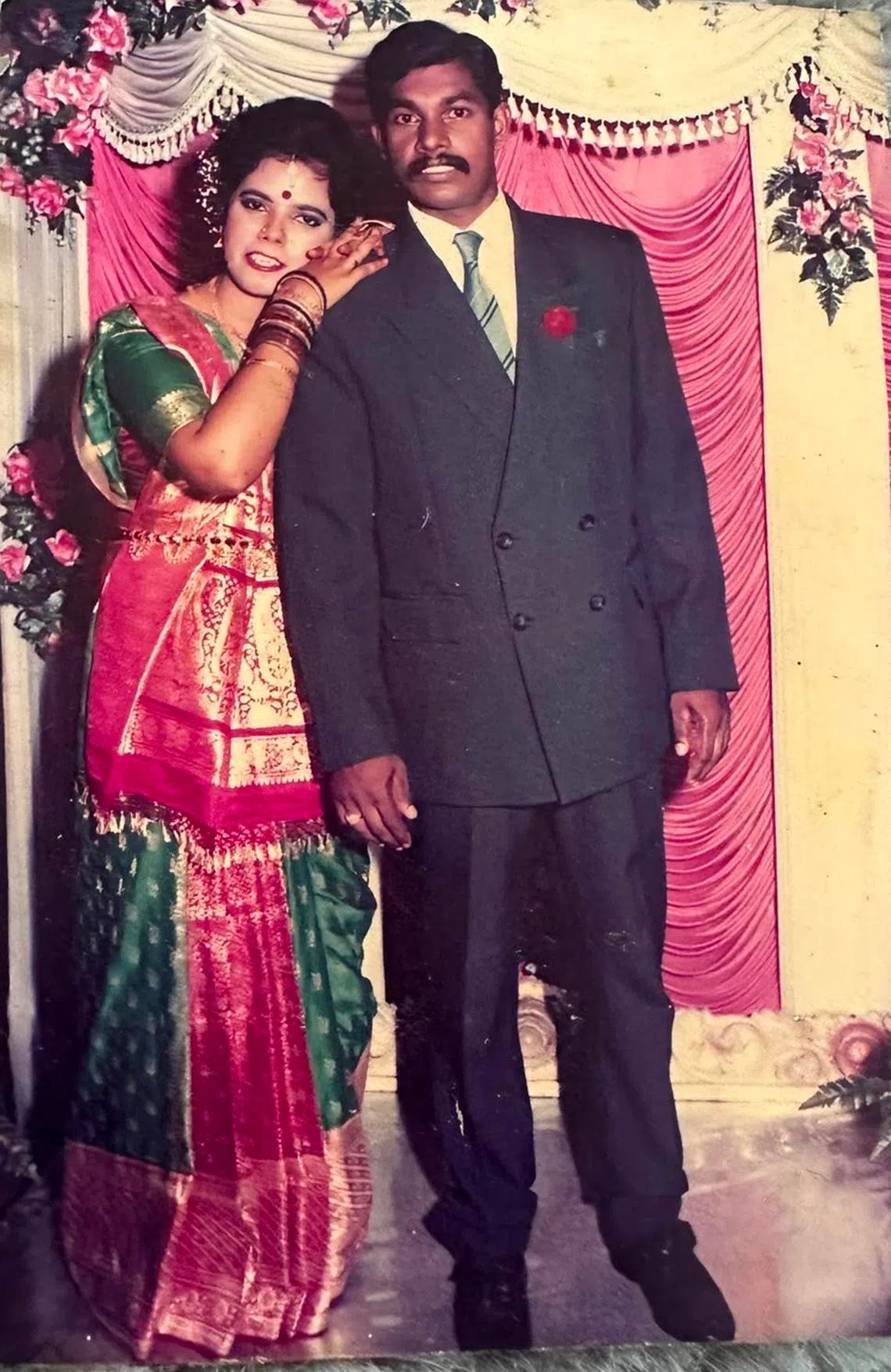
Their parents were match-made and got married in 1992. No one told their mother, Pusppa Nadeson, 59, about her groom’s condition.
Pusppa Nadeson and D. Pannerchelvam were match-made and got married in 1992.
Still, Pusppa liked him. She rattled off a list of her husband’s good qualities: He didn’t smoke or drink, was hardworking, kept the house clean and had a good temper.
Their first son, Shanger, was born in 1997, and Karthigeyan followed a year later. At first, her husband did not understand that they were having children, said Pusppa.
But he slowly realised he was a father and grew into the role.
Working as a cleaner at a fast-food restaurant, he took an active part in raising the boys. He fed them, changed their diapers and checked in on them when he came home.
“He wouldn’t take dinner first (after work), and would ask, ‘Baby drank milk already?’” said Pusppa.

Read Full Article At Source