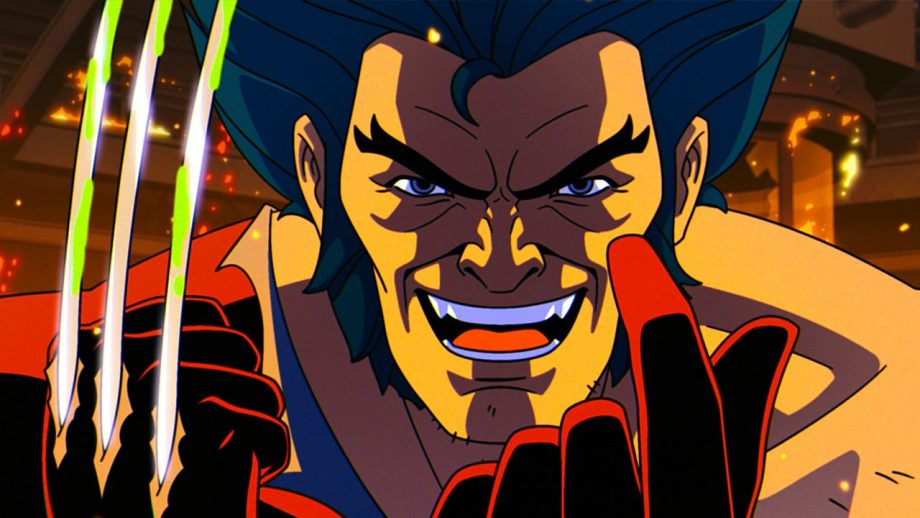
This is a spoiler-free review of the first four episodes of X-Men ‘97 Season 2. The series premieres on Disney+ on July 1.
Sometimes, it doesn’t necessarily pay to put popular franchises in the hands of devoted super-fans. Look at Star Wars, for example. No one would accuse Tony Gilroy of being the world’s biggest Star Wars nerd, yet Andor is arguably the best thing to come out of that property in the Disney era. But with a project like X-Men ‘97, the rules are a little different. This is a series fundamentally built on nostalgia. The writers and animators are clearly deep, deep fans of the original X-Men: The Animated Series and the comics that inspired it. The result has been and continues to be a show that reveres the past even while being unafraid to chart a bold new future.
Without burying the lede here, X-Men ‘97 Season 2 is exactly what fans of Season 1 have been waiting for. The several-year gap between seasons may have been painfully long, but the series doesn’t suffer one bit because of it. These first four episodes build nicely off the fallout of Season 1 and quickly establish an even darker and more foreboding status quo for this animated Marvel Universe.
Season 2 is divided along three parallel points in time, all linked by a connection to the tyrannical villain Apocalypse (voiced in different eras by Ross Marquand and Adetokumboh M’Cormack). Half of the X-Men have been dragged into the future, where Apocalypse reigns over mankind and the nomadic Clan Askani is the only resistance left. The other half find themselves in Ancient Egypt, a time when Apocalypse is still a young mutant waging war on Rama-Tut (John de Lancie). As those twin conflicts play out, it falls on a haphazard band of mutant heroes like Bishop (Isaac Robinson-Smith), Forge (Gil Birmingham), Jubilee (Holly Chou), and Cable (Chris Potter) to fill the void left by the missing X-Men and continue the fight for human/mutant coexistence in the present.
These first four episodes juggle those conflicts with grace. It helps that the writers don’t attempt to keep all these plates spinning simultaneously, but rather break each storyline into its own dedicated episode (or episodes). This gives each group of characters room to breathe while still maintaining a brisk overall sense of pacing and progression. Unlike Season 1, it’s clear from the outset what the overarching conflict is and who the main villain is this time, and Season 2 is quick to build on that foundation.
Read Full Article At Source