Switchboard is Polygon’s weekly newsletter for all things Nintendo, sent on Thursdays and published on the site on Saturdays. You can subscribe here.
It’s Summer Game Fest week, which for a lucky few in the games media means a chance to travel to LA and play some new video games. For most of us, though, it means livestreams, endless livestreams, and trailer after trailer after trailer. It means sitting in front of your computer and passively absorbing information for long stretches of time. I’m being mean; it can still be pretty exciting. But it has gotten very samey. And there’s so much of it!
The death of E3 has resulted in a great homogenization of video game marketing. What was once concentrated into one week of in-person theatricality and spectacle (and, admittedly, a lot of trailers) has now been atomized into a year-round parade of endless showcases. Some are more important than others (like The Game Awards in December, or Xbox’s June showcase), but most share the same format and pacing. And I hate to say it, but it’s all Nintendo’s fault.
It was beloved Nintendo president Satoru Iwata who decided to try a different way of marketing games directly to fans. In October 2011, the company aired its first Nintendo Direct. It was similar in format to an E3 press conference, but in prerecorded video form, and a bit less excitable. This one just showed off a few 3DS and Wii games. Soon Nintendo was pumping them out on an almost monthly basis, and in a variety of formats, some with a narrow focus on just one release, some encompassing broad swathes of games from Nintendo and its partners.
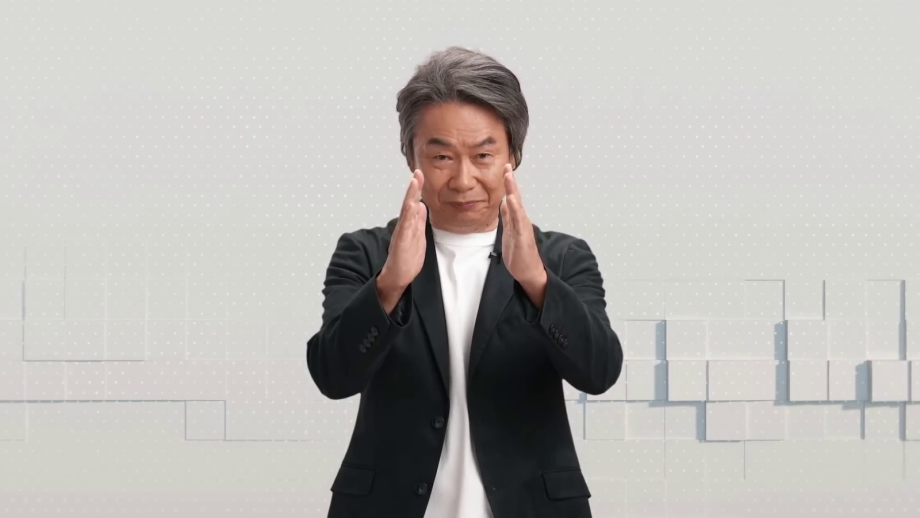
The Nintendo Direct tone quickly settled on a sort of minimalist, buttoned-up quirkiness, with suited executives making mannered gestures in front of plain white backgrounds, often speaking Japanese with an overdubbed translation. This strange, sober presentation oddly worked to emphasize Nintendo’s playful spirit. Rivals copied the format, but nobody else got the joke, and they stood their talking heads in front of glossy digital backdrops or in snazzy recording studios.


Read Full Article At Source