SINGAPORE – The National Parks Board (NParks) is investigating the unauthorised clearing of native saplings and shrubs that had been planted in the Central Catchment Nature Reserve under Singapore’s flagship greening programme OneMillionTrees.
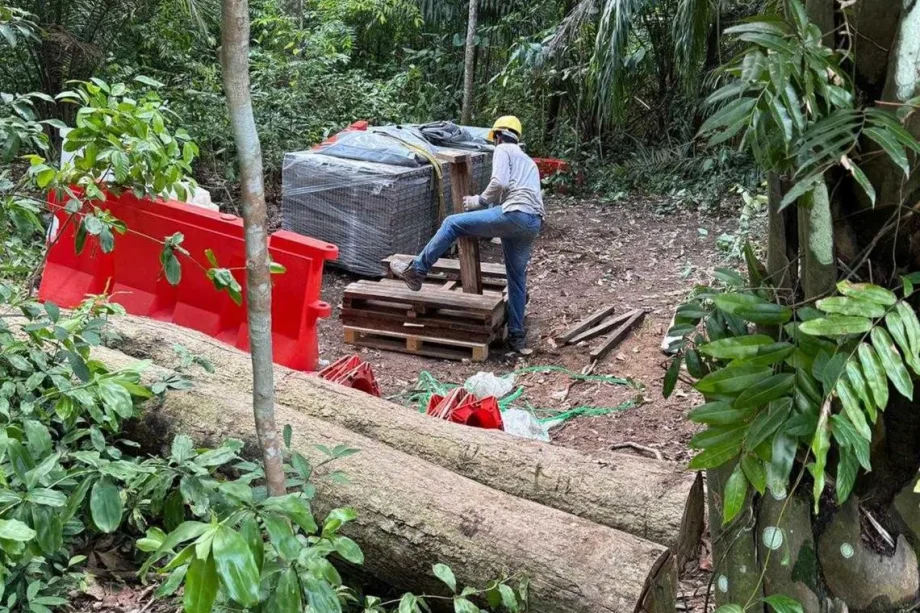
Responding to queries from The Straits Times, NParks’ group director for conservation Lim Liang Jim said an NParks staff member inspecting Lower Peirce Reservoir Park on the morning of June 2 discovered that about half of the original tree planting site had been cleared by a contractor for the temporary storage of materials without approval.
“NParks had earlier communicated to the contractor’s site supervisor on a few occasions that the area was not suitable for their storage space and had advised them to use an alternative location,” he said.
“However, the contractor went against NParks’ direction and proceeded to clear the area on May 29 without informing NParks.”
Lim said NParks had immediately instructed the constructor to stop its work and remove the items from the affected area, which measures about 40 sq m, or about half the size of a badminton court.
The board will not hesitate to take action against errant parties, he added. Those who cut, collect or displace any tree or plant in a national park or nature reserve without approval can be fined up to $50,000, jailed for a maximum of six months, or both.
Launched in 2020, the OneMillionTrees movement aims to restore nature across the island by planting a million trees over ten years.
The unauthorised clearing off Old Upper Thomson Road has sparked outrage among members of the local nature community.
News of what had happened was highlighted on June 2 by a member of the public, who posted photos on social media and informed the Raffles’ Banded Langur Working Group, an alliance of conservation organisations, universities, and agencies dedicated to protecting the shy, tree-dwelling monkey.
In collaboration with NParks, the group had planted 87 native shrubs and saplings at the site in January 2025. Two of the planted species were chosen to supply food for the critically endangered monkeys native to Singapore and southern peninsular Malaysia.

Read Full Article At Source