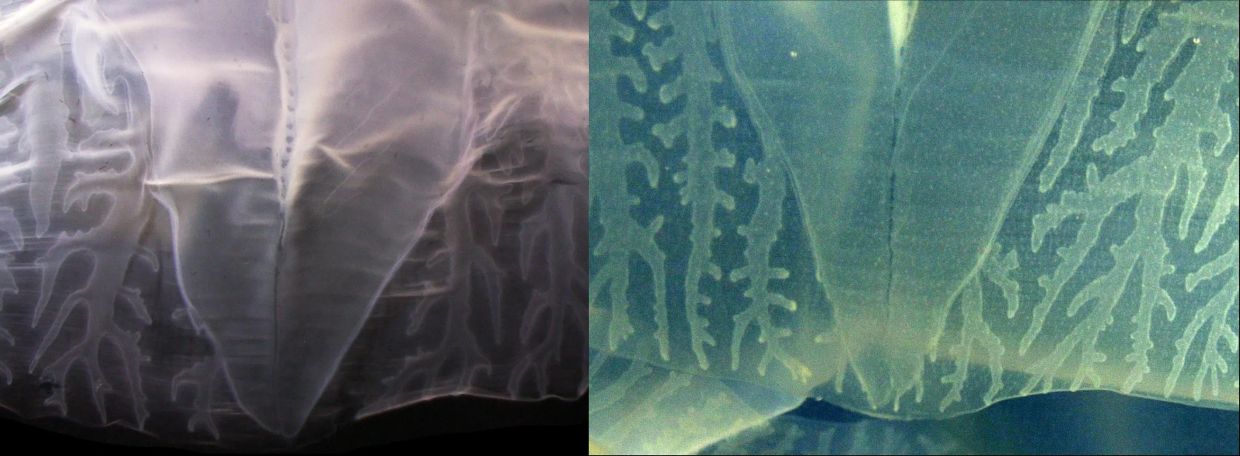
SINGAPORE: Researchers from Singapore and Japan have discovered a new species of box jellyfish near Sentosa, and have advised beachgoers to take precautions.
This is the first discovery of a jellyfish of the Chironex genus since 2017, adding to one of the world’s most venomous animal groups.
The researchers from Tohoku University and the National University of Singapore’s Lee Kong Chian Natural History Museum and Tropical Marine Institute have named this new species Chironex blakangmati, after Sentosa’s original name: Pulau Blakang Mati, or Island of Death Behind.
It is the fourth known species of box jellyfish in the Chironex genus in the world.
The precise population of this new species of venomous jellyfish in Singapore’s waters remains unknown. So far, confirmed sightings have been both rare and sporadic.
The researchers advised beachgoers to take precautions while swimming in the ocean, such as by wearing covered swimsuits and using a high-visibility buoy if away from shore.
The research project received funding from the Tohoku University & Japan Agency for Marine-Earth Science and Technology (JAMSTEC) Advanced Institute for Marine Ecosystem Change (WPI-AIMEC) and the Sasakawa Peace Foundation’s Ocean Shot Project.
Named after their cube-like bell, box jellyfish are a carnivorous species considered highly advanced among jellyfish. Unlike other jellyfish, they are able to swim, rather than simply floating on the current. They have also developed the ability to see, allowing them to target prey more effectively.
Being transparent, box jellyfish are also extremely difficult to spot, which in combination with their highly venomous tentacles makes them a dangerous swimming partner. The Chironex genus is particularly dangerous, earning the nickname of ‘sea wasps’, with venom so strong that their sting can be fatal to humans.
Read Full Article At Source