SINGAPORE – With technology accelerating radicalisation, the Religious Rehabilitation Group (RRG) is building capabilities to understand how artificial intelligence and digital platforms affect individuals.
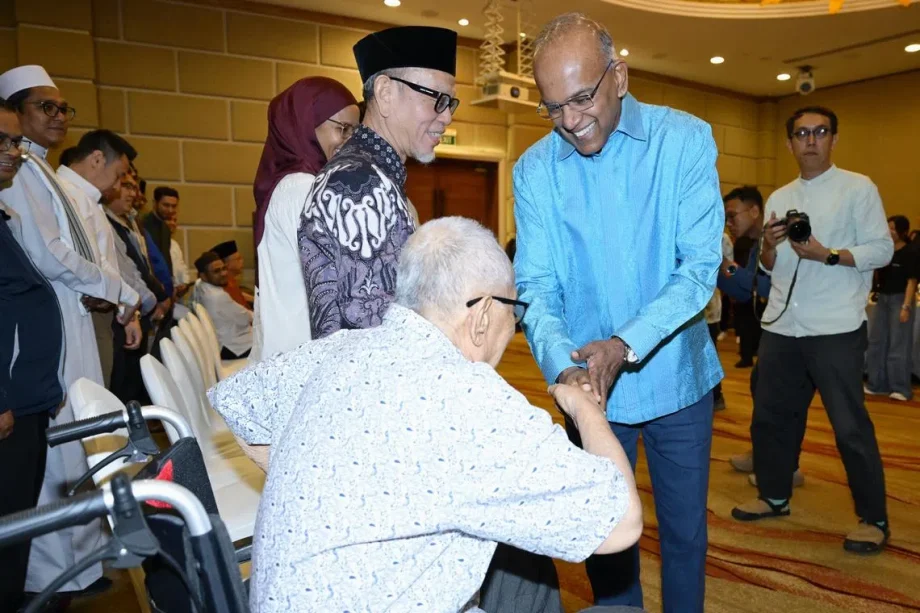
The voluntary organisation is studying the links between online behaviour and offline conduct, said Coordinating Minister for National Security K. Shanmugam on June 2 at the RRG’s annual retreat at Shangri-La Rasa Sentosa.
Shanmugam said the nature of threats has changed significantly since RRG was set up in the early 2000s, when its focus was on counselling detainees from Jemaah Islamiyah, the South-east Asian affiliate of Islamist militant organisation Al-Qaeda.
“Digital platforms have increased interactivity – the algorithms feed you. If you look at certain things, the algorithms keep feeding you more of the same stuff,” he said.
“Extremist content is now very directed. It’s very personalised, it’s very engaging, and it’s available (and) plentiful. So, it has accelerated the speed at which radicalisation happens.”
Shanmugam, who is also Home Affairs Minister, noted that the average time taken for an individual to be radicalised has decreased from two years to one, with some getting influenced in a matter of days.
“Now with artificial intelligence, these risks are increasing even more,” he added.
He highlighted two recent cases, including that of a 17-year-old youth who was detained in 2024, just a few weeks before he could carry out a knife attack against non-Muslims in Tampines.
He was issued a two-year order of detention.
Investigations showed he had used AI to prepare his attack manifesto and to generate a pledge of allegiance to militant group ISIS.
Read Full Article At Source