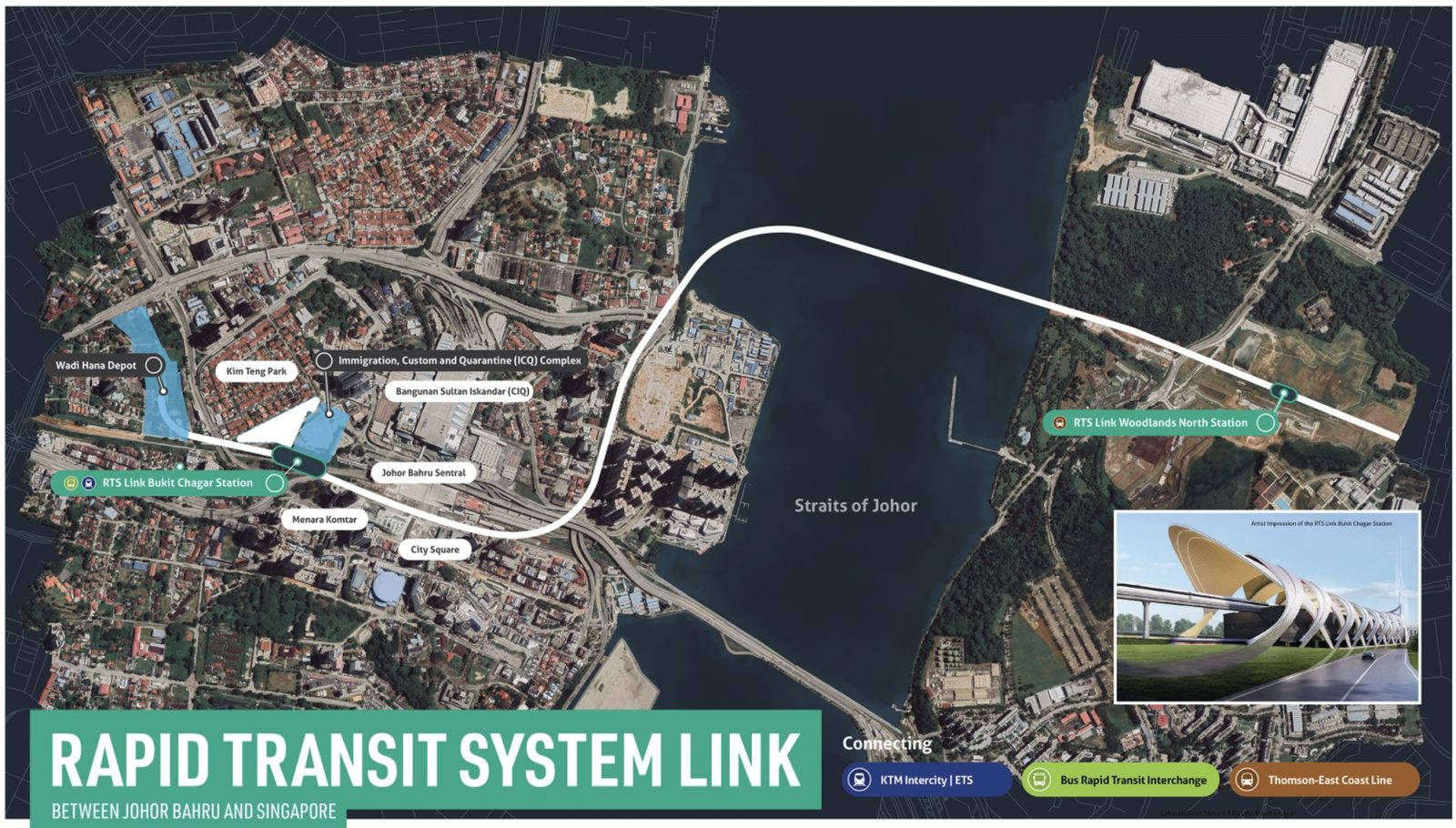
If things go according to plan, 40,000 commuters will be taking the Johor Bahru-Singapore Rapid Transit System (RTS) on a daily basis when the 4km cross-border service launches in January 2027.
Malaysian and Singaporean authorities estimate that ridership will progressively increase as operations stabilise, with a maximum capacity of 140,000 Singaporeans and Johoreans commuting on the RTS line on a daily basis this time next year.
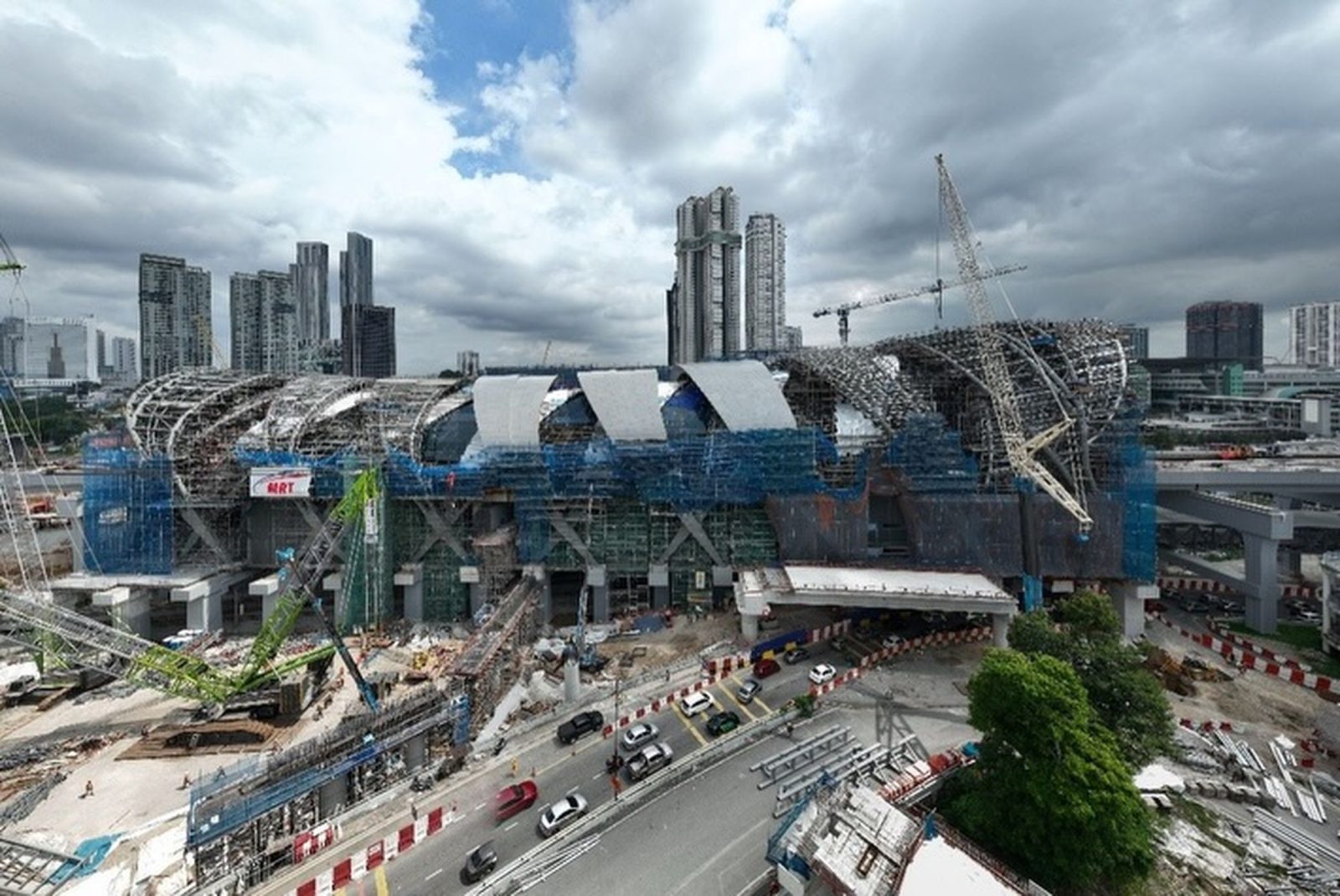
Recently, I had the chance to speak to a leading Bursa-listed Malaysian property developer, to find out how they intend to capitalise on the expected increase in buying interest for residential properties around the Bukit Chagar RTS station – the terminus on the JB side.
While this developer says that they are on the look-out for redevelopment opportunities in the vicinity, this was tempered with some caution given the degree of uncertainty regarding the dispersal plan around Bukit Chagar.
This conversation took place before news broke that Malaysia’s cabinet approved a RM10 billion budget for an Elevated Autonomous Rapid Transit (e-ART) project to alleviate traffic congestion in JB.
This is a hybrid transit system that combines a bus network with a new light rail transit, the planned 30km route would span three main corridors- Skudai, Tebrau, and Iskandar Puteri. It would also integrate directly with the Bukit Chagar RTS station, and is expected to be Johor’s last-mile RTS connectivity plan.
There is growing pressure to ensure that JB and the surrounding areas are prepared to deal with the expected influx in traffic volumes from 2027 onwards. The electric train service (ETS) between Kuala Lumpur and Johor Bahru has been operational since December 2025, and the RTS will be operational in January 2027.
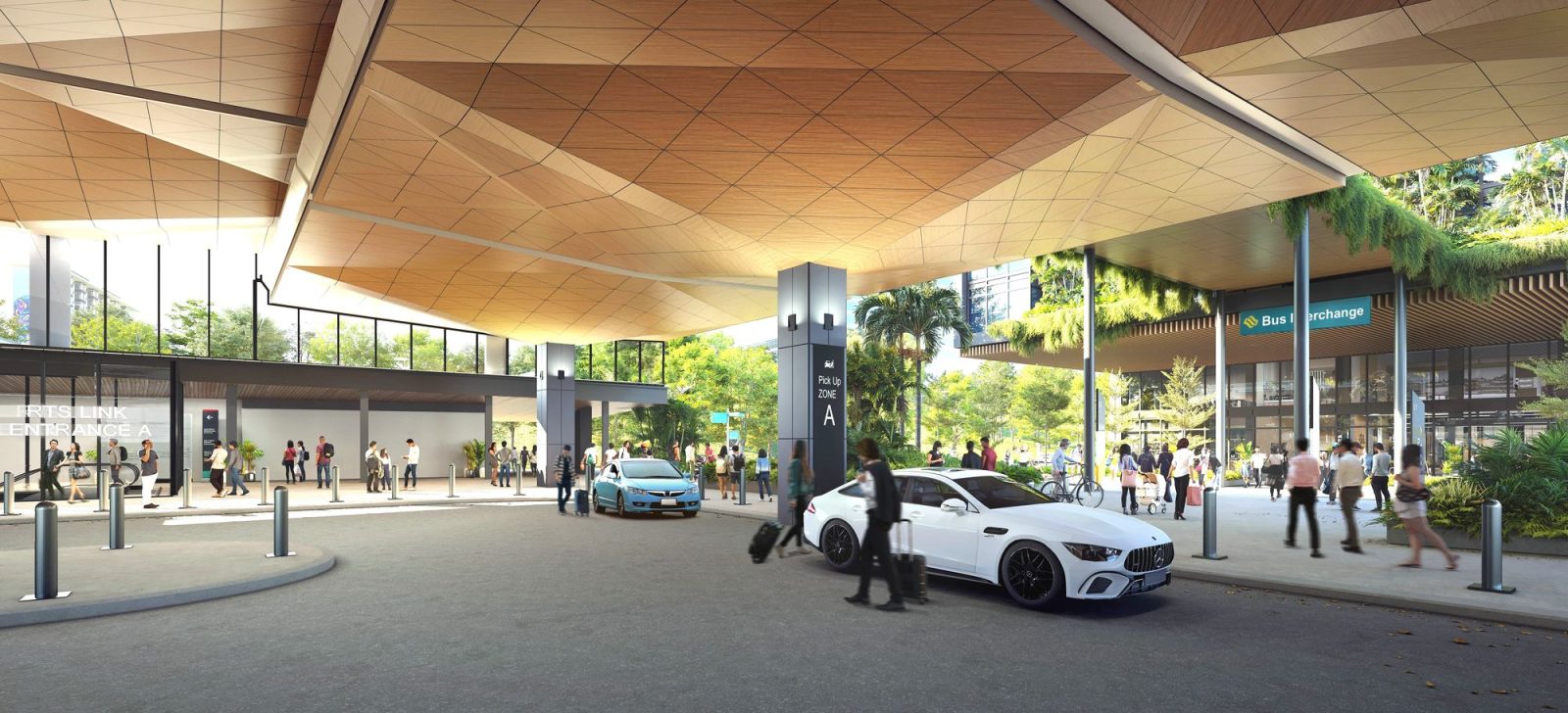
Over on the Singapore side, the Woodlands North RTS station will be directly linked to Woodlands North MRT station on the Thomson-East Coast Line. This is part of a multi-model transport hub at Woodlands North.
Passengers heading to Malaysia will clear both Malaysia and Singapore customs at the adjacent Customs, Immigration, and Quarantine (CIQ) building, before entering the RTS station. Passengers from Malaysia would have already cleared customs checks at Bukit Chagar, and can directly exit Woodlands North once they alight from the train.
The volume of traffic crossing the border, especially the Johor-bound vehicular floor, will be increased as cross-border taxi services pick up. Licensed Singapore- and Malaysia-registered taxis have been allowed to let passengers alight anywhere in Singapore and some areas in Johor when they cross the border, according to new regulatory changes implemented in May 4. There are 200 taxis that are eligible, and this will gradually increase to 500.
Samuel Tan, founder and CEO of Malaysian real estate consultancy Olive Tree Property Consultants, says that land prices near Bukit Chagar RTS station have surged, with the budget-approved e-ART project expected to shift investment and development interest from speculative growth towards more concrete development focus.
He adds that when Singapore’s Vehicle Entry Permit fee increases in 2027 – from $35 per day to $50 for cars, and from $4 per day to $7 for motorcycles – this will push more regular commuters to switch to the RTS.
This should significantly elevate ongoing congestion on the Causeway, but the increase in commuters arriving at, and around, the new Bukit Chagar RTS station in JB will intensify the spotlight on the Johor government’s dispersal plan around the station.
Read Full Article At Source