WHAT THIS MEANS FOR JOBS
At FoodPlant, Ms Chong has observed that food companies often develop and refine products in Singapore before assessing how and where to scale. This positions the country as an innovation and capability hub that is especially important at the pilot stage, even as manufacturing becomes more regionally distributed.
What this means for jobs is that higher-value functions – product development, process design and regional management – are likely to stay in Singapore, she said.
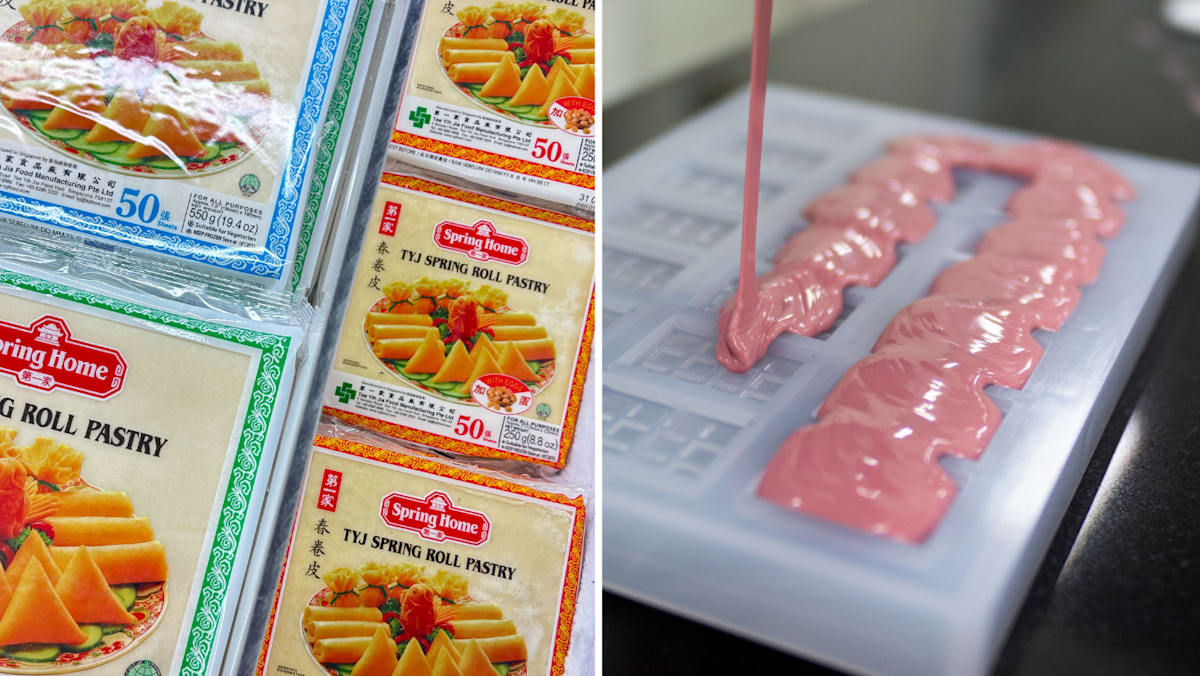
Barry Callebaut’s global innovation centre, for instance, will host more than 30 specialised roles including AI engineers, with plans to double that number. Developing products suited to Asia’s climate and consumer preferences – such as chocolate that does not melt as easily in tropical heat – is among its priorities.
EnterpriseSG’s Ms Tay pointed to other examples. Kwong Cheong Thye, which has been brewing soy sauce in Singapore for over 130 years, trained two production workers as data control specialists to monitor production data and optimise manufacturing processes. Dim sum maker Lim Kee Food Manufacturing, which makes all its products in Singapore, has trained 11 employees for higher-skilled roles such as in quality assurance to support R&D.
As the firm digitalises, it is shifting from “passive manual” tasks to “reactive real-time” work, said business services head Ang Shu Min.
Customer service jobs have been redesigned as data analytics jobs to clean and push data to relevant departments for better real-time operational planning, for example.